
Last updated November 2, 2026
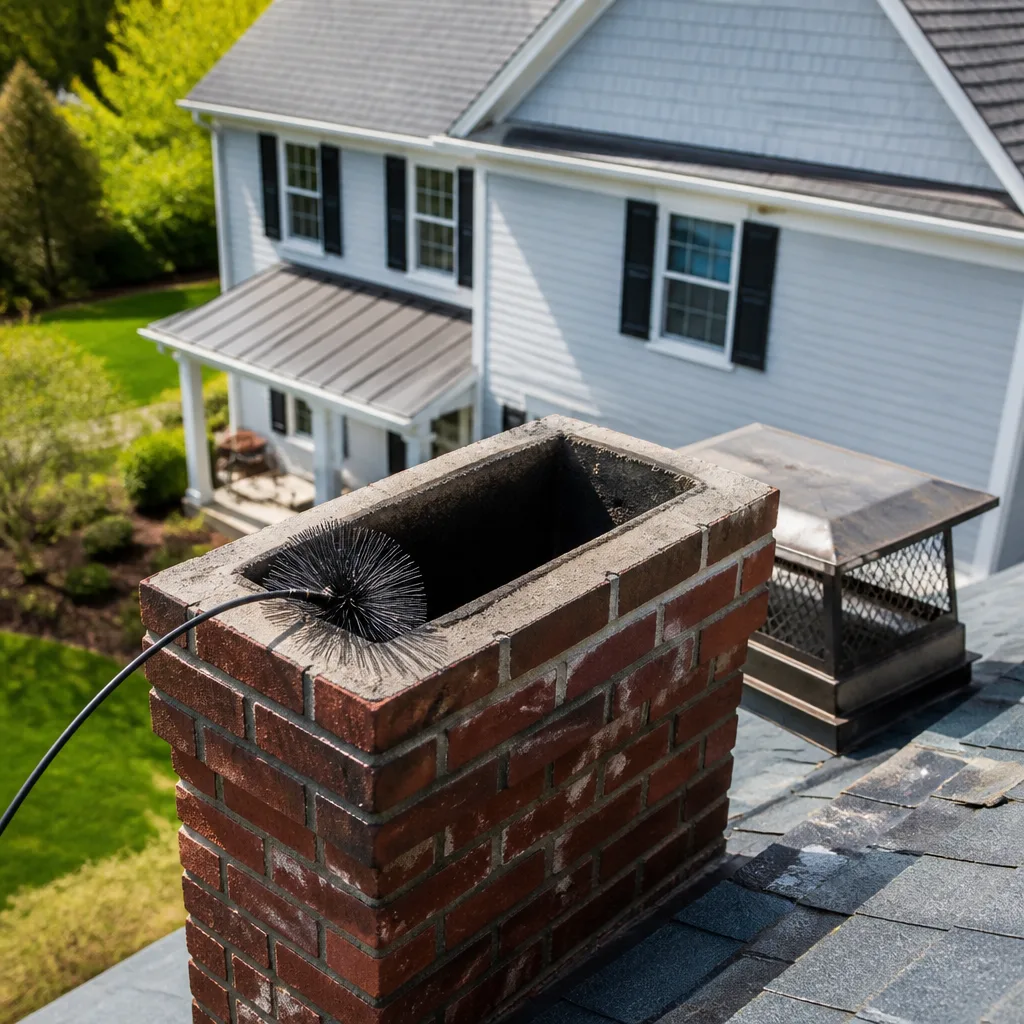 Sweep & inspection
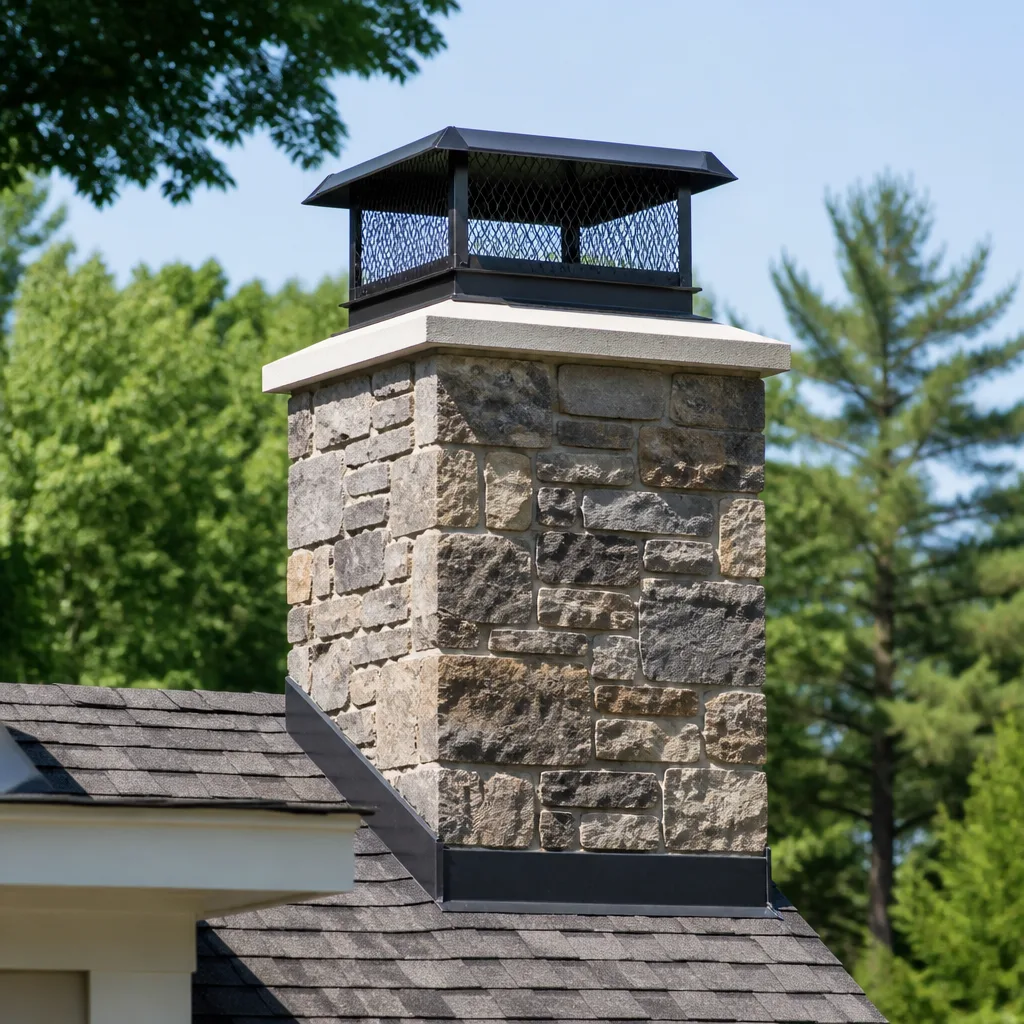 Caps & crowns
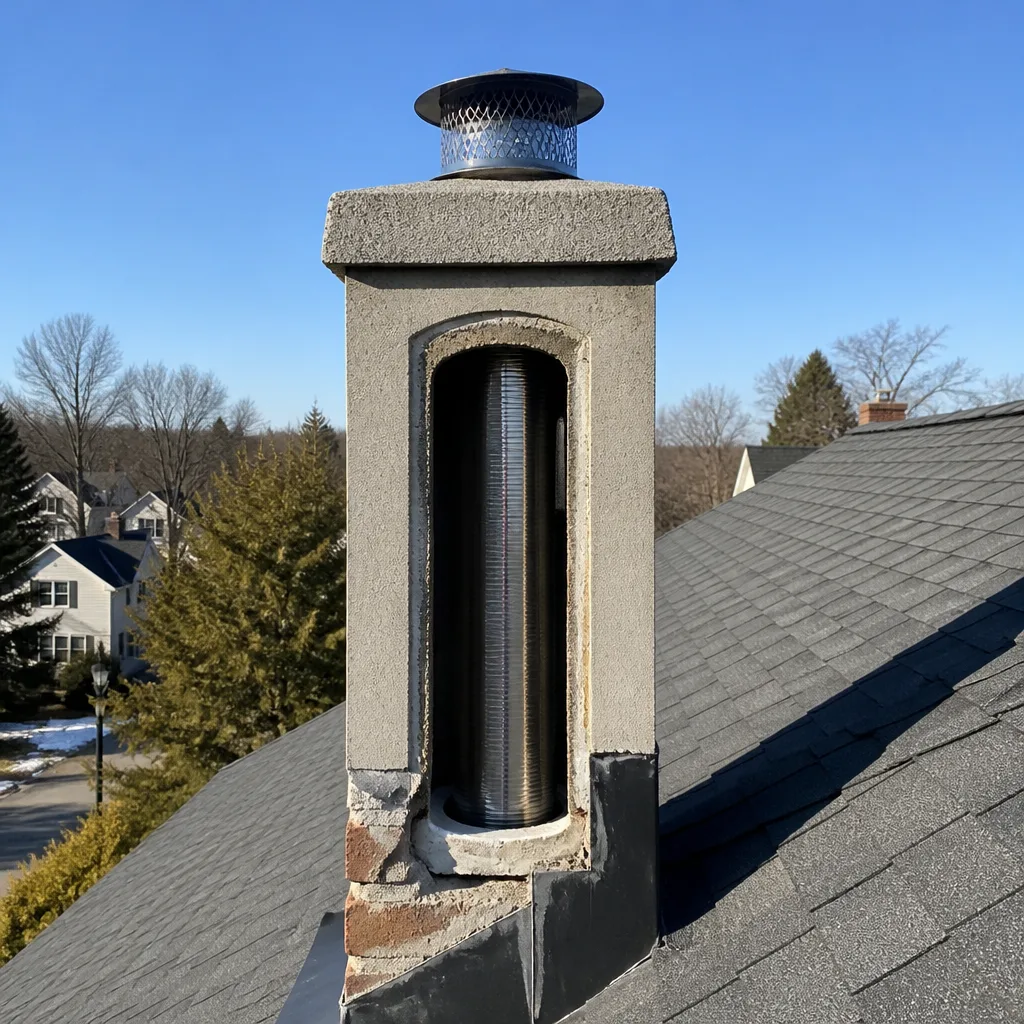 Flue relining
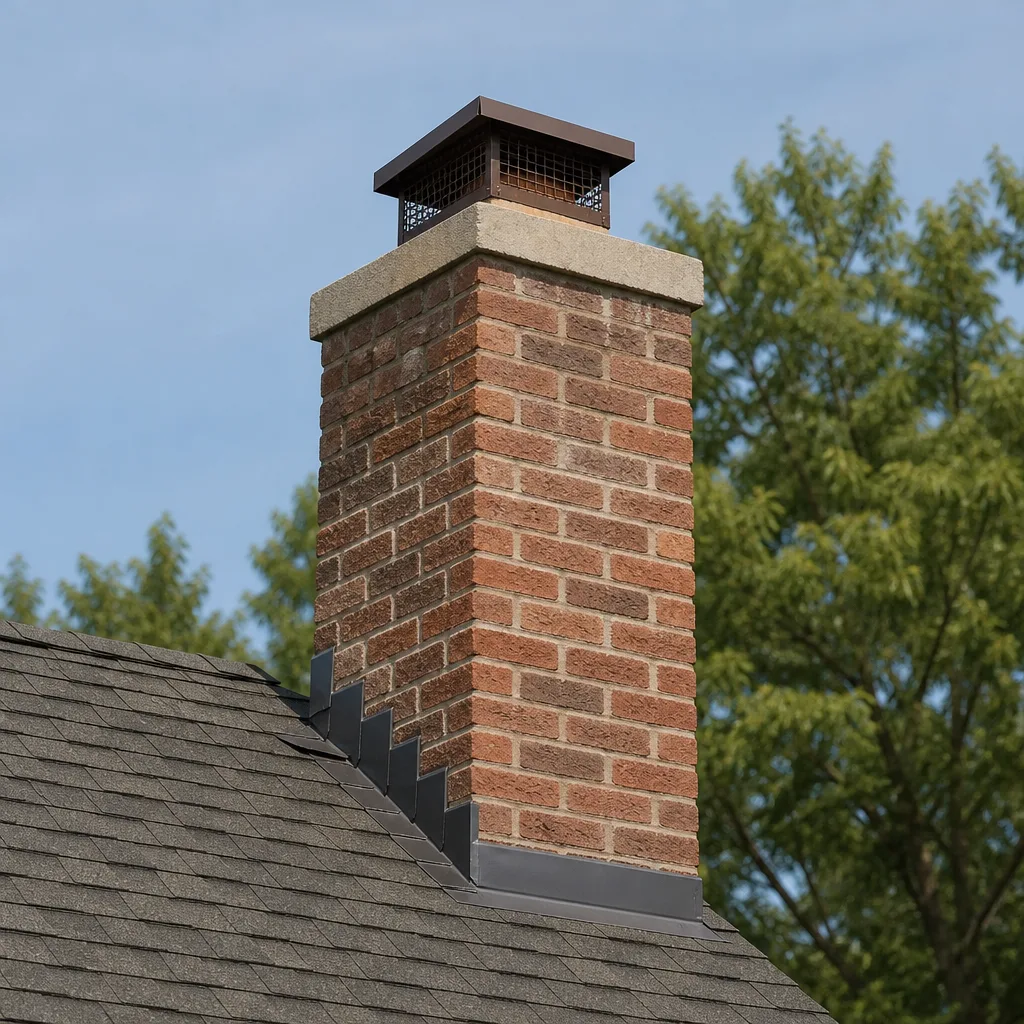 Masonry repair
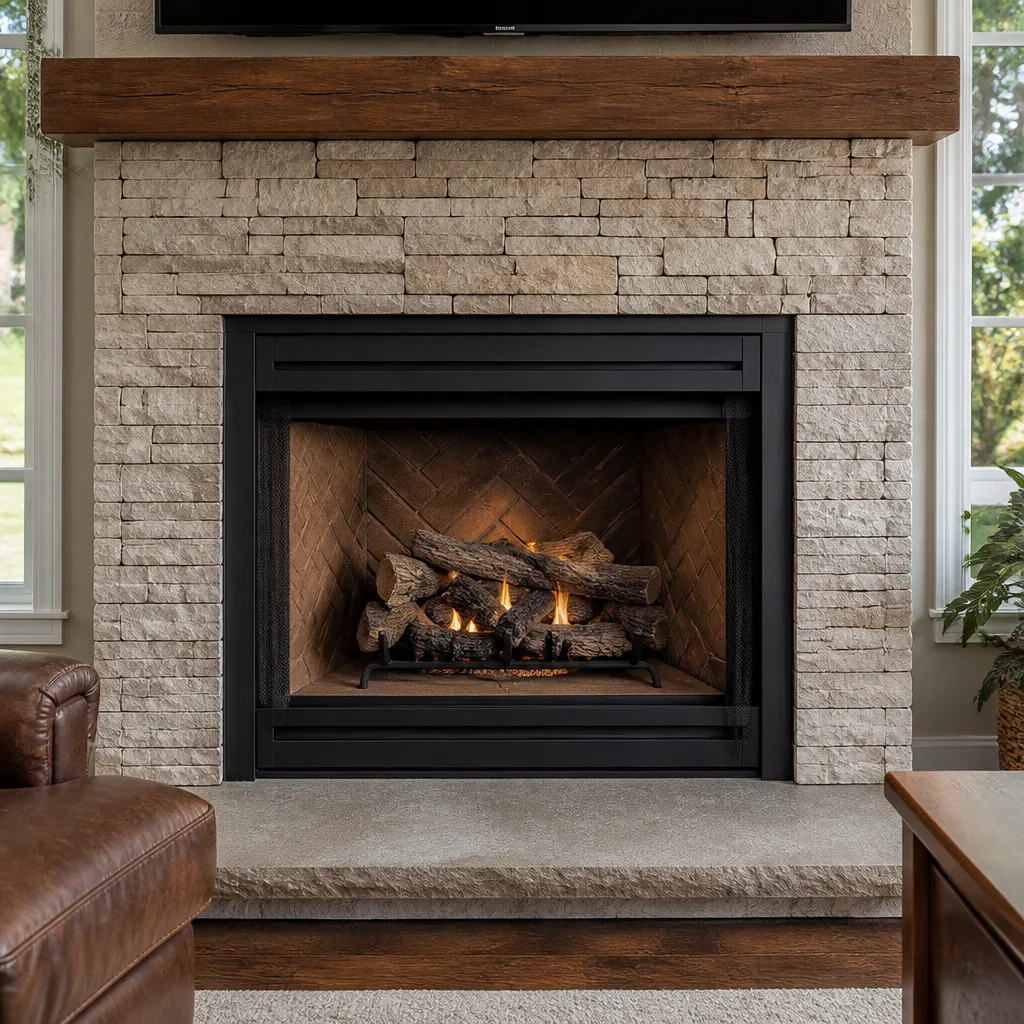 Gas fireplace service
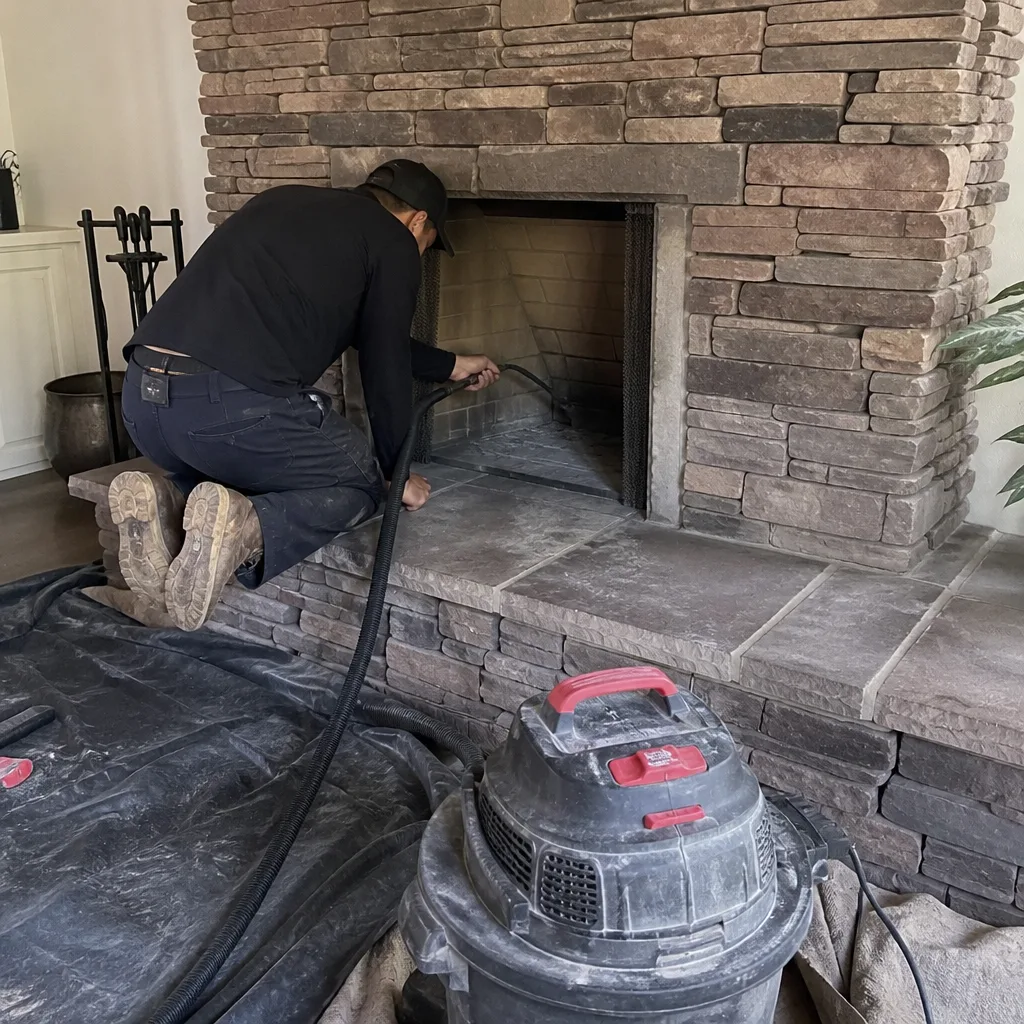
Level 1 sweep and inspection to the NFPA 211 annual standard - flue, crown, cap, and flashing checked and photographed
Chimney sweep logs do not sweep chimneys. They loosen some creosote - which then falls where a brush and vacuum still have to collect it.
Chimney Cleaning Permits, Codes & Inspections in CA: What You Need to Know
A chimney relining job completed without a permit in Sacramento County isn’t just a technicality. It’s an undisclosed material defect that can surface on a title report and delay or kill a home sale years later. Most homeowners in Carmichael don’t discover this until they’re sitting at an escrow desk, holding a stack of repair estimates, wondering why nobody mentioned it during the initial sweep. This guide explains exactly which chimney services require permits in California, which ones don’t, how Title 24 and Sacramento Metro AQMD rules affect your fireplace, and what a Level 2 inspection actually means for your real estate transaction. We’re a chimney and venting specialist in Carmichael, and we’ve walked hundreds of local homeowners through this process.
Quick Answer
Routine chimney sweeping and visual inspections do not require a permit anywhere in California, including Sacramento County. You do need a building permit when the work modifies the chimney structure or venting system: liner replacement, insert installation, cap or chase rebuild, or any repair that changes how combustion gases exit the home. A Level 2 inspection is required for real estate transfers in many Sacramento County jurisdictions, and Sacramento Metro AQMD wood-burning rules can restrict when you’re legally allowed to burn regardless of how clean your chimney is.
Styles & brands we work with
- Sweep & inspection
- Caps & crowns
- Flue relining
- Masonry repair
- Gas fireplace service
Table of Contents
- Which Chimney Services Are Permit-Exempt in Sacramento County
- Which Chimney Repairs Trigger a Building Permit
- How California Title 24 Affects Your Chimney and Damper
- Sacramento Metro AQMD Wood-Burning Rules and Your Chimney
- NFPA 211 Level 2 Inspections for Real Estate
- Pulling a Permit Yourself vs. Having the Contractor Pull It
- What Permits and Inspections Actually Cost in Sacramento County
- Common Mistakes to Avoid
- When to Call a Professional
- Frequently Asked Questions
Which Chimney Services Are Permit-Exempt in Sacramento County
Chimney sweeping and visual inspection are classified as maintenance, not construction. That means no permit, no plan review, and no final inspection from the county. You can have your flue swept every year for fifty years and never once interact with Sacramento County’s building department. The same applies to dryer vent cleaning, which is increasingly relevant in Carmichael homes where the dryer exhaust shares a wall cavity or chase with the fireplace flue.
Here’s what’s explicitly permit-exempt in Sacramento County:
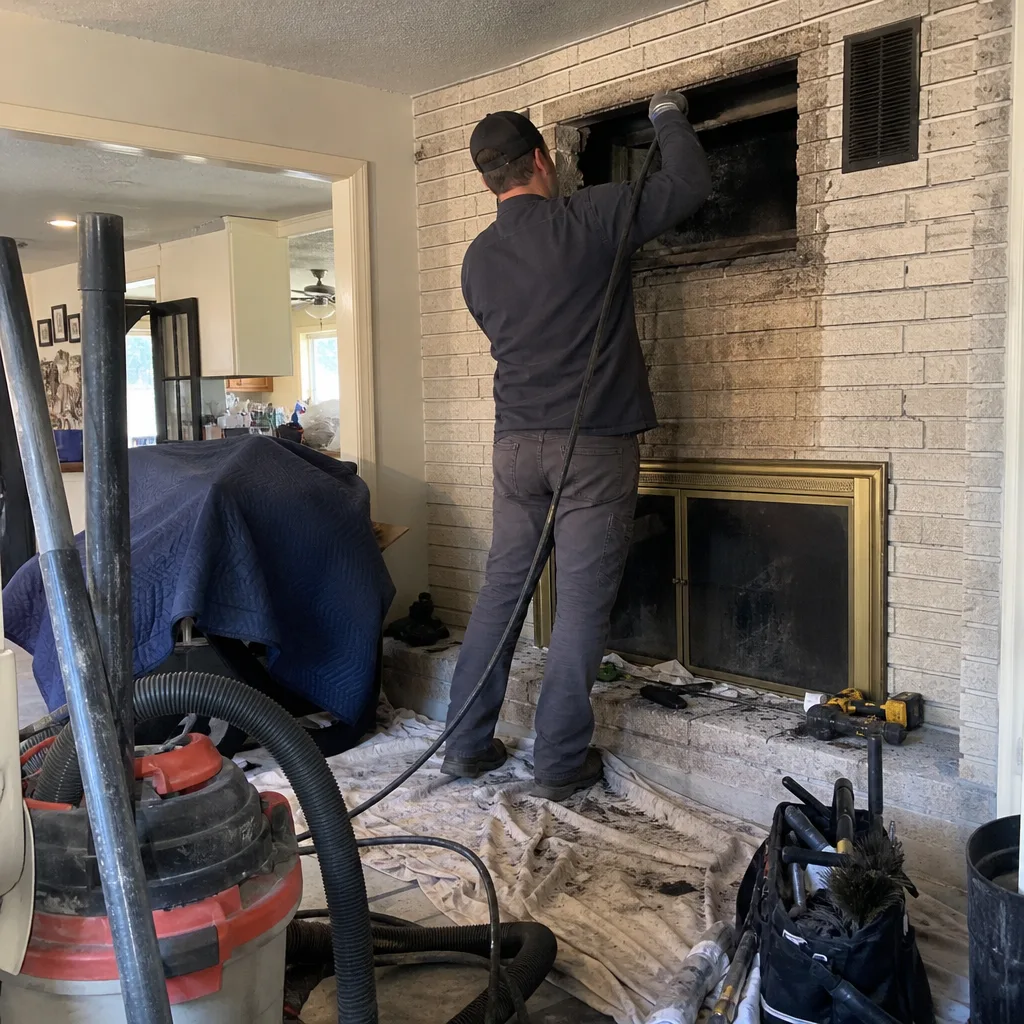
- Routine chimney sweeping – mechanical brushing, rotary cleaning, or rod-and-brush work that removes creosote and soot without altering the flue structure.
- Level 1 visual inspection – the standard annual check of accessible portions of the flue, firebox, damper, and exterior chimney.
- Dryer vent cleaning – clearing lint and obstructions from the dryer exhaust run. No structural change, no permit.
- Minor damper maintenance – lubricating, adjusting, or replacing a damper plate with an identical part, provided the throat and smoke shelf are unchanged.
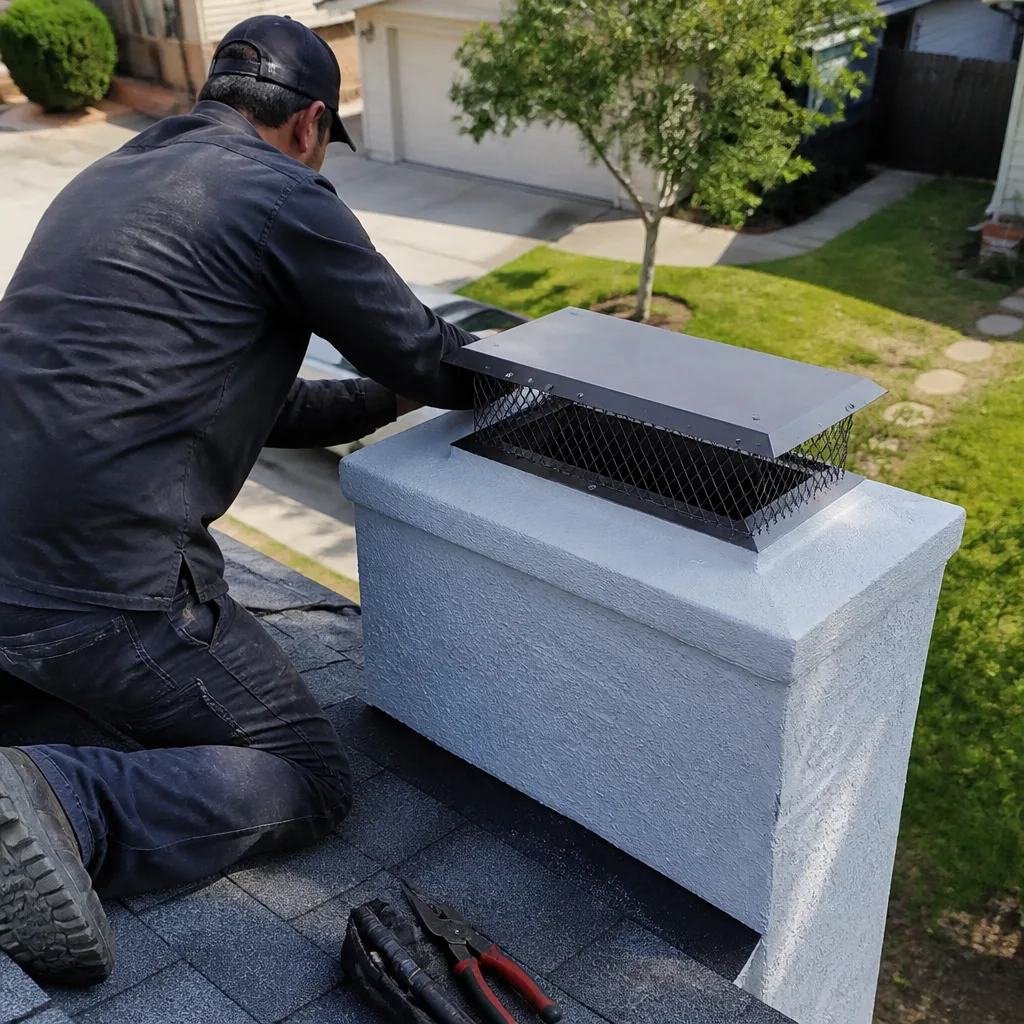
- Chase cover or rain cap replacement with a like-for-like part – swapping a rusted Gelco cap for a new Gelco cap of the same footprint does not trigger a permit, though some inspectors prefer you call it maintenance rather than replacement.
In our experience, the confusion starts when a sweep recommends something beyond cleaning. A recommendation is not a permit trigger. The work itself is the trigger. We tell Carmichael homeowners this plainly: if anyone tells you a simple chimney sweep requires a permit, ask them to cite the code section. For Chimney Sweep Troubleshooting: Common Problems and How to Fix Them, They won’t be able to, because it doesn’t exist in California building code or Sacramento County amendments.
Which Chimney Repairs Trigger a Building Permit
California Residential Code (CRC) Section R105.1 states that any work that involves “the construction, enlargement, alteration, repair, movement, improvement, removal, conversion or demolition of any building or structure” requires a permit unless specifically exempted. Chimney repairs that alter the structure, change the venting configuration, or replace the flue liner fall squarely into the permitted category. Sacramento County enforces this through its Building Permits & Inspection Division, and the inspectors we’ve worked with are consistent about what they expect to see permitted.
Work that requires a building permit in Sacramento County includes:
- Flue liner replacement or relining – whether you’re installing a new stainless steel DuraFlex liner system, a poured-in-place liner, or a clay tile replacement, this is structural work on the combustion path. Permit required.
- Fireplace insert installation – adding a gas or wood insert modifies the firebox, damper, and venting configuration. This is not a maintenance item.
- Chimney rebuild or partial reconstruction – anything above a cosmetic repointing job. If you’re taking down masonry and rebuilding it, you’re in permit territory.
- Flue resurfacing via HeatShield or similar ceramic systems – even though HeatShield restores the existing flue rather than replacing it, Sacramento County treats it as a repair that changes the flue’s material specification. Plan on a permit.
- Changing fuel type – converting a wood-burning fireplace to gas logs requires a permit and potentially an inspection of the gas line connection.
- Chase installation or replacement – adding a factory-built chase for a prefab fireplace is structural work, not maintenance.
The distinction that matters: if the repair restores the original condition using original-spec materials, it often falls under maintenance. If it upgrades, changes, relines, or reconfigures the system, you need a permit. When we specify a repair in Carmichael, our proposal states plainly whether we’re pulling a permit and what it covers. That transparency is part of why our repair process starts with a diagnosis, not a sales pitch. You can read more about how we approach Chimney Repair in Carmichael on our repair page.
How California Title 24 Affects Your Chimney and Damper
California’s Title 24 energy code gets a lot of attention for solar requirements and insulation standards, but it also contains provisions that affect chimneys and fireplaces. The relevant section is Part 6, which governs building energy efficiency, and it has direct implications for anyone whose chimney sweep recommends a damper upgrade or replacement.
The key Title 24 provisions affecting chimneys:
- Damper standards for new construction – any fireplace installed in new construction or a major remodel must have a damper that meets Title 24’s air leakage standards when closed. This typically means a top-sealing damper or a gasketed throat damper that creates a tighter seal than the cast-iron dampers found in most Carmichael homes built before 1990.
- Flue damper requirements for gas fireplaces – gas log sets and gas fireplaces installed under a permit must include a damper stop or clamp that prevents full closure, or a listed vented gas log damper. This is a carbon monoxide safety measure, and it’s an item inspectors check during final approval.
- Ventilation and combustion air – Title 24 requires that wood-burning fireplaces have an adequate source of combustion air. In tighter, more energy-efficient homes, this can mean a dedicated outside air intake. If your Carmichael home was built before 1980 and then weatherized, the original combustion air supply may no longer meet code.
What this means when a sweep recommends a damper upgrade: the replacement damper must comply with current Title 24 standards, even if the original damper was grandfathered. A standard cast-iron replacement damper from a hardware store might not meet the air leakage requirements. A top-sealing damper from a manufacturer like Copperfield or a LYEMANCE-style damper is the typical spec. Our repair work in Carmichael uses professional-grade damper components rather than generic replacements, specifically because we know which products meet Title 24 and which ones will fail a final inspection.
Sacramento Metro AQMD Wood-Burning Rules and Your Chimney
The Sacramento Metropolitan Air Quality Management District regulates residential wood burning in Sacramento County, including Carmichael, and its rules affect when you can legally burn even if your chimney is spotless. The current program is called “Check Before You Burn,” and it runs from November 1 through the end of February each year.
Here’s how the AQMD rules work in practice:
- Mandatory no-burn days – on days when particulate matter is forecast to exceed federal standards, wood burning is prohibited. This applies to fireplaces, wood stoves, and outdoor fire pits unless they’re the sole source of heat.
- Check the status before you burn – the AQMD publishes a daily burn status. In Carmichael, you can check by visiting the AQMD website or calling the burn status line. Burning on a no-burn day is a violation, with fines starting around $50 for a first offense but escalating for repeat violations.
- Exemptions – homes where the fireplace or wood stove is the only source of heat are exempt, as are pellet stoves and EPA-certified wood stoves in some circumstances. A standard open-hearth fireplace in Carmichael is not automatically exempt.
- Chimney condition and burn eligibility – this is where the sweep’s report intersects with AQMD rules. A chimney with excessive creosote buildup or a damaged flue produces significantly more particulate matter than a clean, properly functioning system. The AQMD’s position is that a well-maintained chimney burns more efficiently and produces less smoke. A sweep that documents creosote levels provides evidence of responsible burning if a neighbor complaint triggers an investigation.
What this means for Carmichael homeowners: your annual chimney sweep isn’t just about fire safety. It’s also relevant to whether you’re burning legally and efficiently on the days when burning is allowed. A clean flue with a properly functioning damper produces less visible smoke, which matters in a neighborhood where residents are increasingly aware of wood smoke as both a nuisance and a health issue. See our Chimney Cleaning Warning Signs: A Carmichael Homeowner’s Reference Guide for additional guidance.
NFPA 211 Level 2 Inspections for Real Estate
If you’re buying or selling a home in Carmichael with a wood-burning fireplace or any solid-fuel appliance, expect a Level 2 inspection to be part of the transaction. NFPA 211 defines three inspection levels, and Level 2 is the standard for real estate transfers. It’s also required after any event that may have damaged the chimney: a chimney fire, an earthquake, a lightning strike, or a major weather event.
A Level 2 inspection includes everything in a Level 1 inspection, plus:
- Video scanning of the flue interior – a camera inspection of the entire flue length, looking for cracks, spalling, missing mortar joints, or liner deterioration that a visual inspection from the top or bottom cannot reveal.
- Attic, crawl space, and basement inspection – checking the chimney’s passage through concealed spaces for clearances to combustibles, which is a common fire hazard in older Carmichael homes.
- Exterior chimney inspection – evaluating the masonry, crown, cap, flashing, and chase for water intrusion and structural issues.
- Combustion appliance inspection – verifying that connected appliances, including gas water heaters or furnaces that share the flue, are properly vented.
The Level 2 report is what lenders and title companies in Sacramento County look at when a fireplace is present. If the report documents a cracked flue liner, a deteriorated crown, or improper clearances, that finding becomes a disclosure item. The seller is now aware of a known defect, and California’s disclosure laws require that defect to be disclosed to the buyer. This is exactly how an unpermitted reline surfaces years later. The seller didn’t disclose it because they didn’t know, and the original contractor either didn’t mention the permit or actively avoided it.
When we perform a Level 2 inspection in Carmichael, we provide a written report with photos or video stills. The buyer and seller both see exactly what the camera saw. No work is recommended without visual evidence, and no reline is quoted without a clear explanation of what the camera found and why it matters. That’s what separates a diagnostic chimney company from a sweep-and-go operation.
Pulling a Permit Yourself vs. Having the Contractor Pull It
California law allows a homeowner to pull their own building permit for work on their own residence. It also requires contractors to pull permits for work they perform, and they must be licensed by the Contractors State License Board (CSLB) to perform chimney work in California. Here’s the reality of how this plays out in Sacramento County.
Option 1: The homeowner pulls the permit. This is legal and sometimes less expensive on the surface, but it carries risk. When you pull your own permit, Sacramento County treats you as the responsible party. You’re now acting as the general contractor for that work. If the contractor does something wrong, if the work fails inspection, if there’s a dispute about the scope, you’re the one on the hook with the county. You’ve also now created a record that you knew about the work, which affects disclosure obligations when you sell.
Option 2: The chimney contractor pulls the permit. This is the approach we recommend. The contractor’s license number is on the permit, the contractor is responsible for passing inspection, and the contractor’s insurance covers the work as a permitted project. If the contractor won’t or can’t pull a permit for work that requires one, that’s a red flag. In our experience, the request to “skip the permit” almost always comes from someone who isn’t licensed for the work in the first place, or who doesn’t want the county inspecting their workmanship.
Step-by-step, here’s what a permitted chimney reline or insert installation in Sacramento County looks like when the contractor handles it:
- Permit application – the contractor files with Sacramento County Building Permits & Inspection, including a scope of work, product specifications (liner manufacturer and model, such as DuraFlex or HeatShield), and often a simple plan drawing.
- Plan review – for simple relines and insert installations, this is typically an over-the-counter review at the county office or a quick online review. Complex rebuilds go to plan check.
- Permit issuance – the permit is issued and posted at the job site. Sacramento County requires the permit to be visible during the work.
- Rough inspection – for a reline, the county inspector verifies the liner is properly installed, properly connected at the appliance, and correctly terminated. For an insert, they check the firebox, flue connection, and gas line if applicable.
- Final inspection – the inspector signs off, and the permit is closed. The homeowner receives documentation that the work was permitted, inspected, and approved. That document is what you show a future buyer.
For a more complete look at how we diagnose and specify chimney repairs in Carmichael, visit our Chimney Sweep in Carmichael page, which covers our repair diagnostic process in detail.
What Permits and Inspections Actually Cost in Sacramento County
Sacramento County building permit fees are based on the valuation of the work. For chimney work, the county uses a valuation table that assigns a dollar value per linear foot of liner replacement, per unit for insert installation, and per square foot for masonry rebuild. The permit fee is then calculated as a percentage of that valuation, plus a records retention fee and, in some cases, a plan review fee.
Here’s what we typically see for common chimney projects in Carmichael:
- Flue relining permit – typically $180 to $350 in fees, depending on flue height and valuation. This covers the plan review, permit issuance, and the rough and final inspections.
- Fireplace insert installation permit – $250 to $500, including any gas line inspection if the insert is gas-fired.
- Chimney rebuild permit – $400 to $1,200, depending on the scope. A full rebuild from the roofline up is at the higher end; a crown replacement with some masonry repair is at the lower end.
- Re-inspection fee – if work fails inspection and the inspector has to return, Sacramento County charges a re-inspection fee, typically $85 to $150. This is another reason to have the contractor handle it: their work should pass the first time.
These are the county’s fees. They’re separate from the cost of the work itself. When we quote a permitted reline in Carmichael, the proposal breaks out the permit fee as a line item so there’s no ambiguity. Some contractors wrap the permit fee into a lump sum, which is fine, but ask to see the permit application. A contractor who charges you for a permit and then never files it has committed fraud, and you’ll discover it years later at the escrow desk.
For dryer vent cleaning, no permit is involved. It’s a maintenance service like chimney sweeping. We discuss this in more detail on our Dryer Vent Cleaning in Carmichael page.
Common Mistakes to Avoid
- Accepting a “verbal permit” or a promise that “it’s not needed.” If the work requires a permit under Sacramento County code, a contractor’s verbal assurance doesn’t change that. Ask for the code section that exempts the work. If they can’t cite one, call the county yourself. The building department answers these questions for free.
- Using a handyman for liner or insert work. California law restricts chimney work to licensed contractors. A handyman doing a “reline” with flexible aluminum dryer vent pipe is a fire hazard waiting to happen, and it’s unpermitted. We’ve seen this in Carmichael more than once.
- Delaying a Level 2 inspection until after you’ve listed the house. If the inspection finds a cracked flue or deteriorated crown, you’re now repairing on the buyer’s timeline, often under pressure to complete work before closing. Better to have the inspection and any repairs done before you list, so the report is clean and the work is permitted.
- Assuming a chimney sweep includes a structural inspection. A standard sweep clears creosote and soot. It doesn’t evaluate the flue’s structural condition unless the technician runs a camera, which is a Level 2 component. If you want to know the condition of your flue, ask for a Level 2 inspection specifically.
- Burning through a no-burn day without checking AQMD status. Sacramento County AQMD enforces these rules, and a neighbor complaint is all it takes. A fine plus a documented violation isn’t worth the ambience.
- Replacing a damper with a hardware-store part. Title 24 requires specific damper performance for replacement in existing fireplaces when the replacement is part of a permitted repair. A generic cast-iron damper that doesn’t seal properly will fail inspection if it’s part of a larger project.
- Not keeping the permit documents after the work is done. The final inspection sign-off is worth more than the receipt. It’s the document you’ll need for a future sale, an insurance claim, or a refinance. File it with your mortgage paperwork.
When to Call a Professional
Call a professional if the camera shows a cracked flue liner, if you have water staining around the fireplace or on the ceiling near the chimney chase, if you smell smoke in the house after the flue is fully open, or if you’re buying or selling a Carmichael home with a fireplace and a Level 2 inspection hasn’t been done. These are not DIY items. A cracked flue is a combustion gas containment issue, and the fix requires a reline or resurfacing system that is specified, permitted, and inspected. A professional who works exclusively with chimney and venting systems will be able to tell you what’s wrong, what it costs to fix, and whether the work requires a permit. We specify the repair before we sell it, and we show you the camera evidence so you can see exactly what we see. Chimney Sweep Carmichael home has more on how we approach the diagnostic process. For a free estimate in Carmichael, call (833) 593-4469.
Frequently Asked Questions
No. Chimney sweeping is classified as routine maintenance and does not require a building permit anywhere in California, including Sacramento County. The same applies to visual chimney inspections and dryer vent cleaning. A permit is only required when the work modifies the chimney structure, flue, or venting configuration, such as a liner replacement or insert installation. If you’re not sure whether your project needs a permit, call the Sacramento County building department or ask your sweep to confirm in writing before work begins. You can also review our Chimney Sweep Maintenance Checklist for Carmichael Homeowners. For a free estimate in Carmichael, call (833) 593-4469.
Yes. Replacing or relining a flue liner is structural work on the combustion path and requires a building permit in Sacramento County. This includes stainless steel relining systems like DuraFlex, poured-in-place liners, and flue resurfacing systems like HeatShield. The permit ensures the work is inspected and documented, which protects you in a future real estate transaction. A completed permit with a final inspection sign-off is the document you’ll want years later when a buyer’s inspector asks about the fireplace.
A Level 1 inspection is a visual check of the accessible portions of the chimney, typically done during an annual sweep. A Level 2 inspection adds video scanning of the entire flue interior, inspection of the chimney’s passage through attics and crawl spaces, and evaluation of connected appliances. Level 2 is required for real estate transactions, after a chimney fire, and after seismic events. In Carmichael, lenders and title companies frequently request a Level 2 inspection when a fireplace is present in the home being financed.
No. The Sacramento Metro AQMD enforces “Check Before You Burn” rules from November through February. On mandatory no-burn days, residential wood burning is prohibited unless the fireplace is your sole source of heat. You’re responsible for checking the daily burn status before lighting a fire. A clean, well-maintained chimney produces less particulate matter and less visible smoke, which is relevant both for air quality compliance and for avoiding neighbor complaints. Annual sweeping keeps your system burning as cleanly as possible on the days burning is allowed.
Have the contractor pull the permit. When the contractor pulls the permit, their license number and insurance are tied to the project. They’re responsible for passing inspection, and if something goes wrong, the county’s enforcement action targets the contractor, not the homeowner. When you pull the permit yourself, you become the responsible party and effectively the general contractor for that work, which affects liability and future disclosure obligations. A licensed chimney contractor who handles permitted work regularly will include the permit as a line item in the proposal. Call (833) 593-4469 for a free estimate on permitted chimney work in Carmichael.
A Level 1 inspection is typically included with a standard chimney sweep, which in Carmichael typically runs $169 to $299 depending on flue height, accessibility, and whether the fireplace shows heavy creosote buildup. A Level 2 inspection with video scanning typically runs $199 to $349 as a standalone service and includes a written report with photos. If the inspection identifies a needed repair, that finding is documented and you can make an informed decision about whether to proceed. We don’t recommend repairs without showing you the camera evidence first. Call (833) 593-4469 for current pricing.
No. Dryer vent cleaning is maintenance clearance work on the exhaust path, not a structural modification. No permit is required anywhere in Sacramento County. The same applies to routine dryer vent inspection. A permit only becomes relevant if the dryer vent itself is being relocated, the exhaust path is being rerouted, or the vent termination is being moved. Those are rare events, and a licensed contractor will tell you if your specific situation requires one. Our Dryer Vent Cleaning in Carmichael service covers the cleaning and inspection, with any structural concerns documented in the report.
You inherit the problem. The unpermitted work becomes a disclosure item once discovered, which typically happens during a Level 2 inspection at your eventual resale. The buyer can demand the work be permitted retroactively, which is complicated and expensive because Sacramento County will want to inspect a liner that’s already installed. The buyer can also walk. The cleanest path is to address it on your own timeline now: have the liner inspected, and if it’s sound, determine whether the county will issue a retroactive permit. If the liner is unsafe, you’re replacing it anyway, so do it with a permit this time. For a no-obligation assessment in Carmichael, call (833) 593-4469.
The Bottom Line
Chimney cleaning in California is permit-free, but the moment a repair changes your flue, liner, or venting configuration, you’re in permit territory. Sacramento County enforces this, and unpermitted work has a way of surfacing at the worst possible moment: during escrow, after a chimney fire, or when an insurance adjuster asks for documentation. A Level 2 inspection is your best tool for knowing what condition your flue is actually in, and Sacramento Metro AQMD rules mean your burn calendar matters as much as your burn habits. Get the sweep, get the camera inspection, and if work is needed, make sure it’s specified, permitted, and inspected. Explore more guides & resources on our blog. That’s the sequence that protects your home and your resale value in Carmichael.
Written by the team at Chimney Sweep Carmichael, serving Carmichael since 2012.
See the difference
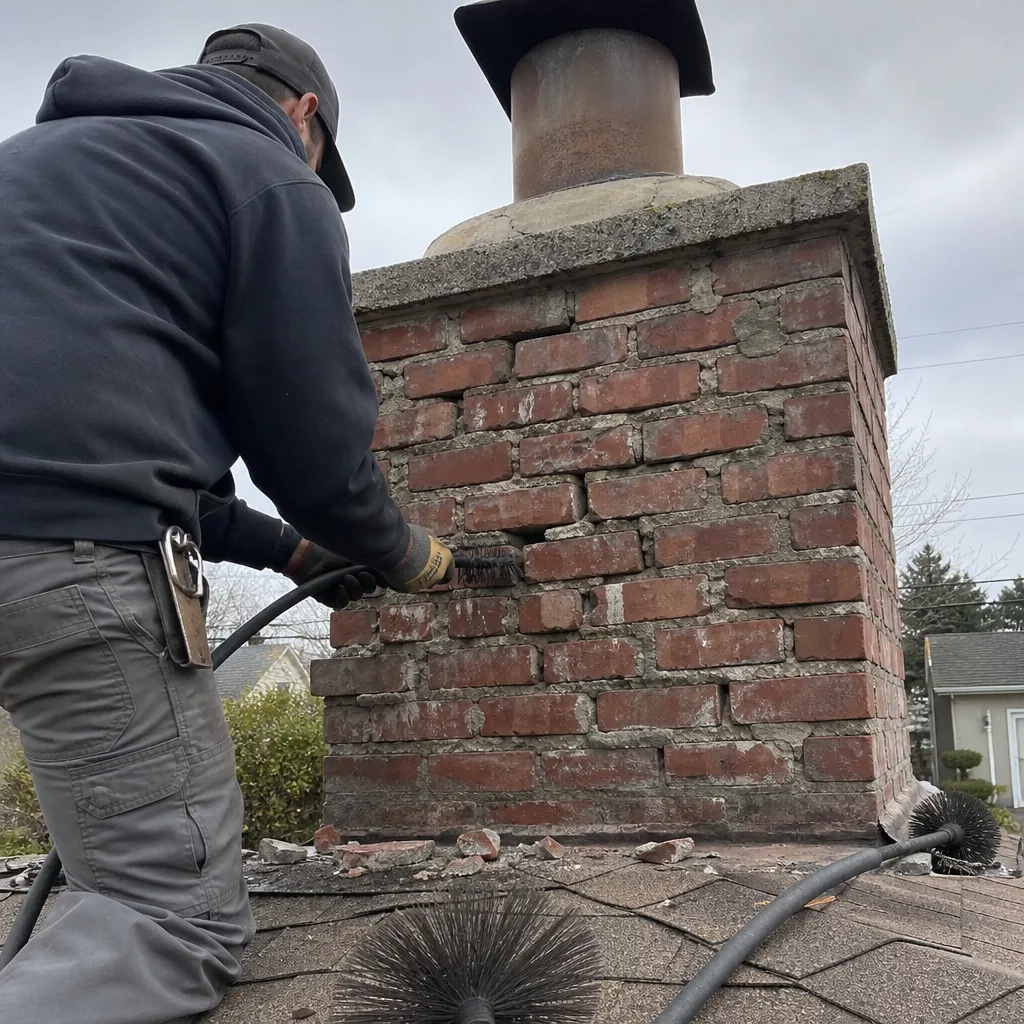 Before
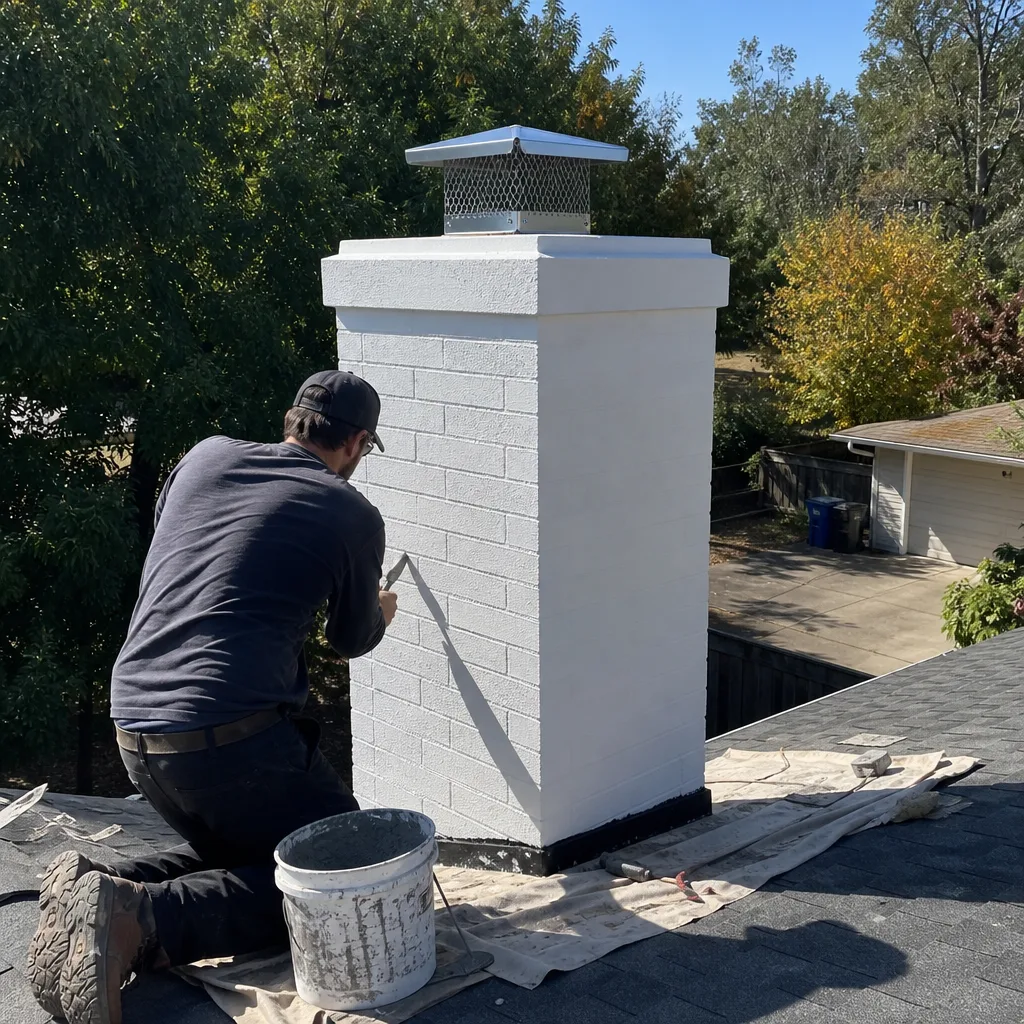 After
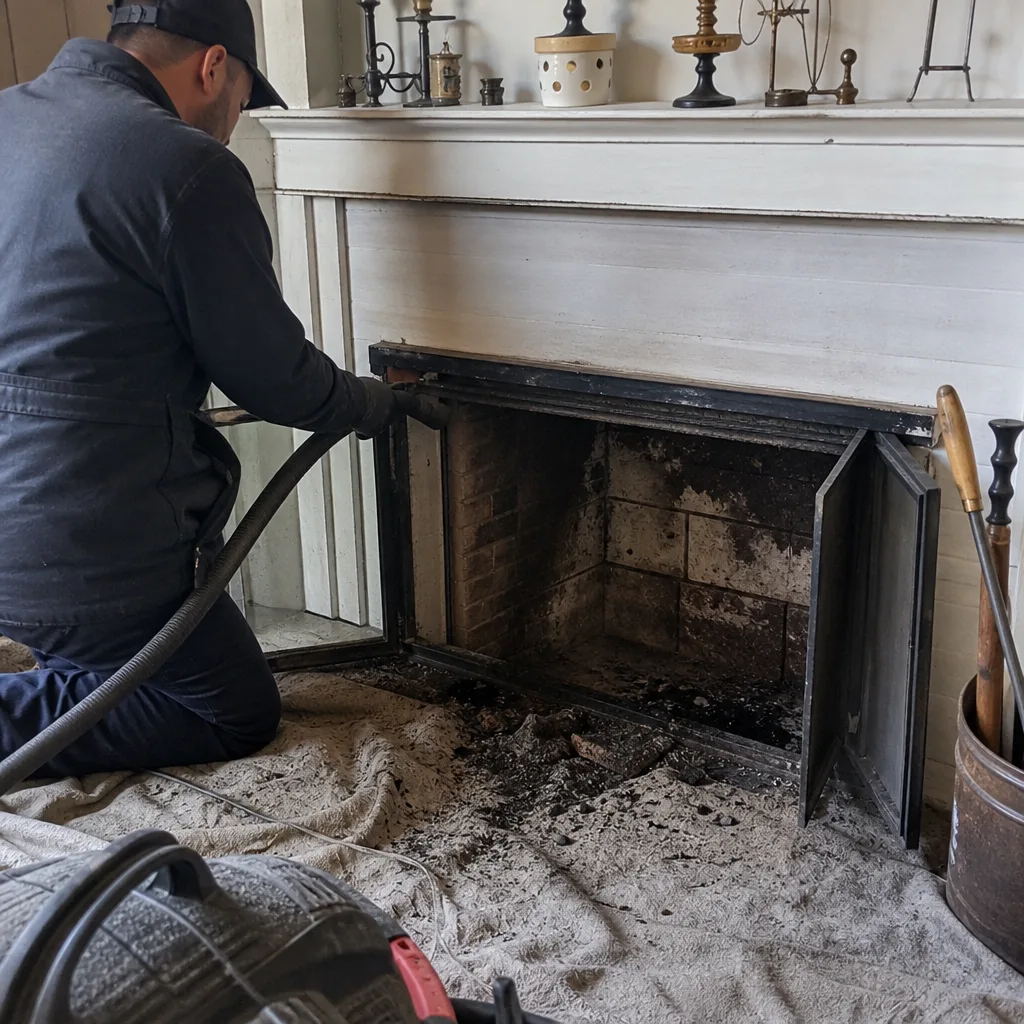 Before
 After
 Before
 After