
Last updated November 2, 2026
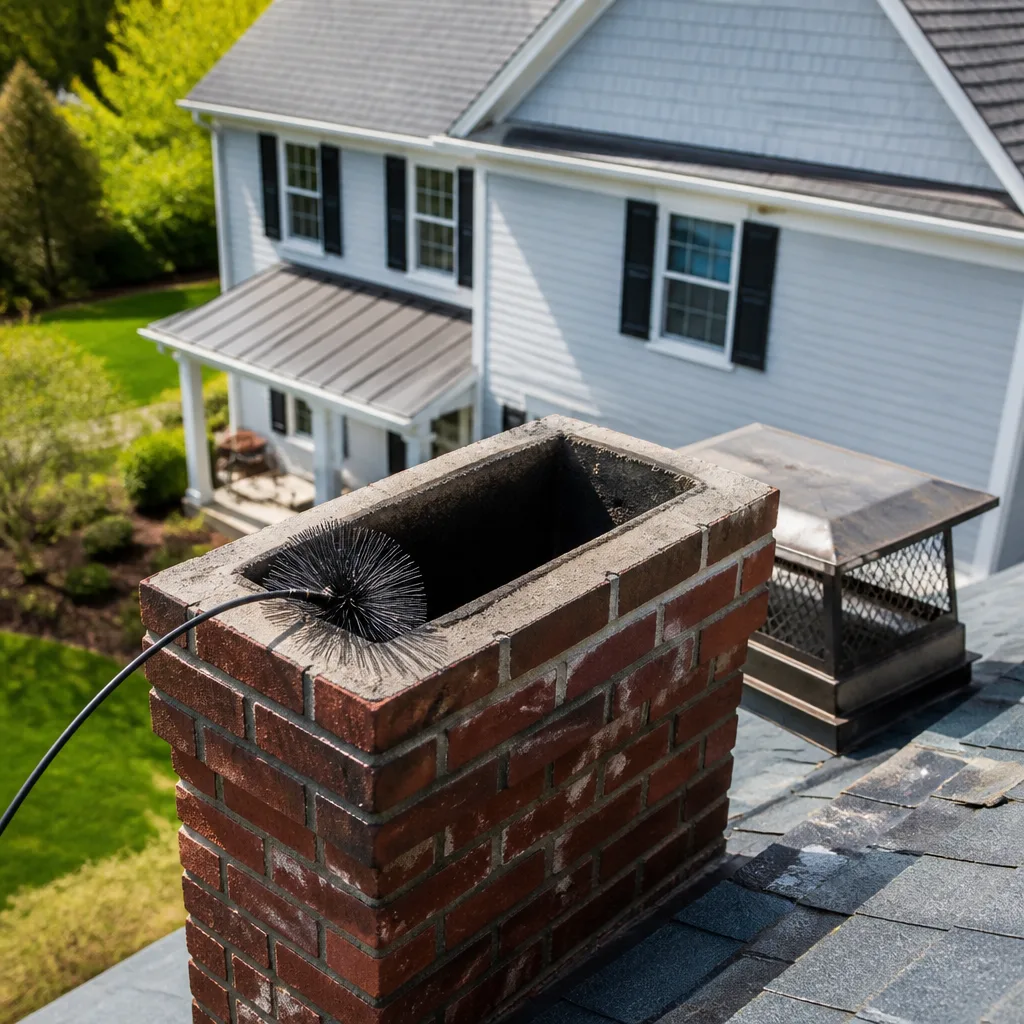 Sweep & inspection
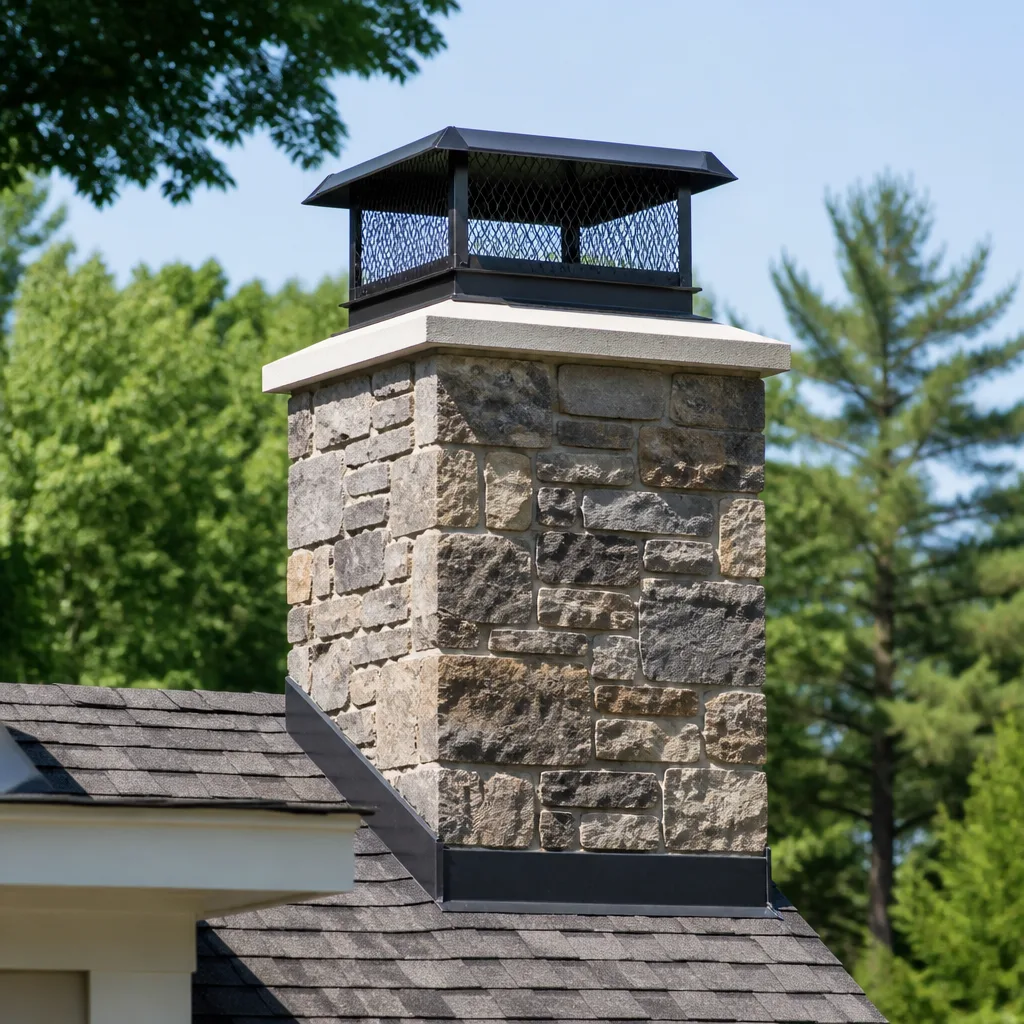 Caps & crowns
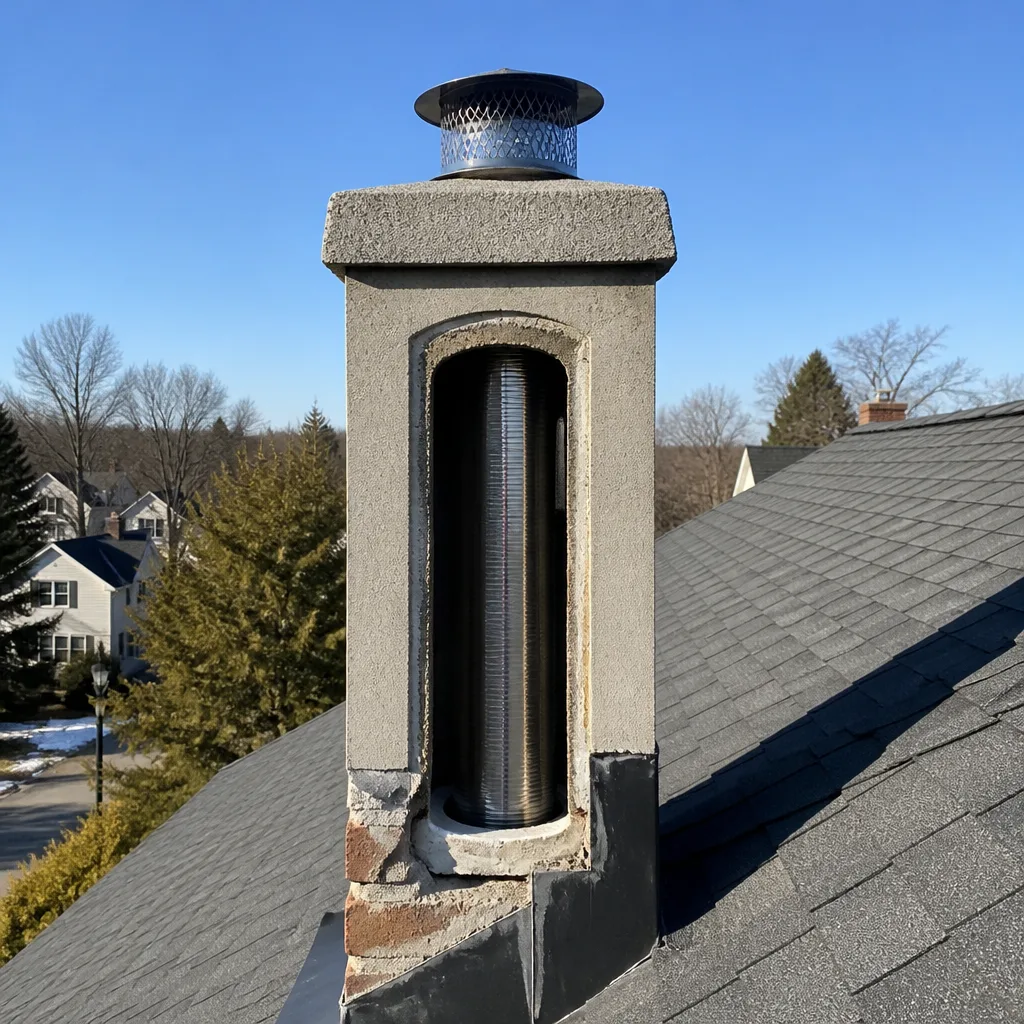 Flue relining
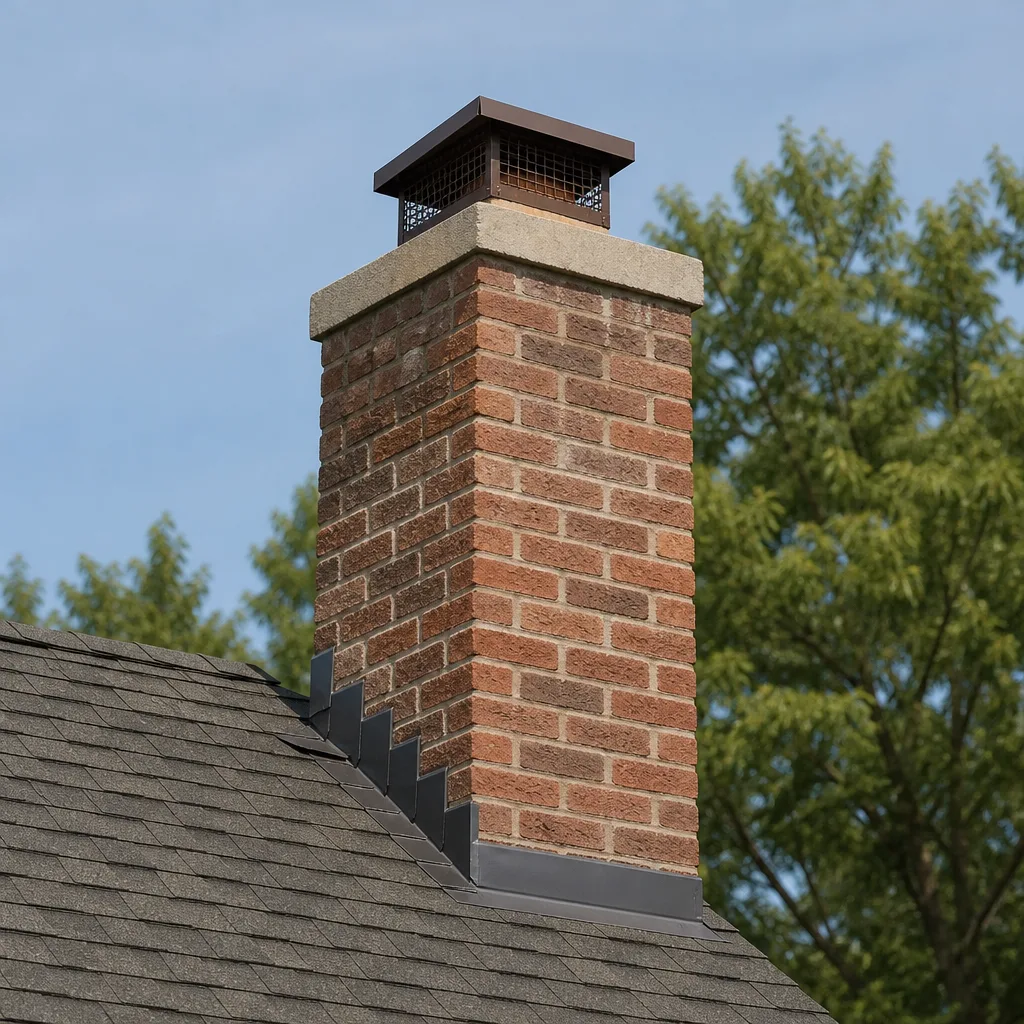 Masonry repair
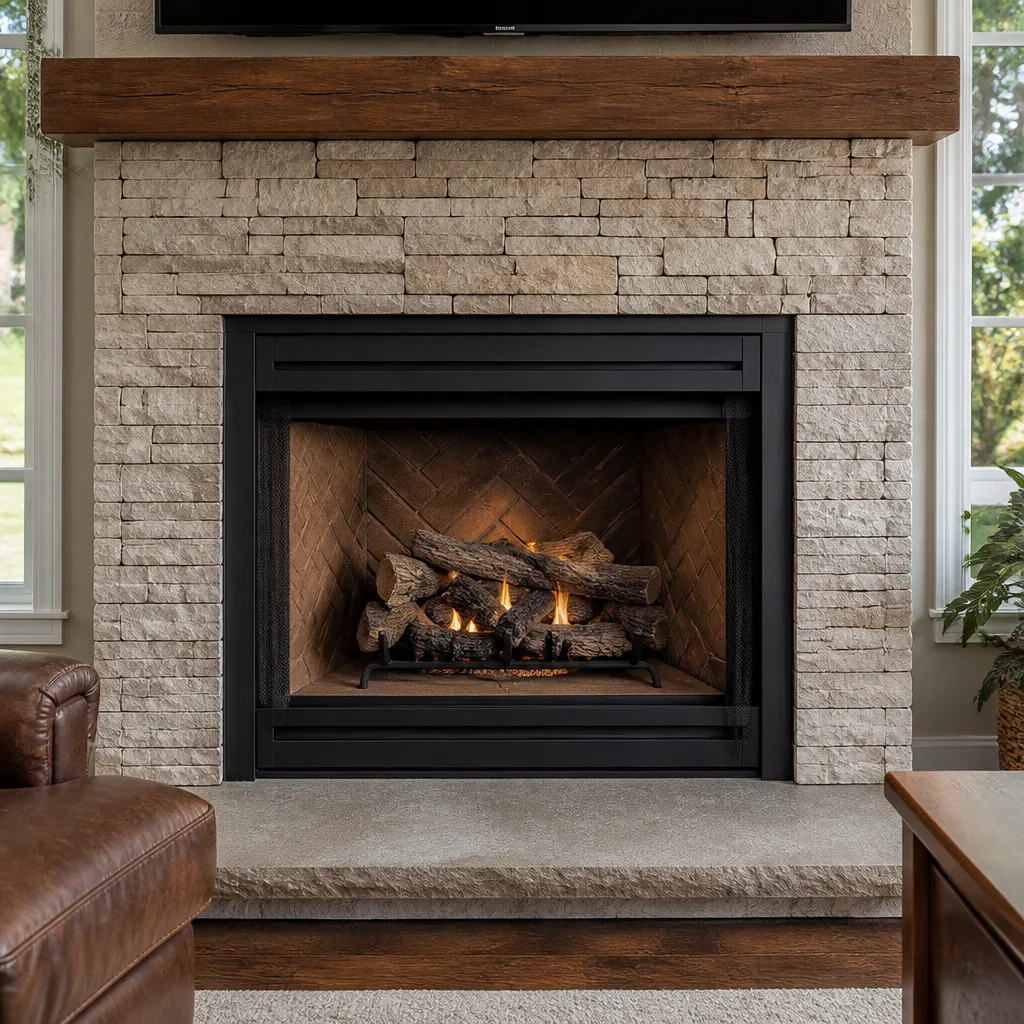 Gas fireplace service
Level 1 sweep and inspection to the NFPA 211 annual standard - flue, crown, cap, and flashing checked and photographed
Chimney sweep logs do not sweep chimneys. They loosen some creosote - which then falls where a brush and vacuum still have to collect it.
Chimney Sweep Troubleshooting: Common Problems and How to Fix Them
Here’s a fact most chimney guides won’t start with: the single most misdiagnosed chimney problem is the smoky fireplace. Homeowners in Carmichael and everywhere else patch it with a new chimney cap, a taller flue, or a wind-directional top, when the actual cause is often a cracked smoke chamber, an oversized firebox opening, or a depressurized house pulling air the wrong way down the flue. What follows is a diagnostic approach to chimney problems, not a list of generic fixes – though you can also explore our more guides & resources for deeper reading. You’ll learn what your symptoms actually mean, how to confirm a cause before spending money, and which repairs are worth the cost.
Quick Answer
Chimney problems fall into a few mechanical categories: airflow issues (backdraft, slow draw), structural deterioration (cracked flue tiles, spalling brick), component failure (damper, cap, flashing), and environmental interference (animal entry, house depressurization, moisture). The fix that matters is the one that matches the actual cause, and most causes can be identified with a visual inspection, a simple pressure test, or a camera scan before anyone recommends a repair. For a full walkthrough of this process, see The Complete Chimney Sweep Guide for Carmichael Homeowners.
Styles & brands we work with
- Sweep & inspection
- Caps & crowns
- Flue relining
- Masonry repair
- Gas fireplace service
Table of Contents
- Smoke Backdraft: When the Flue Pulls Air the Wrong Way
- Persistent Fireplace Odor, Even in Summer
- Slow Draw: The Fire Burns, the Smoke Lingers
- Smoke Rollout from the Firebox Opening
- Damper Failure: The Part Everyone Forgets
- Animal Entry and Nest Blockage
- Efflorescence and Spalling: When the Brick Itself Is the Problem
- House Depressurization: The Problem That Isn’t the Chimney at All
Smoke Backdraft: When the Flue Pulls Air the Wrong Way
Backdraft is the most common complaint we hear from homeowners in the Sacramento area, and it’s also the most frequently over-repaired. Smoke that pours into the room instead of rising up the flue has three typical causes, and each one points to a different repair tier.
First, check the damper. A damper that doesn’t open fully, or a throat damper that’s rusted in a partly closed position, will restrict the flue enough to cause a backdraft. This is a relatively simple fix – cleaning and lubricating the mechanism, or replacing a warped damper plate, typically resolves it.
Second, look at the flue size. If someone converted an old masonry fireplace to a gas insert or a smaller firebox, the existing flue may be too large for the new appliance. In this case there’s too much opening and not enough heat, the flue can’t establish a draft, and smoke stalls. The fix is an appropriately sized liner – and here’s where a chimney-only specialist matters, because this is a specification problem, not a cleaning problem.
Third, check whether the house itself is fighting the chimney. Run the kitchen exhaust fan, the dryer, and the bathroom fan all at once with a fire going, and if the smoke reverses, you’ve found the cause: depressurization. More on that in its own section below.
In Carmichael, homes built in the 1960s and 70s often have masonry chimneys with no liner at all, just exposed brick and mortar on the inside. That’s a significant airflow and safety issue, and no amount of sweeping will fix the draw. A properly sized liner is the actual repair.
Persistent Fireplace Odor, Even in Summer
A fireplace that smells like old smoke in August signals a creosote problem or a moisture problem, and the two require different responses.
Creosote odor is strongest on humid days. The creosote absorbs moisture from the air, expands, and releases the smoky smell back into the room. The fix here is straightforward: a professional Chimney Sweep removes the creosote deposits, and the smell disappears. If the odor returns quickly, the burning habits need attention, typically the homeowner is burning unseasoned wood or running fires too cool, and that’s producing creosote faster than the chimney can shed it.
Moisture odor is different. It smells musty or earthy, not like smoke. That’s water entering the flue – through a cracked crown, missing chimney cap, or deteriorating flashing. The water soaks into the masonry, carries down the creosote smell, and creates a persistent dampness. Resolving it means identifying where water is entering and sealing it: a new Gelco chimney cap, crown repair, or flashing replacement. In Carmichael’s wet winters, moisture intrusion is one of the most common root causes of what homeowners report as a “smelly fireplace.”
For either odor type, the first move is a camera inspection of the flue interior. Odor has a source, and the right lens finds it.
Slow Draw: The Fire Burns, the Smoke Lingers
Slow draw is different from full backdraft. The fire lights, it burns, but smoke hangs in the firebox and drifts into the room gradually. The chimney is trying to draft, but it can’t establish a strong enough pull.
The common causes, in order of frequency:
- Cold flue – In a cold chimney, the air inside is heavy and won’t rise until the flue warms up. That’s what a “pre-warming” step addresses: roll up a sheet of newspaper, light it, and hold it up inside the firebox near the damper for 30 seconds before lighting the main fire. It’s not a superstition, it’s physics, and it works.
- Partially blocked flue – Bird nests, dead animals, leaves, or a collapsed flue tile restricting the opening. A visual inspection from the top, or a camera scan from below, identifies this quickly.
- Too-short chimney – The chimney terminates below the roof peak or near a taller roof line, and the wind swirls down into the flue. The fix is extending the chimney height or adding a draft-inducing cap.
- Competing air demands – A tight house with a running furnace or water heater can starve the fireplace for combustion air. This shows up as slow draw that gets worse when the furnace kicks on.
Smoke Rollout from the Firebox Opening
Smoke rollout – the smoke that spills out over the top edge of the firebox opening – has one structural cause that’s frequently missed by generalist sweeps: the smoke chamber. This is the transition piece above the firebox, the area that funnels smoke from the firebox up into the flue.
In older masonry chimneys, the smoke chamber was often not parged. The brick is left rough, with ledges and jagged surfaces that disrupt the smoke’s upward flow and create turbulence. Smoke that should flow smoothly instead swirls and spills out the firebox opening. No chimney cap fixes that. The repair is parging the smoke chamber, smoothing it, or in advanced deterioration, rebuilding it.
A second cause of rollout is a firebox opening that’s too large for the flue it serves. This is a ratio problem: the firebox opening area needs to be proportional to the flue area, and if someone enlarged the firebox or built it off-spec, the flue can’t handle the volume. The correction is either resizing the firebox opening or installing a properly sized liner. This is where specification-quality work matters – and why a specialist who works with professional-grade liner systems like DuraFlex matters for the result. If you’re evaluating providers, our guide on Choosing the Right Chimney Cleaning Brand: A Buyer’s Guide for Carmichael covers what to look for.
Damper Failure: The Part Everyone Forgets
The damper is the mechanical gate between the firebox and the flue, and it fails in several ways. A damper that won’t close lets heated room air escape up the chimney all winter, which shows up on the utility bill before it shows up as a chimney complaint. A damper that won’t open creates the backdraft we covered earlier.
Common damper failures:
- Warped damper plate – Cast-iron dampers warp from repeated heating and cooling cycles. Once warped, they don’t seal, and air leaks continuously.
- Rusted or seized linkage – The handle, cable, or pivot rod corrodes, typically from moisture entering through a failed chimney cap. The damper is stuck in whatever position it was last set.
- Detached damper cable or clamp – A cable-mounted damper slips off the cable, leaving the damper in the closed position and the fire impossible to start.
- Improperly installed damper – Replacement dampers that are the wrong size or seated incorrectly will never seal, regardless of adjustment.
A top-mount damper solves most of these failure modes by replacing the entire throat damper assembly with a damper that sits at the flue top, operated by a cable from the firebox. It’s a more reliable design for a chimney that’s going to see decades of fires, and it’s a repair we recommend more often than replacing a failing throat damper with another one of the same design.
Animal Entry and Nest Blockage
Anything that can enter the flue will enter the flue. Raccoons, squirrels, birds, and occasionally larger animals find chimneys an appealing shelter, and the result ranges from inconvenient to dangerous.
The typical sequence:
- Animal enters the flue – Either through an uncapped chimney top or a damaged cap. In Carmichael, where mature oak trees overhang many rooflines, animal access is a regular occurrence.
- Nesting material accumulates – Birds build nests on the smoke shelf or in the flue itself; squirrels bring in debris.
- The flue narrows or blocks entirely – Draft falls off, smoke backs up, and worst case, the nesting material ignites.
The fix is two-part: remove the animal and nesting material (which a professional sweep handles), then prevent re-entry with a properly fitted cap. Standard caps don’t always work for smaller birds and bats – the mesh needs to be the right size, and a full-coverage cap like the Gelco line provides is what holds up. One thing to know: never attempt to smoke the animal out. That creates a fire risk and often kills the animal, leaving a carcass in the flue that’s worse than the original problem.
Efflorescence and Spalling: When the Brick Itself Is the Problem
Efflorescence is the white, chalky deposit that appears on chimney brick. It’s not structural by itself, it’s dissolved minerals migrating to the surface as water moves through the masonry. But it’s a reliable indicator that water is getting into the chimney system, and where water goes, spalling follows.
Spalling is the brick face flaking off, crumbling, or delaminating. It’s what happens when water inside the brick freezes and expands, or when decades of moisture cycles degrade the mortar. Homeowners can distinguish cosmetic surface issues from structural liner failure with a few observations:
- Cosmetic spalling – Affects the exterior brick face. You see flakes and crumbs on the ground or roof. The flue interior, seen with a camera, looks sound. The repair is repointing and sealing.
- Structural liner damage – The flue tile itself is cracked, separated, or collapsed. This won’t be visible from the outside; it requires a camera scan. Symptoms include poor draft that didn’t exist before, pieces of tile falling into the firebox, or a flue that won’t hold a sweep’s brush without catching.
This is the point where repair tier matters. A cracked flue tile has two realistic options. The first is HeatShield resurfacing, a ceramic repair system that restores deteriorating flue tiles in place, without full relining. It’s the right answer when the flue tile damage is localized or moderate, and it’s a repair fewer sweep operators offer because it requires specific certification and materials.
The second option is full relining with DuraFlex or an equivalent stainless liner. That’s the specification when the flue tiles have separated, the chimney is unlined originally, or the appliance has changed and requires a properly sized liner. The difference between these two tiers isn’t minor, and a legitimate sweep will show you the camera footage that justifies whichever one they’re recommending. No camera evidence, no repair. That’s the standard.
House Depressurization: The Problem That Isn’t the Chimney at All
Here’s the symptom no one connects to the cause: the fireplace drafts fine in the fall, then starts smoking in January when the furnace runs constantly. Or it smokes when the kitchen fan is on, and only then. That’s not a chimney problem. It’s house depressurization.
A house under negative pressure pulls air from wherever it can. If the chimney is the only opening, the chimney becomes the intake. The flue reverses, smoke pours in, and the chimney takes the blame. The common culprits:
- Kitchen exhaust fans – A 600 CFM hood can pull more air than the house naturally supplies.
- Dryer vents – A dryer running pushes 150-200 CFM out of the house, and if the house is tight, that air needs a replacement source.
- Bathroom fans – Combined with the above, they create a stack effect that reverses the flue.
- HVAC systems with poorly designed returns – Which are common in older Carmichael homes with retrofitted heating and cooling.
Testing for depressurization is simple: close all windows and doors, turn on the kitchen fan, the bathroom fans, the dryer, and the furnace. Light a match or a small piece of paper in the firebox. If the smoke blows into the room instead of up the flue, the house is negative. The fix is to crack a window when the fireplace is in use, or to correct the pressure imbalance at the HVAC level. No chimney repair solves this, and any sweep who recommends one without testing for it isn’t doing the diagnostic work.
Common Mistakes to Avoid
- Buying a new cap before diagnosing the actual problem. The cap addresses animal entry and weather, but a smoky fireplace with a clean cap is a draft or chamber issue. Confirm the cause before buying the fix.
- Burning unseasoned wood and expecting a clean flue. Green wood produces wet, heavy creosote that coats the flue in a single season. A sweep clears it, but the buildup returns if the fuel doesn’t change.
- Ignoring efflorescence because “it’s just cosmetic.” It’s a water-intrusion warning. By the time spalling appears, the repair is more expensive and more involved.
- Letting a generalist handyman “fix” the damper. A damper that doesn’t seal correctly wastes heating and cooling year-round, and a generic replacement part may never close properly in the original seat.
- Running the fire with the damper mostly closed to “hold the heat.” That’s how carbon monoxide enters the living space. The damper needs to be fully open during any active fire.
- Assuming a smoky fireplace always requires a liner. It might, but it might also be a cold flue, a blocked intake, or a depressurization issue. Diagnosis first.
- Using the fireplace during a Santa Ana wind event in Carmichael without checking the draft. Wind patterns change everything about how a flue performs, and a wind event can expose a problem that doesn’t exist on a calm day.
See the difference
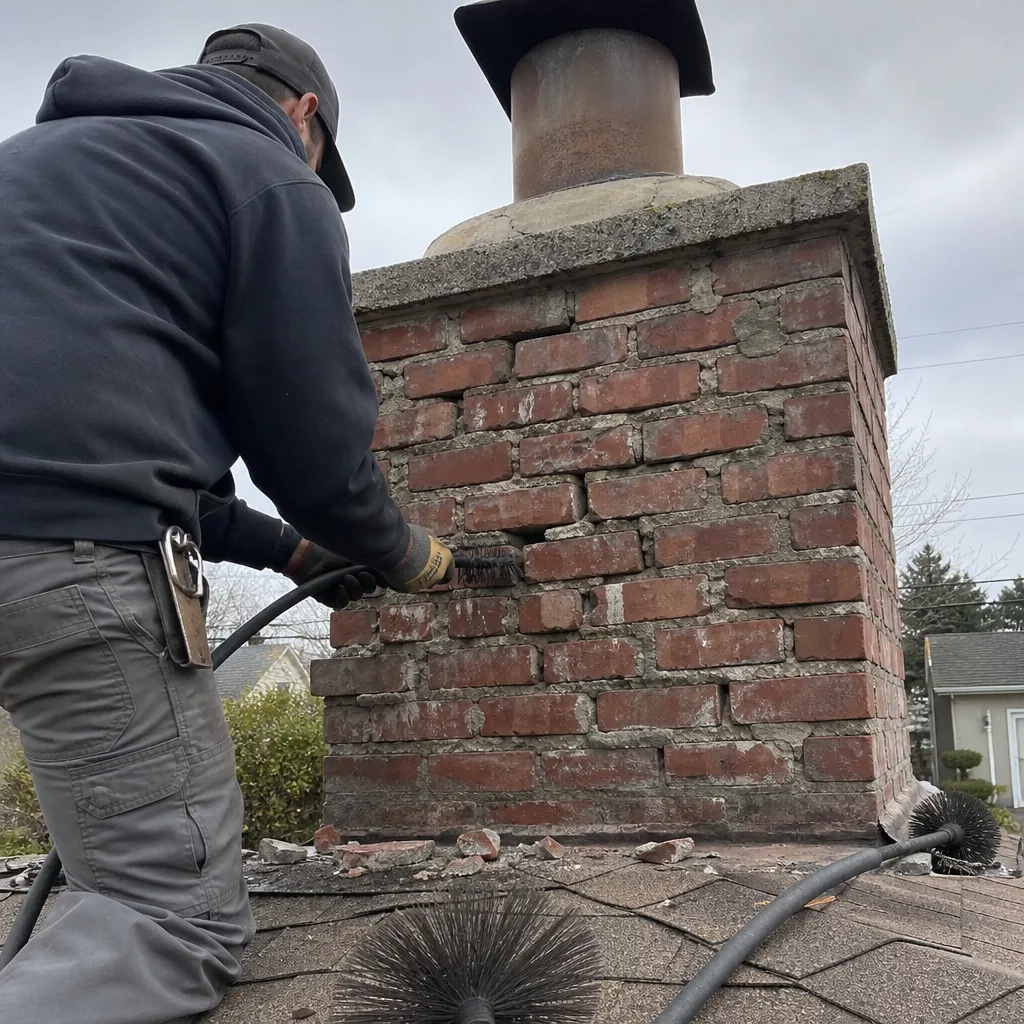 Before
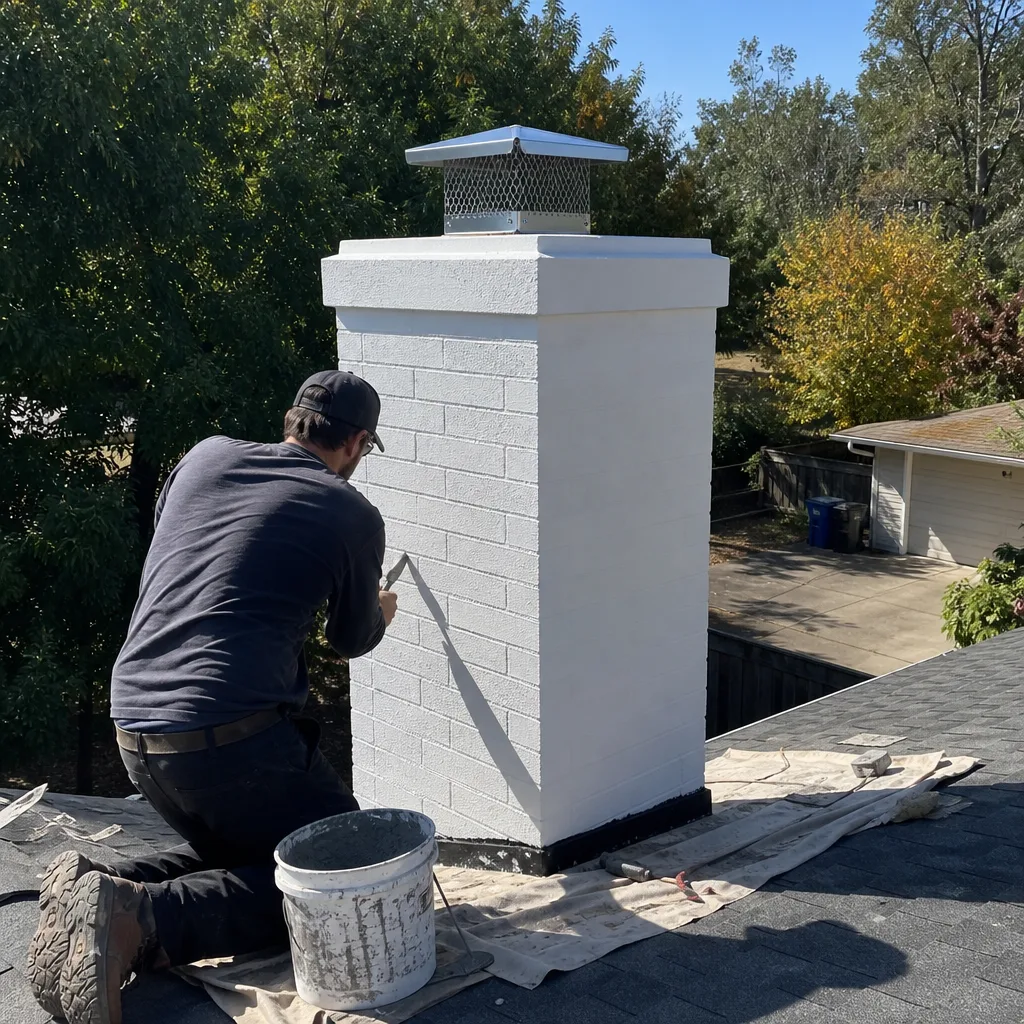 After
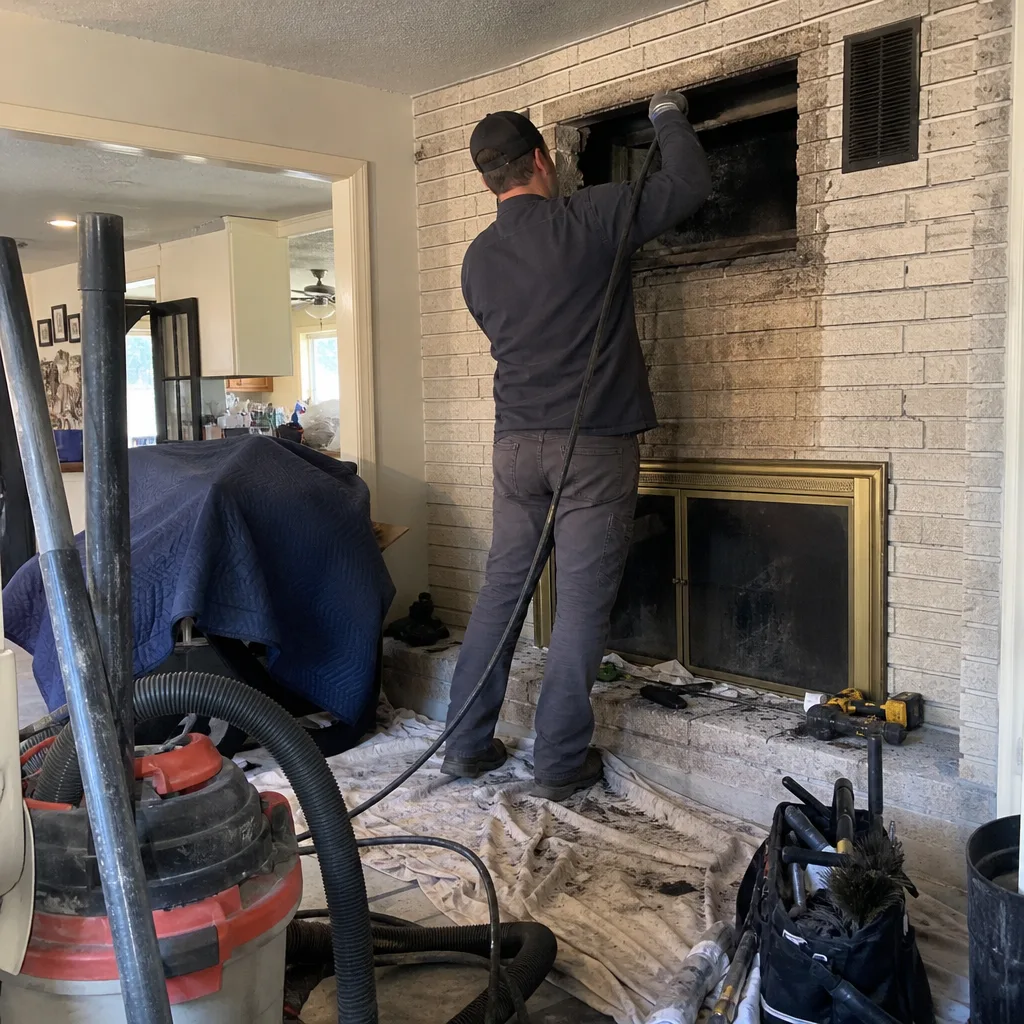
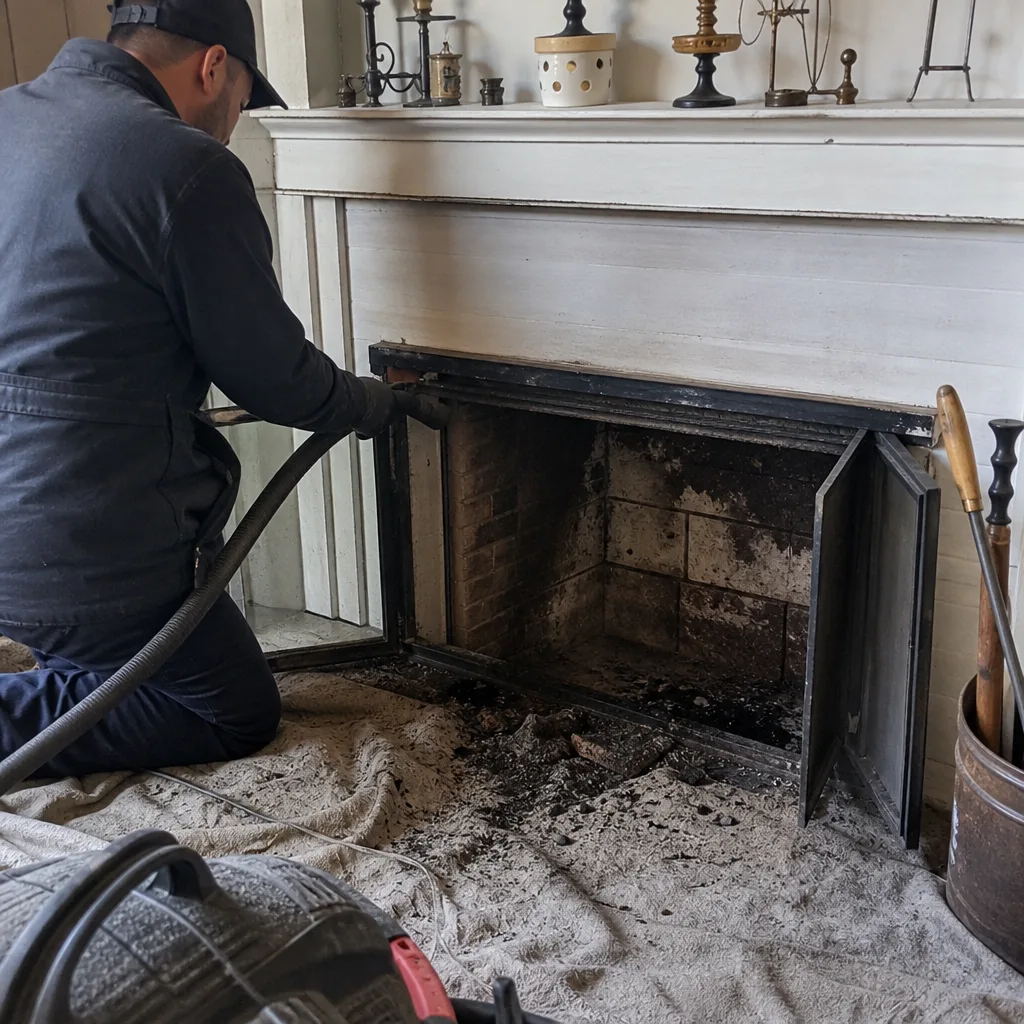 Before
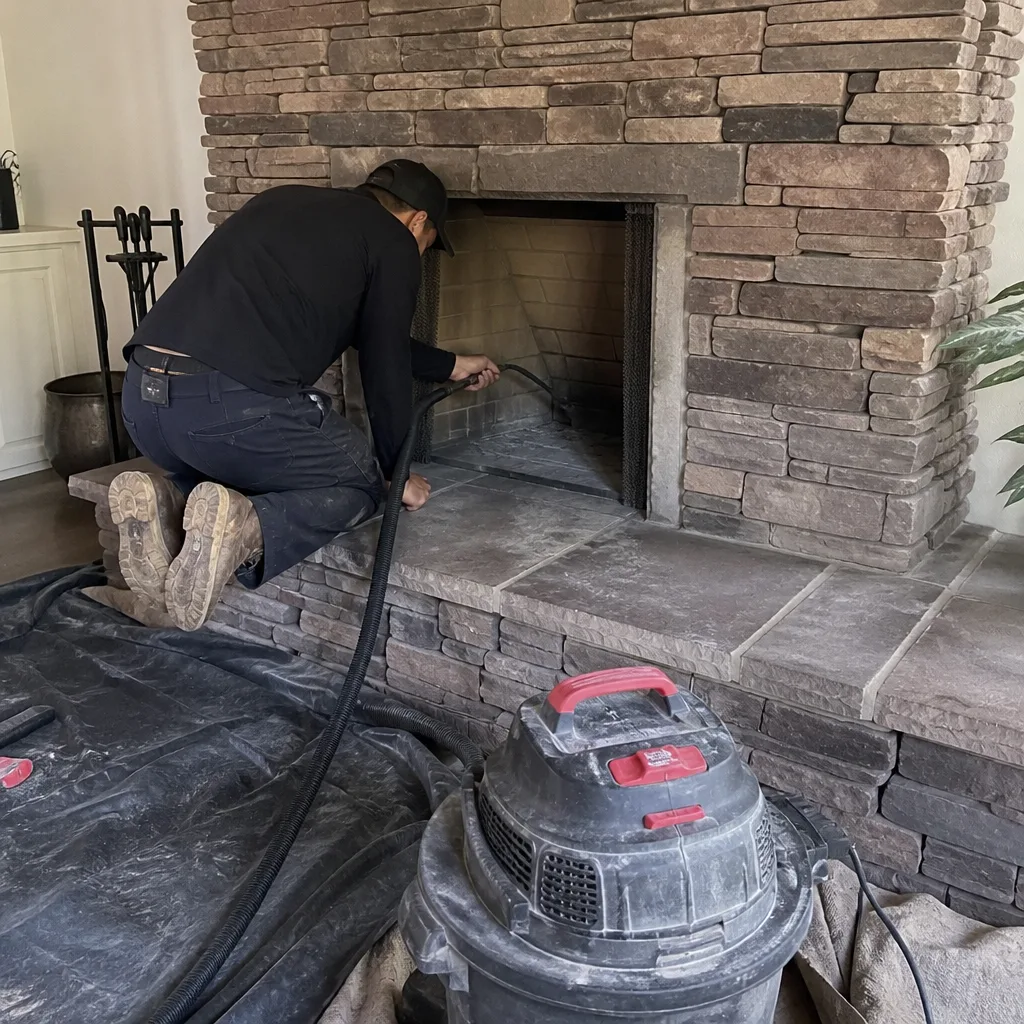 After
 Before
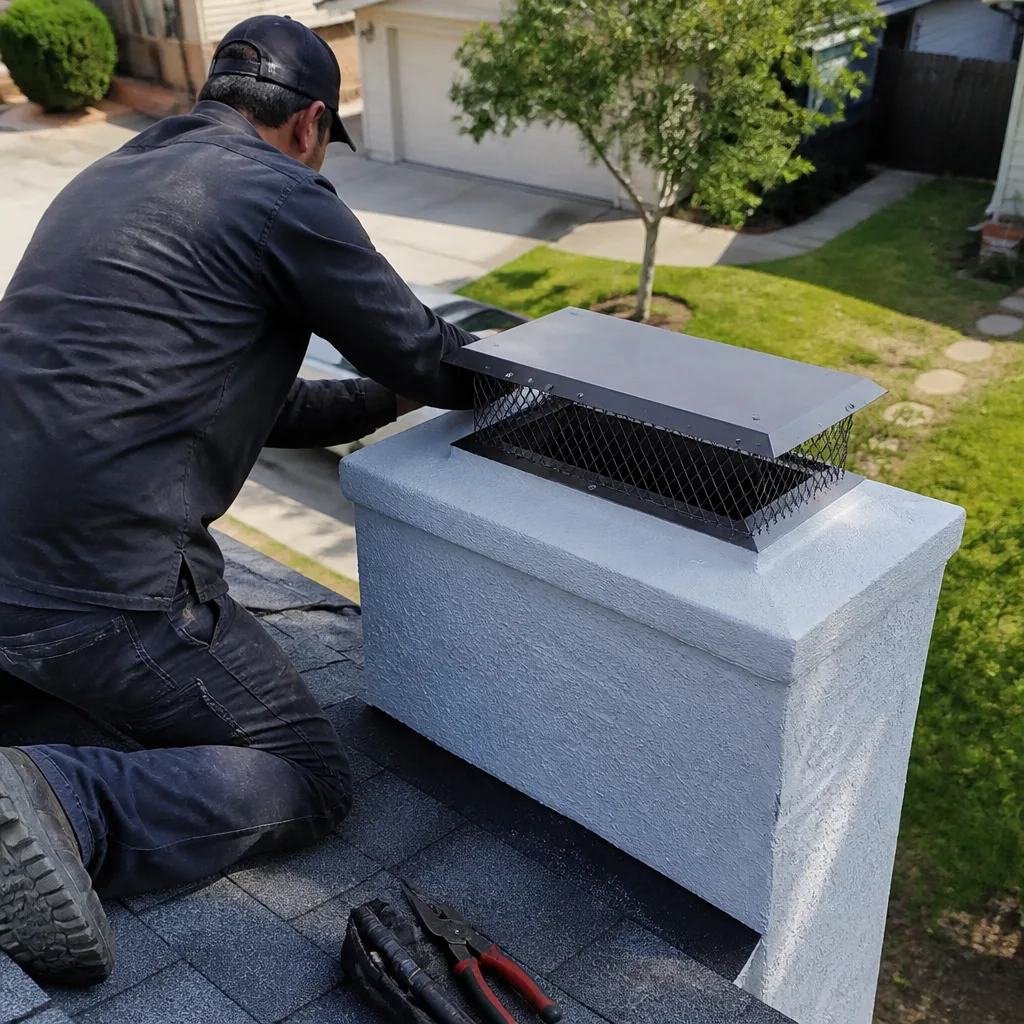 After
When to Call a Professional
Call a professional when the symptom persists after you’ve checked the simple things, or when the symptom involves odor, smoke entering the living space, or visible masonry damage. Animal entry is a professional job, both for humane removal and for safely clearing the nesting material. Any repair recommendation should come with camera evidence, and you should be able to ask what the camera showed and get a direct answer. If the flue tiles are cracked, the discussion turns to HeatShield versus full relining, and that’s a decision worth making with the footage in hand. Chimney Sweep Carmichael offers free estimates in Carmichael – call (833) 593-4469.
Frequently Asked Questions
Humidity causes creosote inside the flue to absorb moisture and release odor back into the room. A professional chimney sweep removes the creosote, and the smell disappears. If the odor smells musty instead of smoky, water is entering the flue through a cracked crown or missing cap, and that’s a moisture repair. Chimney Sweep Carmichael can diagnose both causes and recommend the right fix.
A standard chimney sweep in Carmichael typically ranges from $180 to $340, depending on the chimney’s height, accessibility, and creosote buildup. Inspection, whether visual or camera-based, is usually a separate service and adds $100 to $250. Call (833) 593-4469 for an exact quote – estimates are free.
That depends on the damage the camera scan reveals. Localized flue tile damage can often be restored with HeatShield ceramic resurfacing, which rebuilds the tile in place without full relining. Separated or collapsed tiles require full relining with a stainless system like DuraFlex. A legitimate sweep will show you the footage that justifies the recommendation, and no one should sell you either repair without it.
A wood-burning chimney should be swept when creosote buildup reaches 1/8 inch, which typically happens every 40 to 60 fires, or roughly once per burning season. Gas fireplaces need inspection annually but sweeping less frequently. If the fireplace is used weekly through a Carmichael winter, plan for a sweep every fall before heavy use begins.
Creosote accumulates, the flue narrows, draft falls off, and the chimney becomes a fire risk. Creosote is flammable, and a chimney fire can damage the flue, crack the masonry, and spread to the house structure. In the best case, you’re looking at a more expensive sweep or a lining repair. In the worst case, a structure fire. The sweep is cheap insurance against the repair.
Yes. Chimney Sweep Carmichael offers dryer vent cleaning as a core service, because a clogged dryer vent is the same exhaust-hazard problem as a clogged chimney – it’s one of the leading causes of residential structure fires. One call covers the chimney and the dryer vent, inspected and cleared by the same specialist. Call (833) 593-4469 to schedule both.
The Bottom Line
Chimney problems feel mysterious because the flue is invisible from the living room, but every symptom has a mechanical cause, and most of those causes can be identified with a camera scan and basic pressure testing. The smoky fireplace might need a cap, or it might need a parged smoke chamber. The odor might be creosote, or it might be water. The cracked liner might need HeatShield, or it might need a full DuraFlex reline. Getting this right means working with a specialist who names the cause before the repair, uses professional-grade materials from brands like Gelco, Copperfield, and Olympia Chimney, and shows you the evidence. Chimney Sweep Carmichael home provides that standard – Chimney Sweep in Carmichael, Dryer Vent Cleaning in Carmichael, and Chimney Repair in Carmichael, all from the same specialist team. Call (833) 593-4469 for a free estimate.
Written by the team at Chimney Sweep Carmichael, serving Carmichael since 2012.