
Last updated November 2, 2026
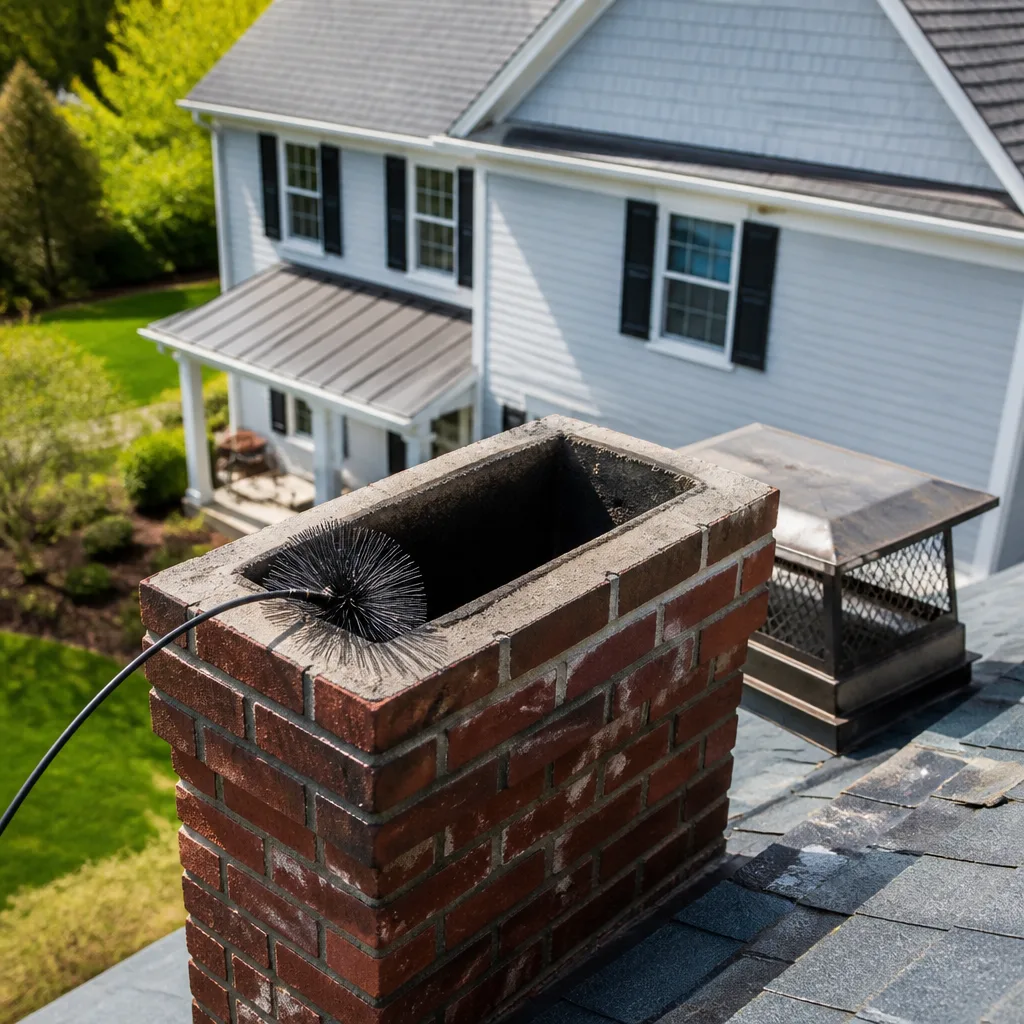 Sweep & inspection
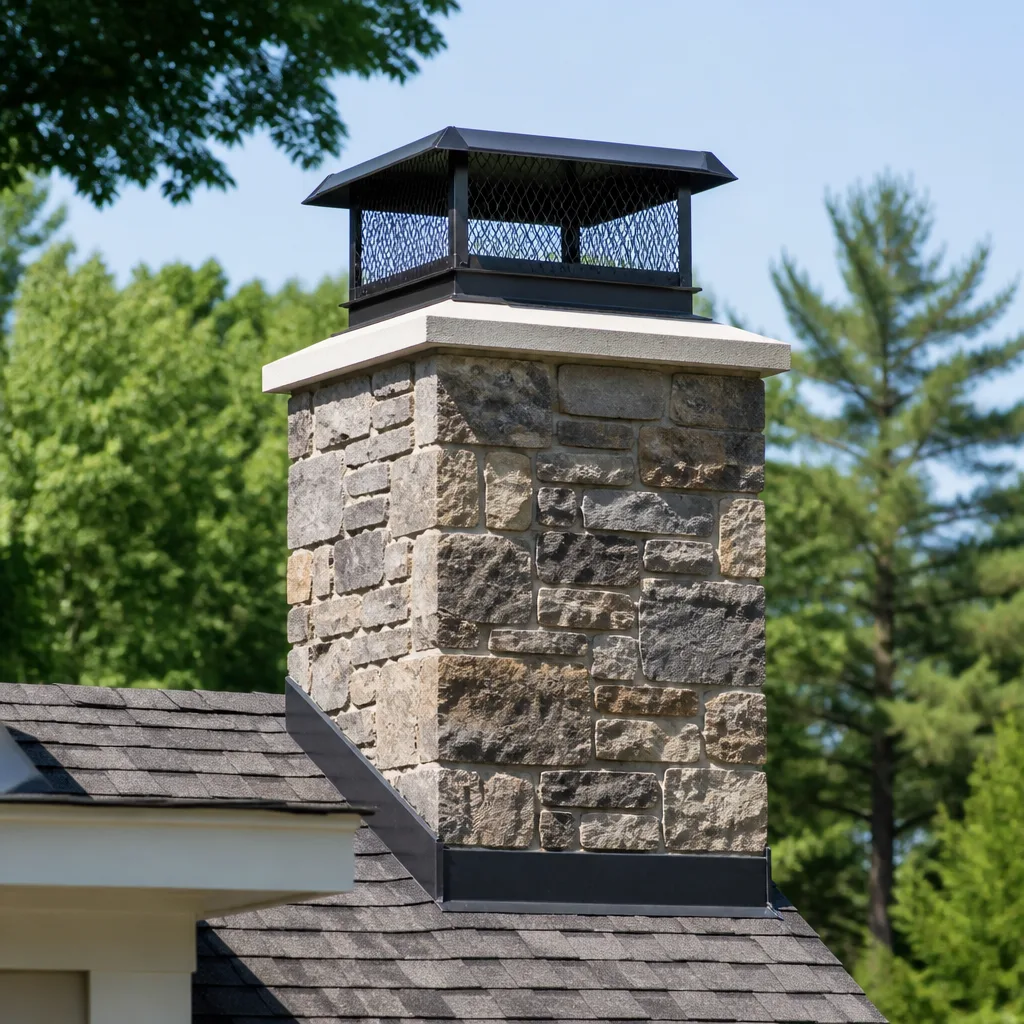 Caps & crowns
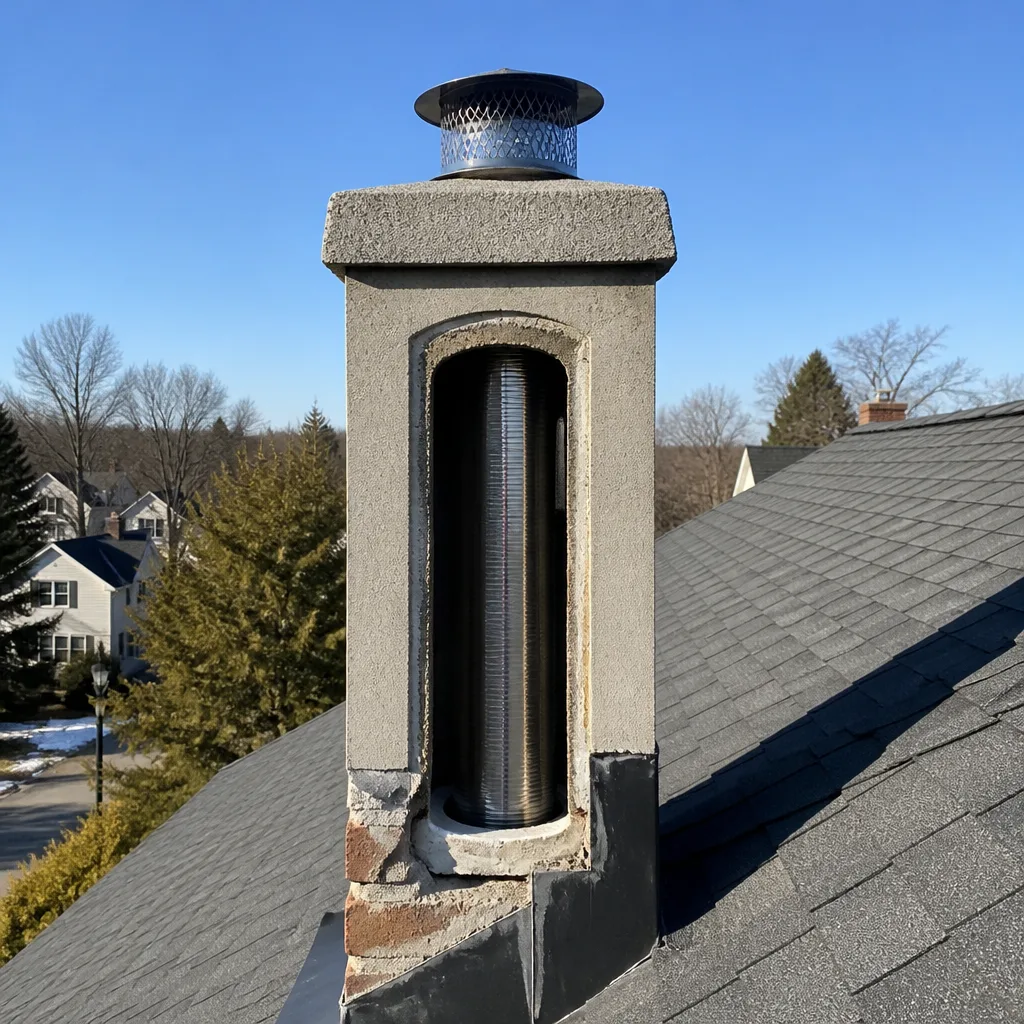 Flue relining
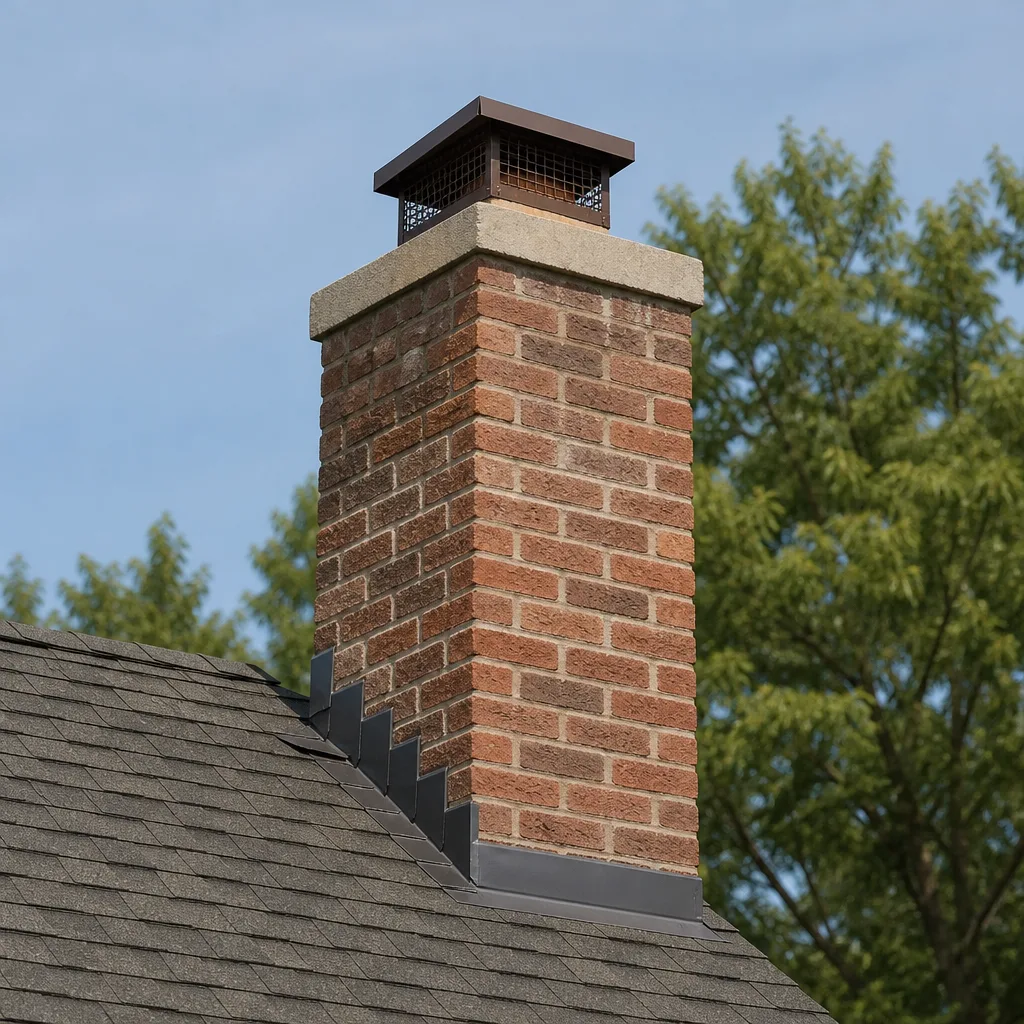 Masonry repair
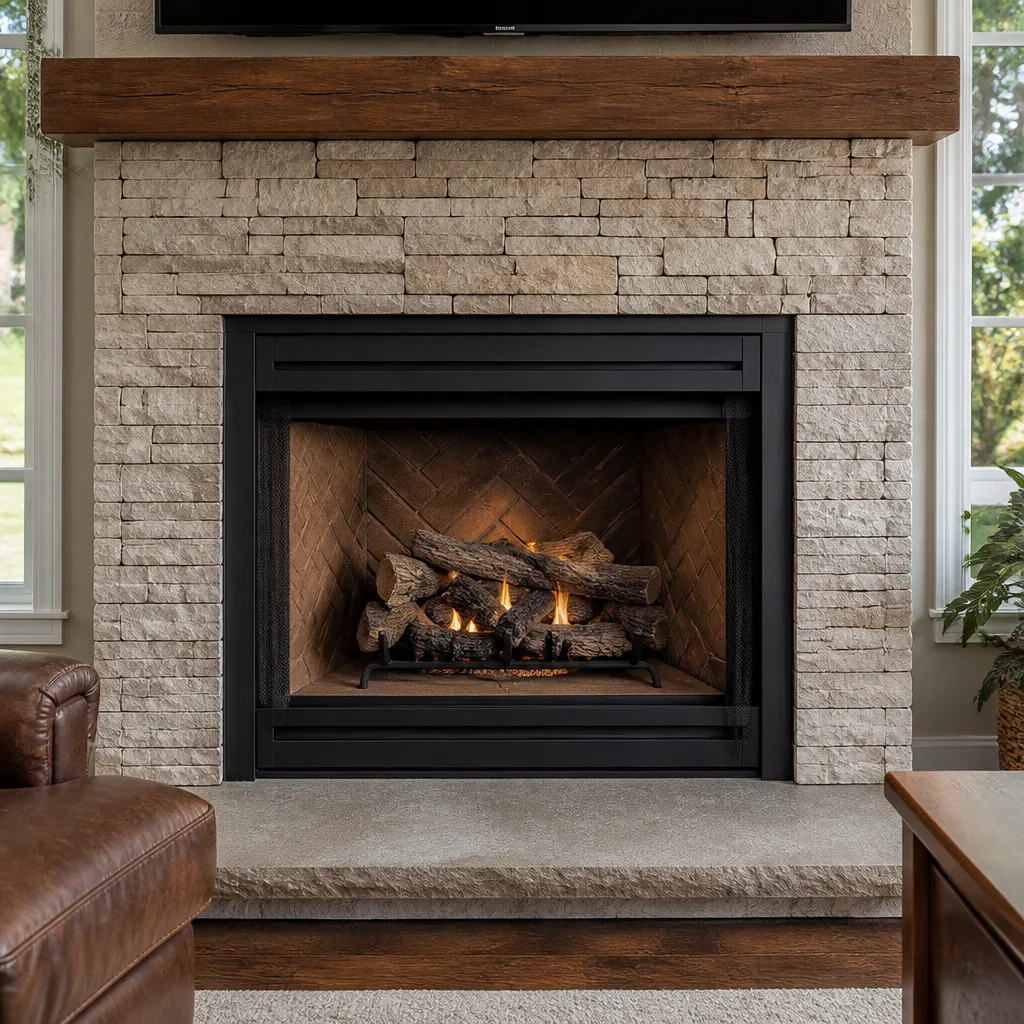 Gas fireplace service
Level 1 sweep and inspection to the NFPA 211 annual standard - flue, crown, cap, and flashing checked and photographed
Chimney sweep logs do not sweep chimneys. They loosen some creosote - which then falls where a brush and vacuum still have to collect it.
Chimney Sweep Maintenance Checklist for Carmichael Homeowners
Every chimney checklist online tells you to look for “white staining on the exterior brick.” Almost none of them tell you that efflorescence on a Carmichael home’s brick chase usually means the crown is failing, not the mortar joints, and that repointing alone won’t fix it. This guide is different. We’re going to walk you through what to check, when to check it, what each finding actually means, and which items you can handle from the ground versus which ones require a camera, roof access, or a certified sweep’s trained eye. If you own a fireplace in Carmichael, this is the maintenance document you’ll return to every fall before burning season starts.
Styles & brands we work with
- Sweep & inspection
- Caps & crowns
- Flue relining
- Masonry repair
- Gas fireplace service
Quick Answer
A complete chimney maintenance checklist for Carmichael homeowners covers four zones: the exterior masonry and crown, the flue interior, the firebox and damper, and the cap and spark arrestor. You should self-assess the exterior and firebox every season, document what you find with dated photos, and schedule a professional Chimney Sweep services and camera inspection once a year before your first fire. Items like flue tile condition, hidden creosote buildup in the smoke chamber, and liner cracks cannot be assessed without specialized equipment, regardless of what any checklist implies.
Table of Contents
- Why Seasonal Timing Matters in Carmichael
- The Ground-Level Visual Checklist (Do This Every Season)
- Inside the Firebox: What to Look for Before Your First Fire
- What Only a Camera Inspection Can Find
- Maintenance Tasks Between Professional Sweeps
- How to Document Findings Across Seasons
- Carmichael-Specific Risk Factors: Wind, Nesting Season, and Older Masonry
- Common Mistakes to Avoid
- When to Call a Professional
- Frequently Asked Questions
- The Bottom Line
Why Seasonal Timing Matters in Carmichael
Carmichael sits in the Sacramento Valley, which means dry, hot summers and cool, damp winters with occasional wind events that push through the American River Parkway corridor. That climate pattern creates two distinct annual threats to your chimney system: summer nesting and winter creosote condensation. Birds, squirrels, and raccoons are actively looking for shelter from late March through August, and your flue is a hollow, warm, protected cavity that reads like a vacancy sign to them. By September, the cap may be packed with nesting material, and the flue itself may house a family that’s now very reluctant to leave.
Winter presents the opposite problem. When temperatures drop into the 30s at night and you’re burning wood with a flue that hasn’t been cleaned, the warm smoke hits cold flue tiles and condenses. The creosote that forms in those conditions is the dense, shiny, Stage 3 variety, the kind most likely to ignite as a chimney fire. Carmichael’s winter temperature swings, with daytime warmth followed by cold nights, make this condensation cycle especially aggressive in unlined or aging masonry chimneys.
The practical takeaway: schedule your professional sweep in late September or early October, after nesting season ends but before the first sustained cold snap. That timing clears out summer debris and removes the creosote that accumulated during last winter’s burns, so you start the season with a clean system. If you use your fireplace more than three times a week during winter, consider a second sweep in January or February. We cover the full seasonal schedule, including what to check after wind events, on our Chimney Sweep in Carmichael page.
The Ground-Level Visual Checklist (Do This Every Season)
You don’t need a ladder or any special tools to catch the most common chimney problems early. What you need is a routine, a pair of binoculars if your roof is steep, and a phone camera. Here’s the four-step ground-level inspection we recommend doing every three months, plus after any significant Sacramento Valley wind event.
- Check the crown from the yard. The crown is the concrete cap at the very top of the chimney that sheds water away from the flue tiles. From ground level you’re looking for visible cracks, pieces missing from the edge, or a crown that’s pulling away from the brick. On older Carmichael homes built in the 1960s and 1970s, crowns are often just a thin mortar wash, and they fail quietly for years before anyone notices. A cracked crown lets water into the chimney structure, and from there it’s a slow-motion deterioration of mortar joints, brick faces, and eventually the flue tiles themselves.
- Look for efflorescence on the brick. That white, chalky staining on your chimney’s exterior is not cosmetic. It means water is moving through the masonry and carrying salts to the surface. On a Carmichael brick chase, efflorescence usually traces back to a failing crown or a missing rain cap, not the mortar joints. If you see it, snapping a photo and noting the date matters more than you’d think. The pattern tells a sweep whether the water entry is at the top of the chimney or somewhere mid-structure.
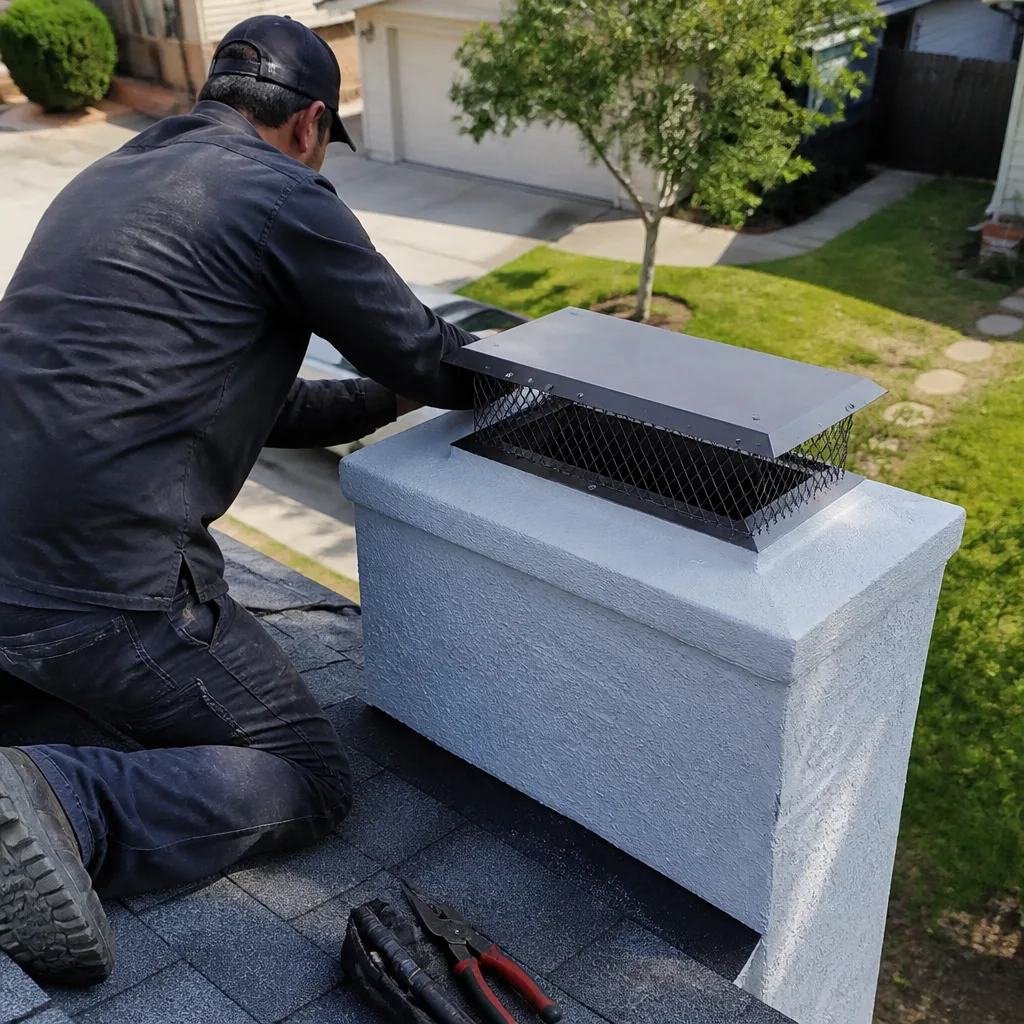
- Check the rain cap and spark arrestor. If you have a cap, look for visible debris stuck in the mesh, dents that suggest a branch hit it during a storm, or rust staining that indicates the cap is past its service life. No cap at all? That’s a problem on its own, because an open flue in Carmichael means rainwater enters directly, animals climb in, and wind-driven embers can exit. A missing cap is also the single most common reason we find drowned fireboxes in spring.
- Scan the flashing where the chimney meets the roof. From the yard, use binoculars if you need to. You’re looking for lifted corners, cracked roofing tar, or flashing that’s pulling away from the brick. Flashing fails gradually, and a leak here shows up first as water stains on the ceiling near the fireplace, sometimes a full season after the rain that caused it. If you catch the flashing lifting before it fails completely, the repair is usually straightforward.
What you’re not doing in this ground-level check is assessing the flue interior, the smoke shelf, or the damper seat. Those require getting inside the firebox or onto the roof, and we’ll cover those separately below.
Inside the Firebox: What to Look for Before Your First Fire
The first cold evening in Carmichael triggers the same routine every year: you open the damper, peer into the dark, and hope for the best. Instead of hoping, work through this five-minute firebox check. It catches the problems that matter before they become safety incidents.
- Look up at the damper with a flashlight. It should open and close smoothly, and when closed, it should seat fully without gaps around the edges. A damper that’s hard to move or won’t close all the way means cold air, smoke, and sometimes birds are getting through year-round. A warped or rusted damper is common in Carmichael homes where the chimney cap is missing, because rainwater falls straight down onto the damper plate and sits there.
- Check the damper for rust and creosote buildup. Rust on the damper means water is getting in from above. Creosote buildup on the damper frame means you’re burning wood that’s too wet, closing the damper too early, or overdue for a sweep. If you can scrape creosote off with a fingernail and it comes off as thick black flakes, the flue above you almost certainly has heavier buildup that needs professional removal.
- Inspect the firebrick at the back and sides. Firebrick cracks are normal over time, but gaps wider than a quarter inch, bricks that have shifted out of position, or missing firebrick exposing the masonry behind are all signs the firebox is due for repair. A deteriorated firebox lets heat reach combustible framing materials, and that’s not a repair to postpone.
- Brush down the smoke shelf with the damper open. The smoke shelf is the flat area just above the damper, and it’s where loosened creosote, dead leaves, and the occasional dead bird collect. Use a stiff brush and a shop vacuum, and work carefully. This is a task between sweeps, not a replacement for one. The smoke shelf accumulates debris faster in Carmichael because of the wind events that push fine material down an uncapped or under-capped flue.
- Check for water staining on the firebox floor. A water line or rust stain across the firebox floor means water is entering through the flue or the cap. This is the evidence you photograph and show your sweep. It tells them where to start looking on the roof, and it tells you whether you’re dealing with a simple cap replacement or something more involved like a crown rebuild or flashing repair.
If any of these five items turns up something you don’t understand, that’s exactly what a camera inspection is for. You don’t need to diagnose it yourself. You need to know enough to ask the right question.
What Only a Camera Inspection Can Find
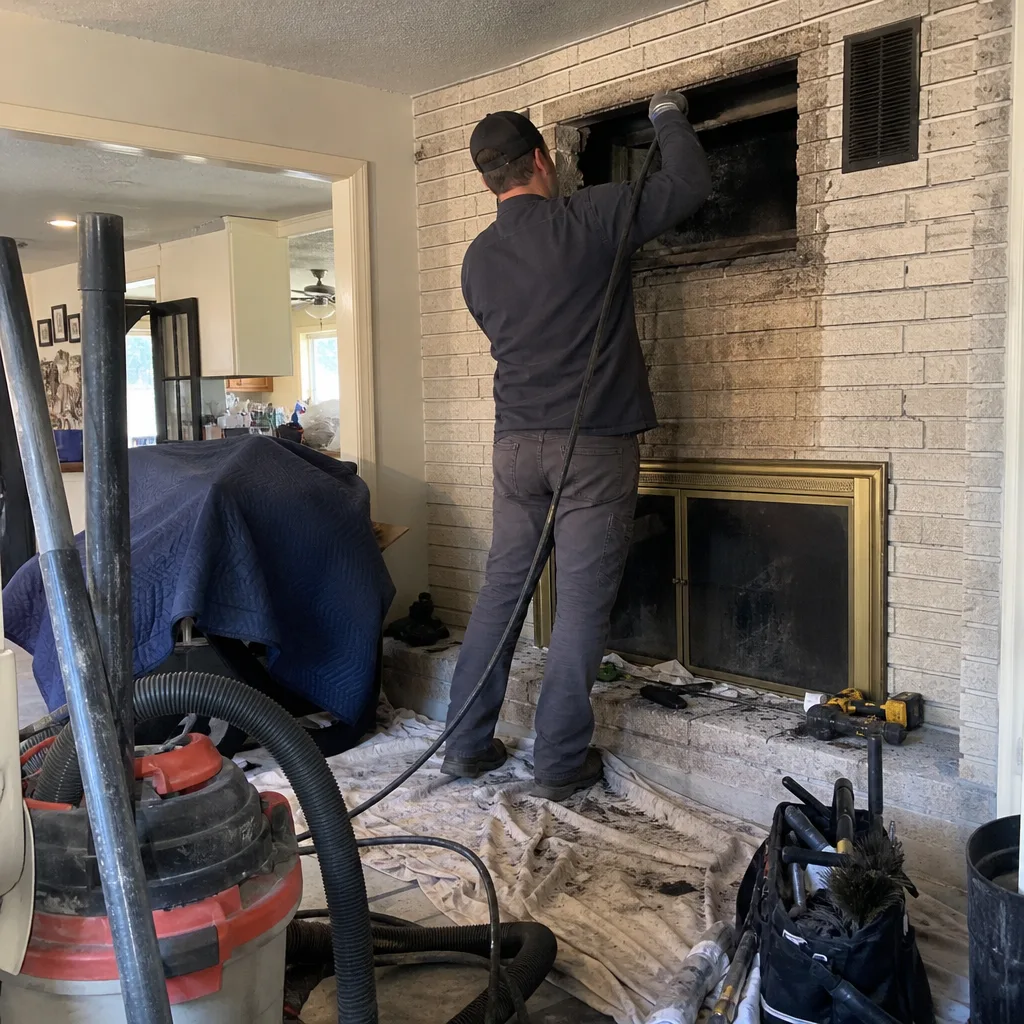
Here’s the honest limitation of every DIY chimney maintenance checklist, including this one: you cannot see the flue interior from the firebox, and you cannot assess it from the yard. The flue is a narrow, dark, vertical passage that runs the full height of your chimney, and most of what goes wrong inside it is invisible until it fails. A chimney sweep uses a camera fed through the flue to document the interior in real time, and that footage matters more than any other single maintenance action you take this year. For Chimney Sweep Troubleshooting: Common Problems and How to Fix Them, start with what the camera reveals.
Specifically, a camera inspection catches four things that cannot be found any other way:
- Cracked or spalled flue tiles. Masonry flue tiles crack under the stress of chimney fires, freeze-thaw cycles, and thermal expansion. A cracked tile can be invisible from both the top and bottom of the flue. The camera sees it. This matters because flue tile cracks are the primary route for heat and combustion gases to reach the chimney structure and the home’s framing.
- Creosote thickness and stage. A sweep can estimate creosote buildup from the firebox, but the camera confirms how thick it is at every point along the flue, including the upper third where buildup is often worst due to cooling and condensation in that zone. This is especially relevant in Carmichael, where nighttime temperature drops accelerate creosote condensation near the top of the flue.
- Smoke chamber deterioration. The smoke chamber is the transition zone above the damper where the flue widens. In older Carmichael chimneys, smoke chamber walls are often corbeled brick that was never parged, or parged with a material that’s now crumbling. Loose material here traps creosote and creates a fire hazard. It’s out of reach of standard brushes and invisible from the firebox.
- Animal intrusion and blockage. A nesting skeleton, a raccoon, a squirrel midden, or a decade of leaves packed into the smoke chamber will not be visible from the ground. Neither will a partial blockage from a dislodged clay tile. Each of these is a different hazard, and each has a different fix. The camera tells you which one you have.
We have seen Carmichael homes where the homeowner swept the firebox religiously every fall, had a clean-looking brick exterior, and discovered a flue with a hairline crack running four feet down the length of it only because a camera was used. That’s not rare. It’s common enough that we treat the camera inspection as non-negotiable for any annual sweep, and we explain what we find because you should not have to take a repair recommendation on faith. You can see the footage yourself.
Maintenance Tasks Between Professional Sweeps
An annual professional sweep is not the only maintenance your chimney needs. Between visits, there are three tasks you should handle yourself, and each has a specific correct method and a specific wrong method. Here’s what we recommend, based on what we see in Carmichael homes where homeowners were doing their best but using the wrong tool for the job. See also our Choosing the Right Chimney Cleaning Brand: A Buyer’s Guide for Carmichael for equipment guidance.
Cap and Spark Arrestor Cleaning
If your cap has a mesh spark arrestor, that mesh clogs. Debris from Carmichael’s oaks and sycamores, ash from your fires, and fine particulates from Sacramento Valley air all collect in the mesh and restrict draft. A clogged spark arrestor makes your fireplace smoke back into the room, and the usual homeowner response, opening a window or adjusting the damper, doesn’t fix it. The fix is cleaning the mesh, which requires roof access. If you’re comfortable on a single-story roof with a proper ladder and fall protection, you can brush the mesh with a stiff nylon brush. If you’re not, this is a five-minute job for a sweep, and there’s no shame in calling it. We do not recommend doing this from a ladder alone, and we don’t recommend it on any roof with a pitch steeper than 6/12.
Damper Lubrication and Exercise
Dampers that sit unused for months seize up, and Carmichael’s wet winters make rusted damper hinges a recurring problem. Open and close your damper fully once a month even when you’re not using the fireplace, and apply a high-temperature graphite lubricant to the hinge points where they’re accessible. Do not use household oil. Do not use WD-40. Both burn off, leave residue, and make the problem worse. Graphite is the correct lubricant for this application, and a small tube lasts years.
Smoke Shelf Brushing
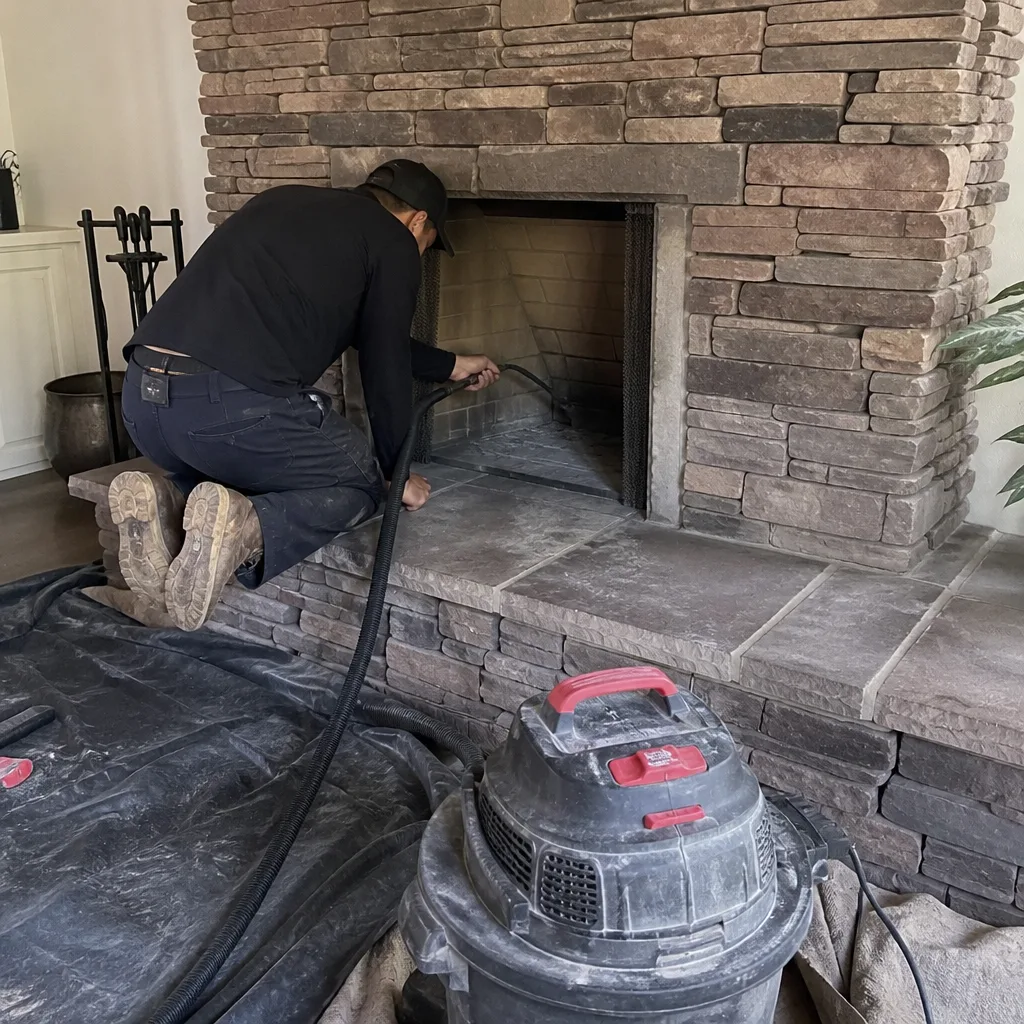
We covered this in the firebox section above, but it bears repeating as a between-sweeps task. With the damper open, use a stiff chimney brush and a shop vacuum to clear loose material from the smoke shelf. Wear a dust mask and eye protection. Position the vacuum nozzle just below the smoke shelf to catch falling debris. You’re not cleaning the flue, you’re removing what’s already fallen. Anything still adhered to the flue walls above is the sweep’s job.
If you’re handling dryer vent maintenance too, our Dryer Vent Cleaning in Carmichael page covers what to check monthly and what that system’s warning signs look like. Different exhaust system, different checklist, same principle: catch the small problem before it becomes a fire.
How to Document Findings Across Seasons
The most valuable chimney maintenance habit you can build costs nothing and takes three minutes per season. It’s simply taking dated photos and notes, then comparing them over time. What you’re looking for is a trend, not a single finding. A hairline crack that stays the same size for three years tells a different story than a crack that widens every season. Efflorescence that appears once and never grows tells a different story than staining that spreads across the brick face by inches each year.
Here’s the documentation system we suggest for Carmichael homeowners:
- Create a dedicated folder on your phone. Call it “Chimney” and add to it every season. Photos of the crown, the flashing, the firebox, the damper, and any stains or cracks you’re watching. A month and year in the filename or a simple note app entry alongside it is all you need.
- Shoot the same angles every time. Stand in the same spot in the yard for the exterior shots. Shoot the firebox from the same kneeling position. Same framing, same lighting if you can manage it. When photos are taken from different angles, subtle changes over time are hard to track.
- Note anything unusual in one sentence. “Damper is harder to close than last spring.” “New crack visible in crown, about two inches long.” “Smelled smoke in the house during last burn.” These notes become the baseline your sweep works from, and they’re more reliable than memory when the sweep asks “when did you first notice that?”
- Bring the photos to your annual sweep appointment. The sweep sees the chimney one day a year. You see it every season. Your dated photos give them context that makes the annual visit far more useful, and they’ll be able to identify changed conditions quickly.
This documentation habit matters especially for homes with older masonry chimneys, which covers a significant share of Carmichael’s housing stock. A chimney built in 1965, 1975, or 1985 is now decades into its service life, and the deterioration that matters is almost always a gradual trend, not a sudden event. The homeowners who catch problems early are the ones with photos that prove the change.
Carmichael-Specific Risk Factors: Wind, Nesting Season, and Older Masonry
Carmichael’s location in the northeastern Sacramento metro area puts it right in the path of the region’s dominant wind patterns, especially the gusts that funnel down from the foothills and sweep across the valley floor. Those winds drive debris into uncapped chimneys, stress aging flashing, and accelerate the drying and cracking of exposed mortar. A crown that would last twenty years in a calmer climate can start spalling in fifteen here, purely from the combination of wind-driven rain and freeze-thaw cycling.
Nesting season follows a predictable calendar. From March through August, the uncapped flue on your Carmichael home is prime real estate for birds and squirrels, and by September the damage is done. The rule is simple: check the cap and the area around it after nesting season ends, even if you didn’t use the fireplace all summer. A nest built in May can sit there unnoticed until your first fire in November, and then you have both a chimney fire risk and an animal welfare problem on your hands.
Older masonry is the third factor specific to this area. Carmichael grew substantially in the 1960s through the 1980s, and many homes from that era have chimneys built with the materials and methods of the time: unparged smoke chambers, thin mortar crowns instead of proper poured concrete, and clay flue tiles that have now been through decades of thermal cycling. These chimneys were built to last, but they were not built to last forever without intervention. If your home falls into this age range and you’ve never had a camera inspection, the odds that there’s something worth documenting inside that flue are not in your favor. The good news is that most of what we find in these chimneys is still repairable, including flue restoration methods that don’t require a full reline. Our Chimney Repair in Carmichael page explains the repair options available, including HeatShield resurfacing for deteriorated flue tiles.
Common Mistakes to Avoid
- Assuming a clean firebox means a clean flue. Creosote builds in the upper third of the flue first, where smoke cools and condenses. The firebox can look spotless while the flue above it carries a dangerous load. Only a brush or camera sees what’s actually up there.
- Repointing mortar joints when the crown is the failure point. If water is entering from a cracked crown, fixing the mortar joints will not stop the damage. The crown comes first. In Carmichael, the pattern of efflorescence on the brick usually points to the crown as the primary problem.
- Skipping the annual sweep because “we only use it a few times a year.” Animal intrusion, water damage, and gradual flue deterioration happen whether or not you burn. A rarely used chimney filled with a squirrel nest is more dangerous on your first fire than a regularly swept chimney used daily.
- Leaving the damper open or closed year-round without thinking. Open means conditioned air escapes and animals enter. Permanently closed means moisture trapped inside. The damper should be fully open during fires, fully closed when the fire is out and cold, and exercised monthly to keep it functional.
- Treating a smoky fireplace as normal. Smoke entering the room is never normal. It means draft is restricted, the damper is malfunctioning, the flue is blocked, or negative pressure in the home is pulling smoke backward. The fix starts with finding the cause, not with opening a window and hoping.
- Delaying a repair because the problem “looks small.” A hairline flue tile crack is not small. The firebox joint that’s wood-framed behind your brick is not far away. A two-inch piece of missing crown edge is not a cosmetic issue. Small chimney problems become expensive chimney problems quietly, and the gap between “fixable now” and “full rebuild” is often one season.
When to Call a Professional
Call a professional when your seasonal checklist turns up something you can’t confidently explain: efflorescence that’s spreading, a damper that won’t seat, water staining in the firebox, creosote you can flake off with a fingernail, or a cap that’s missing or damaged. Call after any chimney fire, even a small one, because the thermal stress may have cracked flue tiles invisibly. Call if you smell smoke in the house when the fireplace is cold, which can indicate a flue obstruction or negative pressure problem. And call if it’s simply been more than a year since anyone looked at the flue with a camera. Chimney Sweep Carmichael home services cover all of these scenarios, and we offer free estimates in Carmichael. Call (833) 593-4469 to schedule.
Frequently Asked Questions
A wood-burning fireplace in Carmichael should be swept once a year at minimum, ideally in late September or early October before the burning season begins. Homes that burn more than three times a week through winter, burn green or unseasoned wood, or have an older masonry chimney may need a second sweep mid-season. Gas fireplaces need less frequent cleaning but still require annual inspection for venting integrity and carbon monoxide safety. Call (833) 593-4469 for a recommendation specific to your fireplace and burning habits.
A thorough annual sweep includes the flue brushing itself, a camera inspection of the flue interior, a check of the crown, cap, and spark arrestor, damper function testing, firebox assessment, and smoke shelf cleaning. At Chimney Sweep Carmichael, we document findings with the camera so you can see exactly what the flue looks like and understand any repair recommendation before you hear a price. Estimates are free at (833) 593-4469.
Yes, if you want to catch flue tile cracks, hidden creosote, and animal intrusion before they become hazards. The camera inspection is the only way to see the flue interior, and it’s the part of the annual visit that most often changes the maintenance plan. A flue that looks fine from the top and bottom can have a developing crack mid-flue that only the camera reveals. We recommend it every year for wood-burning fireplaces, and at minimum every two years for gas.
Chimney sweep pricing in Carmichael typically ranges from $180 to $350 for a standard open-flue masonry fireplace, with the cost determined by the level of creosote buildup, flue height, and accessibility. Repairs and camera-documented findings are quoted separately after the sweep, and nothing is recommended without visual evidence you can see for yourself. For a current price on your specific chimney, call (833) 593-4469.
In the best case, nothing visible happens and you’ve lost a year of trend documentation from the camera record. In the worst case, a creosote fire starts undetected in the upper flue, a blocked flue pushes carbon monoxide back into the home, or a cracked flue tile allows heat to reach combustible framing. The risk compounds with each skipped year, and older Carmichael masonry chimneys are the ones least likely to tolerate neglect gracefully. A skipped year is a gamble, and the cost of losing that gamble is measured in structure fires and carbon monoxide exposure.
You can, but you shouldn’t, for the same reason you shouldn’t diagnose your own chimney with a flashlight from the firebox: you can’t see what’s above you, and the tools sold at hardware stores are incomplete for the job. A proper sweep uses brushes sized to your specific flue dimensions, access from the roof or firebox with proper containment, and a camera to document what was found. More importantly, a homeowner brushing a flue with no camera is removing creosote without learning why it built up in the first place. The annual sweep cost is an inspection that includes a cleaning, not the other way around.
The Bottom Line
Your Carmichael chimney is a system with moving parts, exposure to weather, animal pressure, and thermal stress, and it rewards attention in proportion to how much you give it. The checklist is not complicated: check the exterior every season, check the firebox before your first burn, document what you see, and hire a sweep once a year with a camera. For more guides & resources, explore our blog. What you cannot see is what hurts you, and what you document is what saves you. If you’re in Carmichael and want a professional camera inspection, a sweep, or an honest answer to a chimney question, we’re here. Call (833) 593-4469 and we’ll work through what you’re seeing together.
Written by the team at Chimney Sweep Carmichael, serving Carmichael since 2012.
See the difference
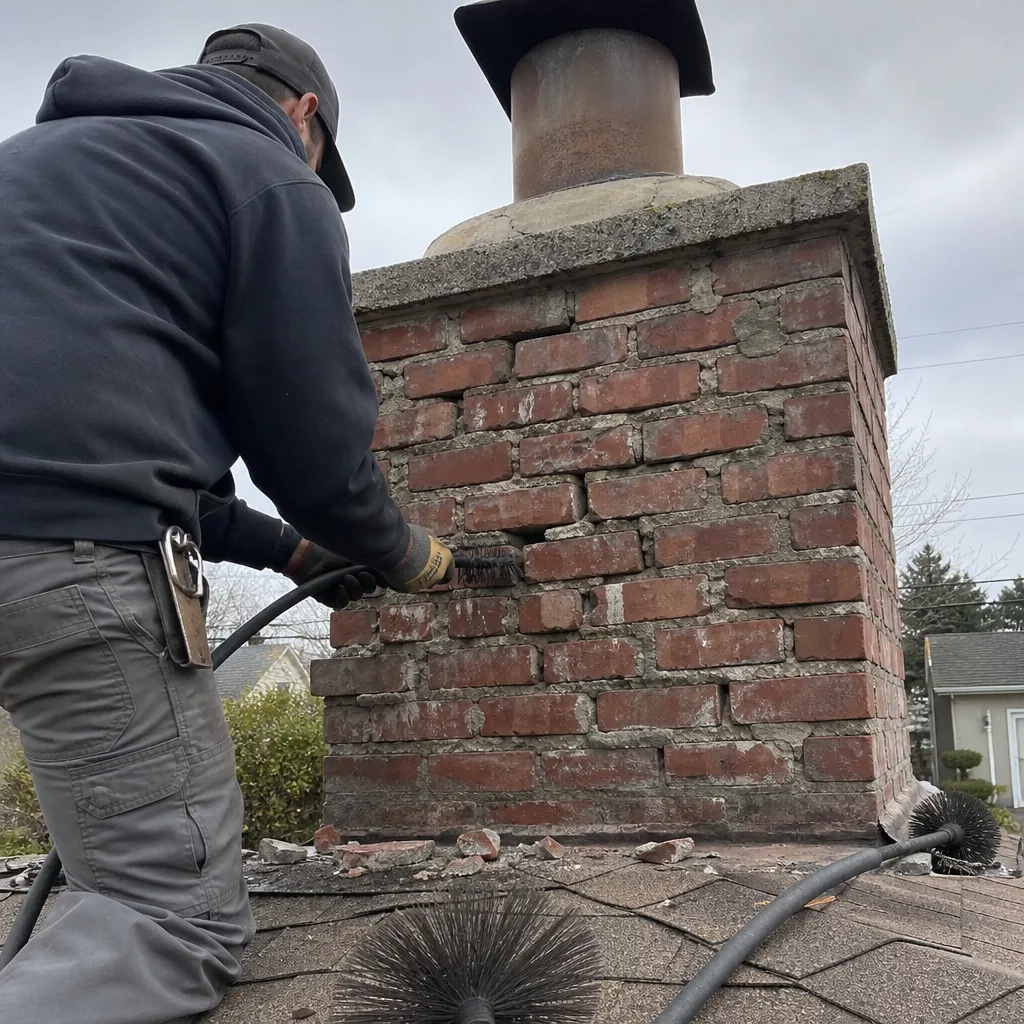 Before
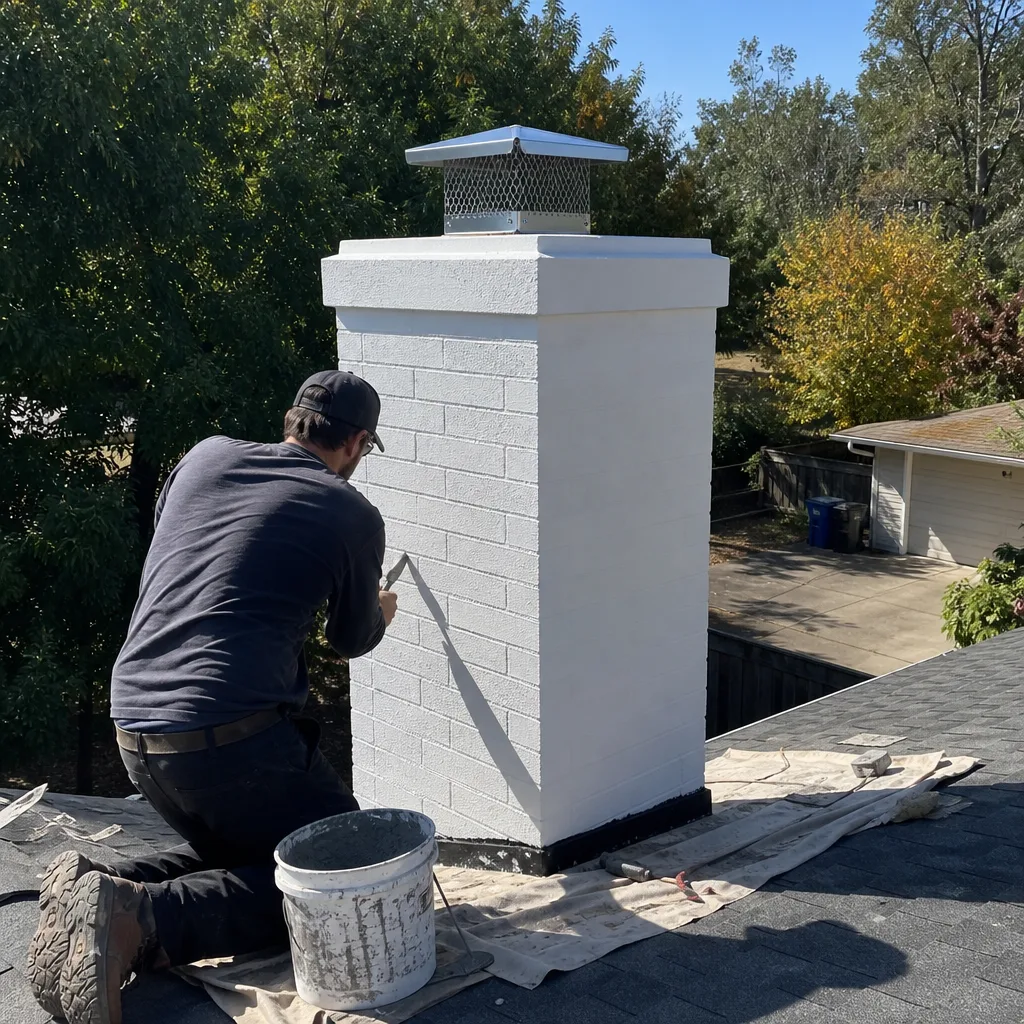 After
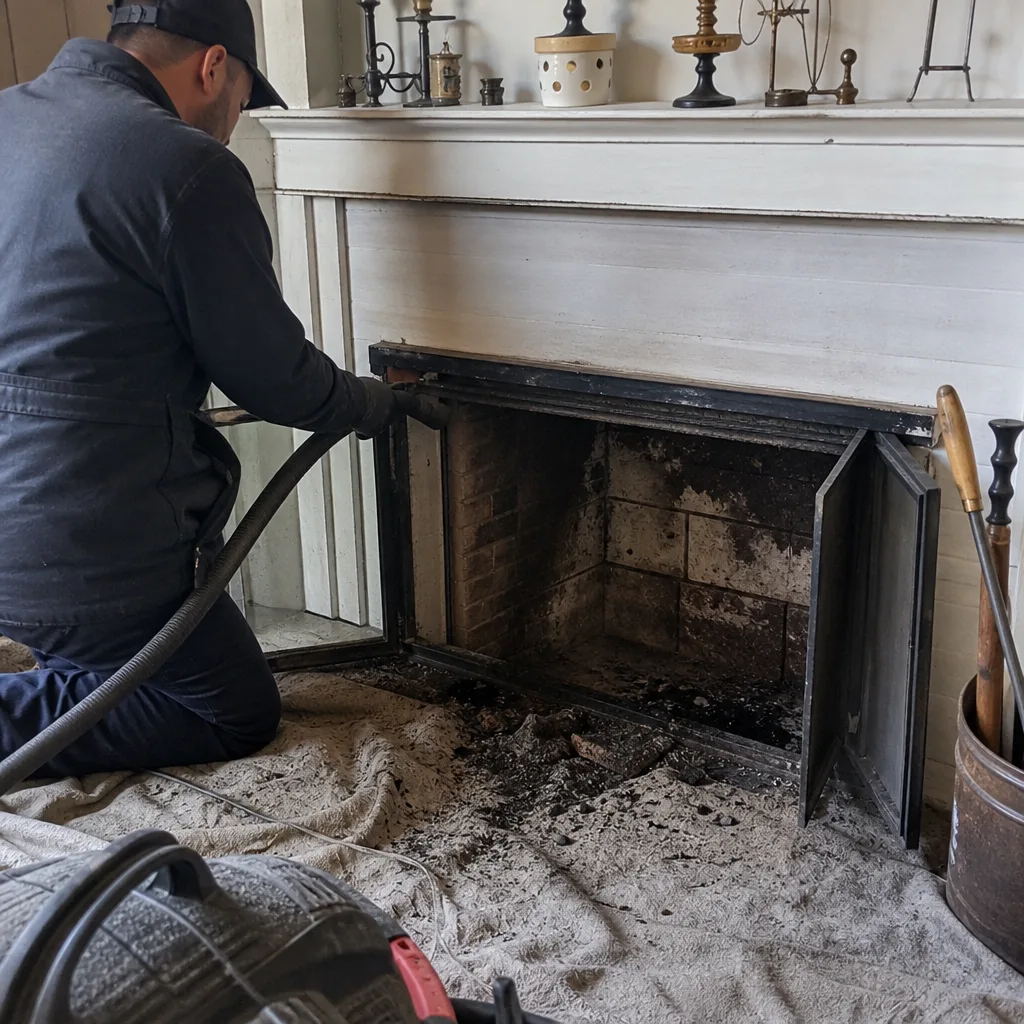 Before
 After
 Before
 After