
Last updated November 2, 2026
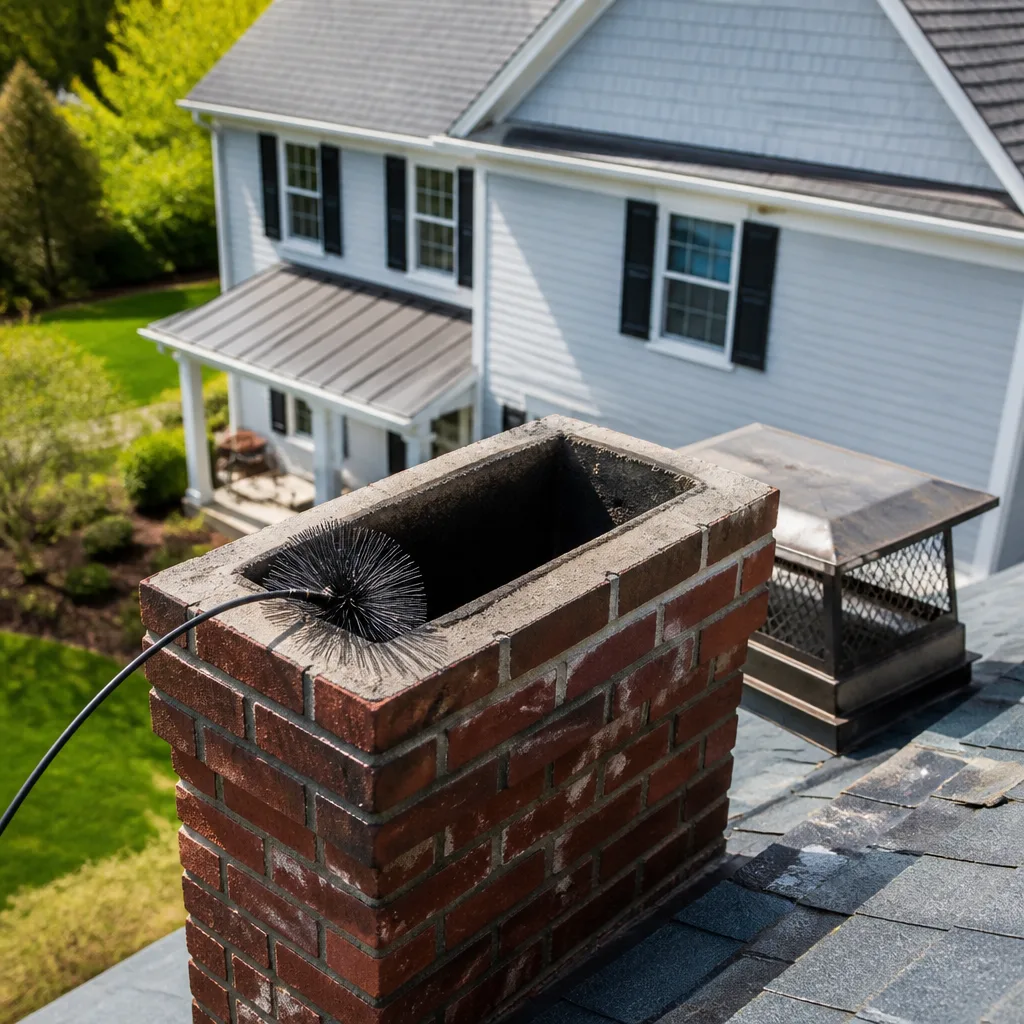 Sweep & inspection
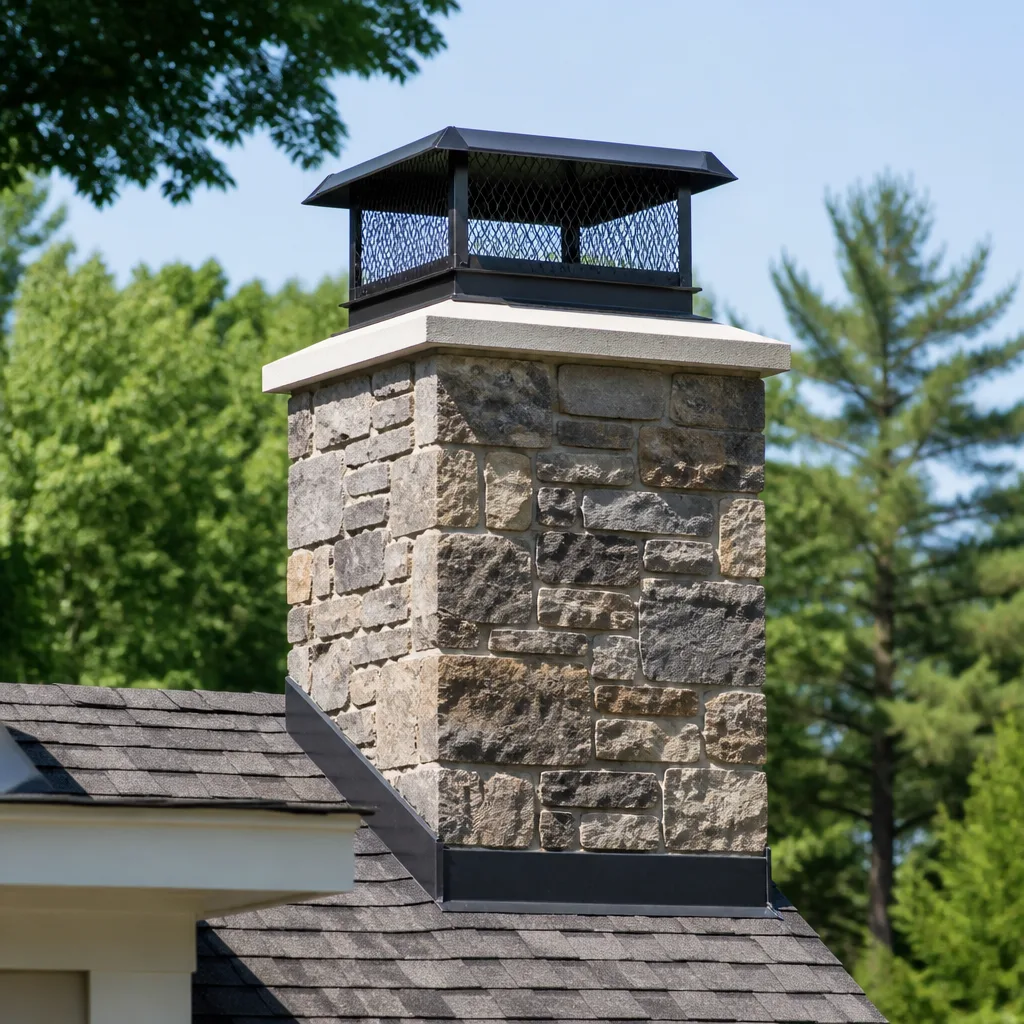 Caps & crowns
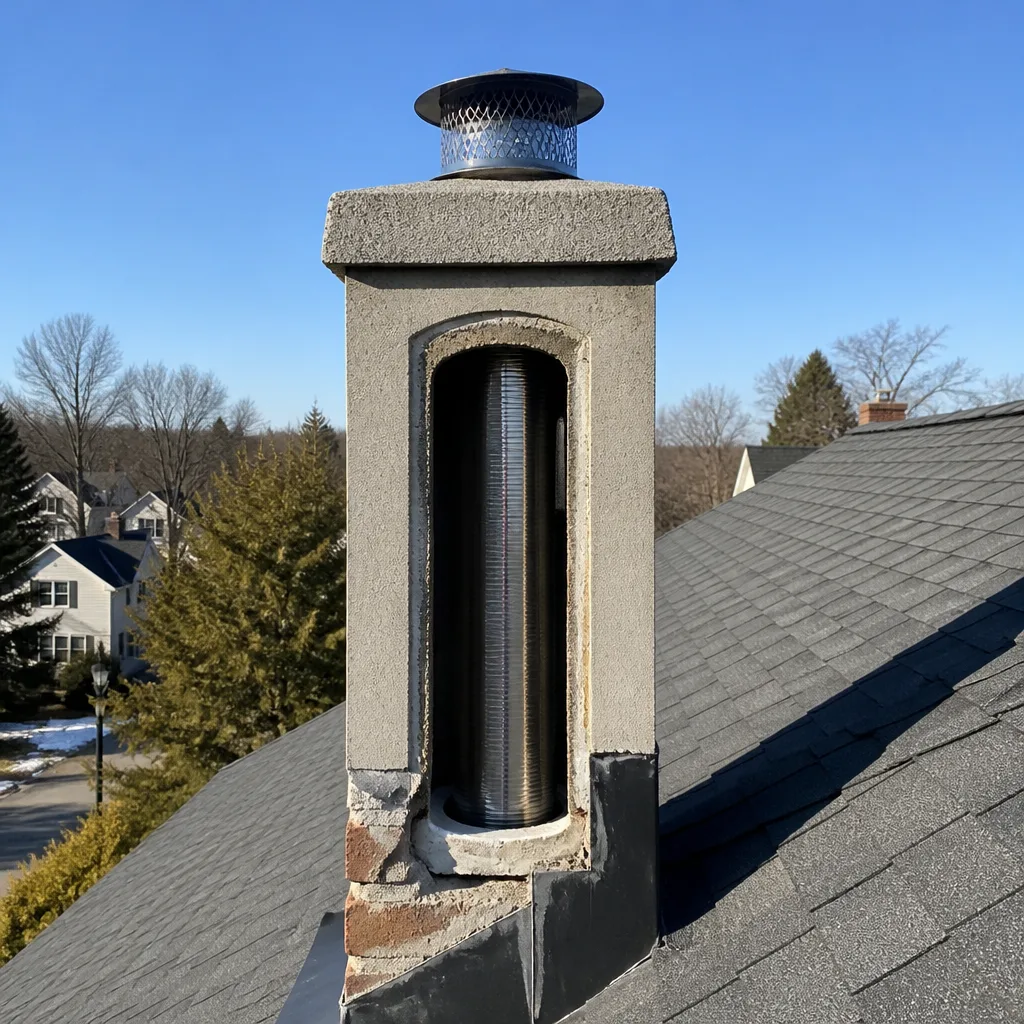 Flue relining
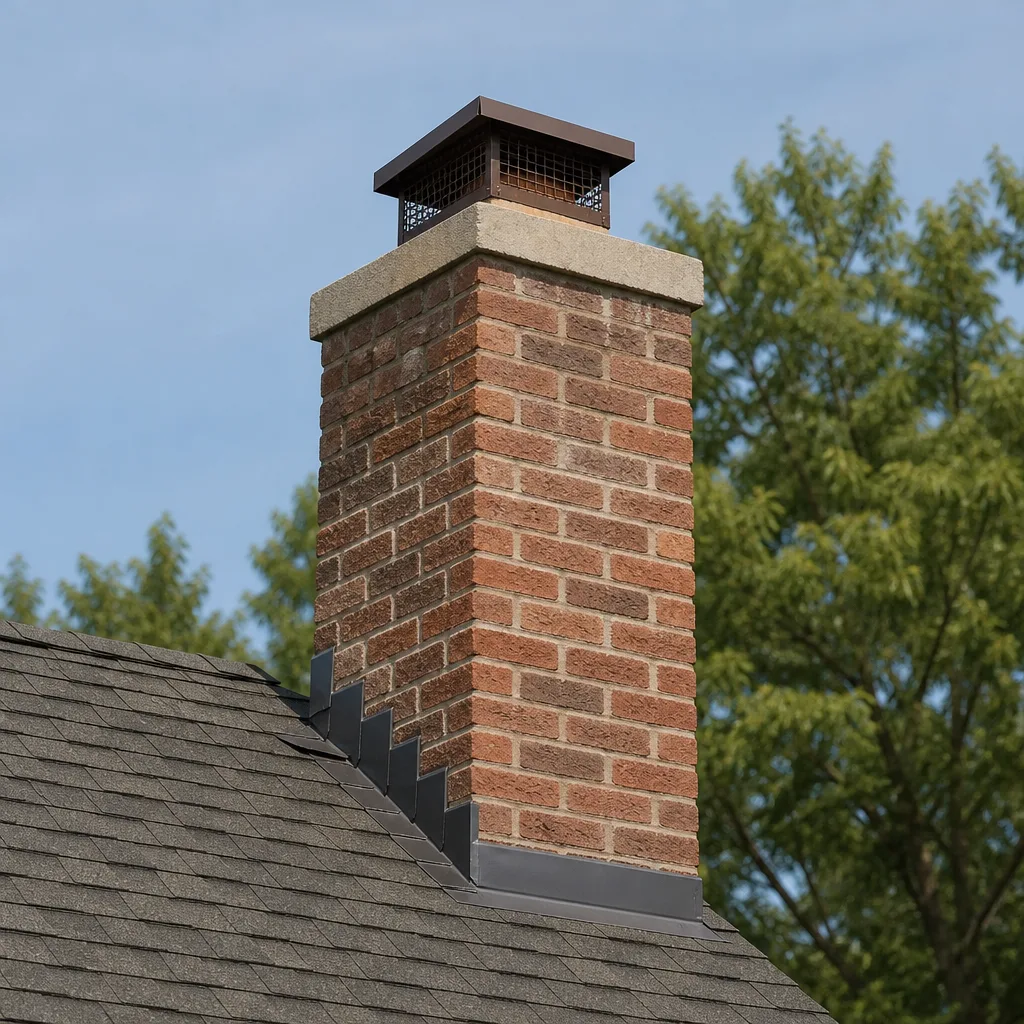 Masonry repair
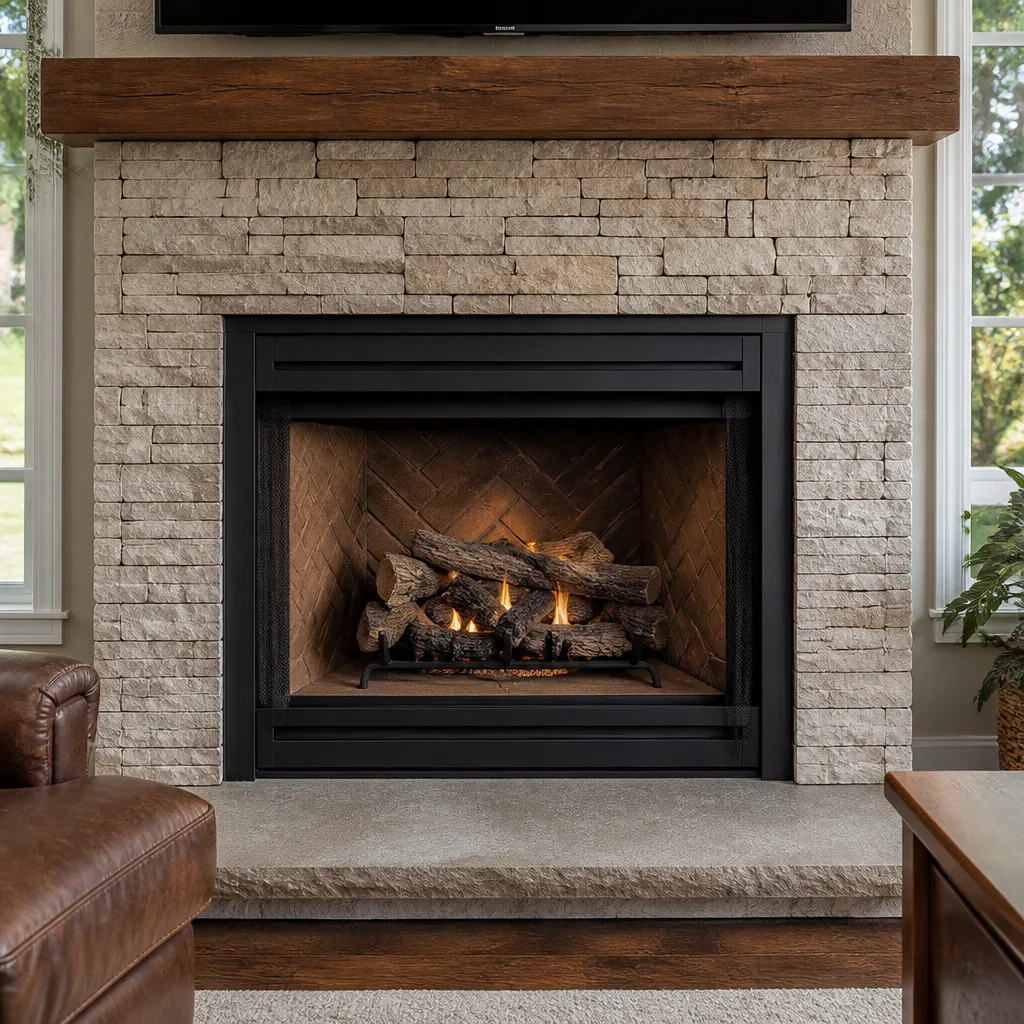 Gas fireplace service
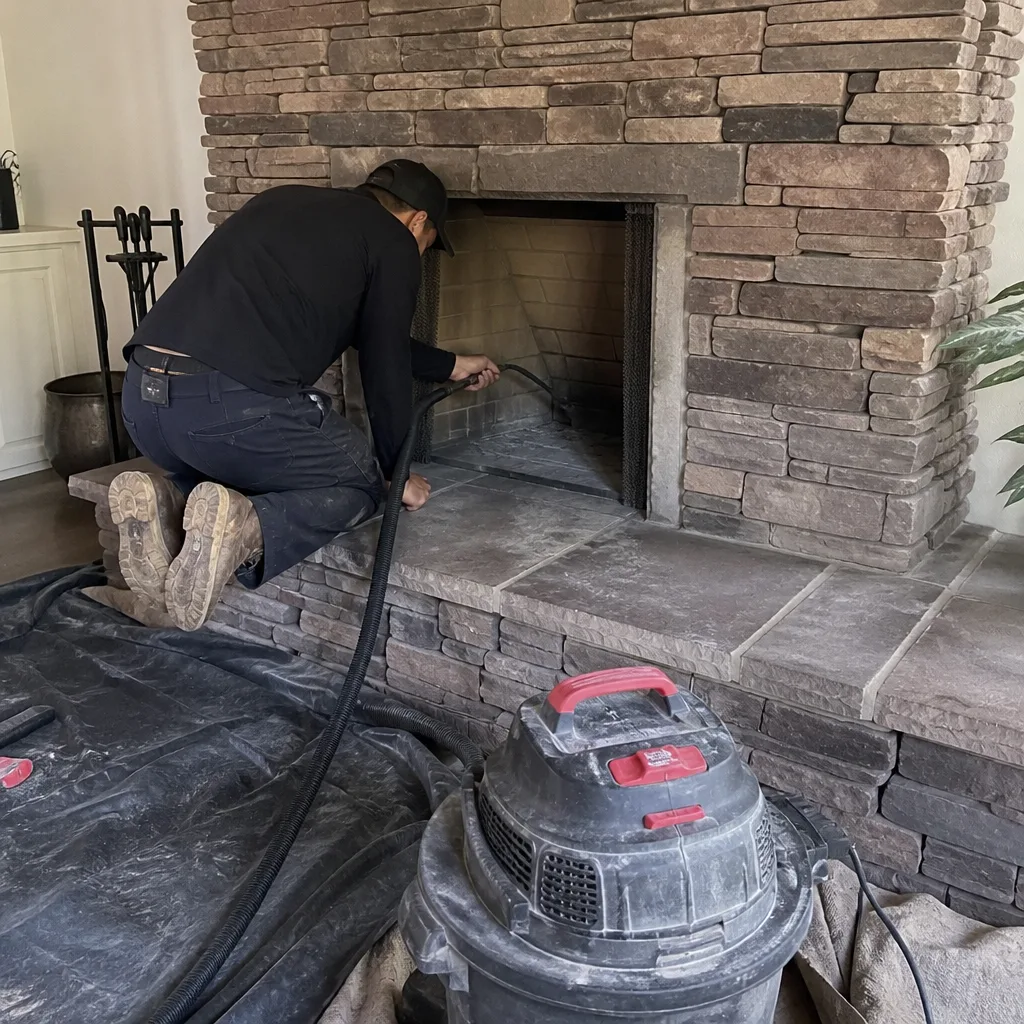
Level 1 sweep and inspection to the NFPA 211 annual standard - flue, crown, cap, and flashing checked and photographed
Chimney sweep logs do not sweep chimneys. They loosen some creosote - which then falls where a brush and vacuum still have to collect it.
Chimney Cleaning Warning Signs: A Carmichael Homeowner’s Reference Guide
Here’s a fact most Carmichael homeowners don’t hear until it’s too late: the chimney problems that turn into house fires and expensive rebuilds almost never announce themselves loudly. They whisper. A creosote accumulation the width of a nickel. A flue tile with a hairline crack. A smoke chamber with a rough, corbelled surface collecting soot like a net. By the time you see black staining on the mantel or smell smoke in the living room three hours after the fire’s out, you’re not catching a problem early – you’re discovering one that’s been developing for months. This reference guide walks you backward from the obvious warning signs to the earlier, quieter indicators that a trained eye catches before a chimney issue becomes a structural repair or a house fire in Carmichael.
Quick Answer
The clearest chimney cleaning warning signs in Carmichael are a persistent woodsmoke or musty odor when the fireplace isn’t in use, visible dark creosote or soot on the damper or firebox walls, smoke spilling into the room during a fire, and a fire that seems to burn weakly or struggle to draft. Any of these means the flue is no longer moving combustion gases up and out the way it should. If you notice odor without a fire, you’re likely dealing with downdraft or negative pressure; if you notice it only during a fire, you have a creosote or draft obstruction problem. Both warrant a professional inspection, and both are issues a Chimney Sweep in Carmichael can identify and correct.
Styles & brands we work with
- Sweep & inspection
- Caps & crowns
- Flue relining
- Masonry repair
- Gas fireplace service
Table of Contents
- The Tiered Warning Sign System: Observe, Schedule, Stop
- The Smell Signature: What Your Nose Is Telling You
- Visual Signs You Can See Without Tools
- Carmichael Structural Warning Signs in Older Ranch Homes
- Interior Warning Signs Homeowners Miss
- The Smoke Chamber: Where Most Carmichael Chimney Fires Start
- Draft Problems: Summer Odor vs. Combustion Odor
- Common Mistakes to Avoid
- When to Call a Professional
- Frequently Asked Questions
The Tiered Warning Sign System: Observe, Schedule, Stop
After years of inspecting chimneys across Carmichael, from the established streets near Carmichael Park to the ranch-style neighborhoods north of Fair Oaks Boulevard, we’ve developed a simple triage system for what homeowners report. For Chimney Sweep Troubleshooting: Common Problems and How to Fix Them, see our dedicated guide. It sorts warning signs into three tiers based on urgency. Here’s how to use it.
Tier 1: Observe and Schedule
These are early indicators. They don’t mean your chimney is dangerous today, but they mean it’s no longer operating the way it should, and the problem will compound if you ignore it.
- A faint odor that appears on humid days or when the air conditioner kicks on. This suggests air is being pulled down the chimney and into the living space. In Carmichael, where summer temperatures routinely hit the high 90s, the stack effect reverses when your home is cooler than the outside air.
- White or gray powdery residue on the firebox back wall. This is often efflorescence, a sign of moisture intrusion through the chimney masonry. It’s not urgent, but it means water is getting where it shouldn’t.
- A fire that takes longer to “catch” than it used to. If you find yourself squatting in front of the firebox, blowing on kindling, and waiting – your draft is weakening. This is the chimney equivalent of a check-engine light.
- Soot streaks on the damper handle or the top of the firebox opening. Soot that should be going up is finding other ways to move, and some of it is landing on surfaces you can see.
If you notice one of these, schedule a sweep when convenient. Don’t wait until October, when most Carmichael homeowners realize burning season is two weeks away and every chimney service is booked solid. For planning ahead, check our Chimney Sweep Maintenance Checklist for Carmichael Homeowners.
Tier 2: Schedule Promptly
These findings indicate a developing obstruction or a failing component. Use the fireplace sparingly or not at all until it’s been inspected.
- Visible creosote flakes or a dark, tar-like glaze inside the flue. Reach up past the damper with a flashlight. If what you see looks like black paint or dried molasses, that’s third-degree creosote. It’s a fuel source sitting inside your chimney.
- Smoke that curls lazily out of the fireplace opening instead of drawing up. Even a small amount of spill-back during a fire means combustion gases, including carbon monoxide, are entering the room.
- Bits of flue tile or mortar on the smoke shelf or firebox floor. This means the flue liner is spalling – shedding pieces of itself. A cracked flue tile is no longer protecting the surrounding masonry from heat transfer.
- A rumble inside the chimney when the fire is burning hot. Many homeowners describe this as sounding like a freight train passing through the walls. It can indicate a chimney fire in progress or severe turbulence from a partial blockage.
Tier 3: Stop Using and Call Now
These are immediate hazards. Do not build another fire. Do not pass go.
- Smoke detectors going off during fires when they never did before. Your chimney is not drafting. Full stop.
- Visible smoke or flame in the smoke chamber area when looking up from the firebox. If you can see glowing or flame beyond the damper that isn’t the fire itself, you may be experiencing a chimney fire. Evacuate and call 911 if it persists.
- A chemical or sulfurous odor during a fire. This can indicate a gas leak if you have a gas starter or gas insert. Exit the home and call your utility company and the fire department.
- White smoke pouring from the chimney crown or cracks in the masonry while the fire is burning. Smoke is finding a path through the masonry, not the flue. This is a structural failure, not a cleaning issue.
These tiers aren’t academic. They’re the difference between a $249 sweep and a $6,000 liner replacement, or worse, a house fire. In our experience, most Carmichael homes we inspect for the first time fall somewhere in Tier 1 or 2 – the homeowner felt something was off but didn’t have a framework for evaluating it. Now you do.
The Smell Signature: What Your Nose Is Telling You
A properly functioning chimney should not smell like anything when you walk into the room. Not woodsmoke, not mustiness, not a faint sulfur note. If it does, you’re already past the “monitor it” stage. But the specific character of the smell matters. Different odor signatures point to different problems, and knowing the difference saves you from paying for the wrong fix.
Woodsmoke odor with no fire burning
This is the most common complaint we hear in Carmichael, especially in the shoulder seasons – April through June and September through October – when the temperature swings between day and night are most pronounced. The cause is almost always downdraft. Cold air sinks down the flue, collects in the smoke chamber, and pushes into the living space. The chimney has become a straw pointing the wrong way.
The fix isn’t another sweeping. The fix is finding why the chimney is reversing. Common culprits in Carmichael homes include a missing or incorrectly sized chimney cap, negative air pressure from a tight house or an oversized kitchen exhaust fan, or a flue that’s been oversized for the appliance it serves. Some homes on the flatter streets of Carmichael also deal with wind currents that spill over the roof plane and curl down into the flue opening. A vacuum stack cap solves that specific pattern in more cases than not.
Musty, earthy, or damp-laundry smell
This is not a creosote problem. This is water. The smell comes from moisture that has made its way into the chimney system and is now interacting with soot, mortar dust, and creosote deposits. You’re smelling the inside of your chimney after it’s been wet. The source is usually a failed or missing chimney cap, cracked crown mortar, or damaged flashing at the roof line.
This odor is often strongest after rain or during Carmichael’s wet winters. If you notice it from November through February, pay attention. Water intrusion does more than smell bad – it accelerates masonry deterioration through repeated freeze-thaw cycling. Even in mild Carmichael winters, nighttime temperatures dip low enough for absorbed water to expand and crack brick faces.
Sharp, acrid, or chemical odor during a fire
This is the one that should stop everything. A sharp chemical smell, often described as “burning plastic” or “ozone” or a sulfur-like note, is different from normal wood smoke. It suggests that something besides seasoned wood is burning. That something is often the accumulated creosote inside the flue. When creosote ignites, the odor profile changes rapidly. If the smell is present with visible smoke escaping from the mortar joints or the smell persists after the fire is out, you’ve potentially had a chimney fire.
Any of these three odor signatures justifies a phone call. The chimney smell you’re tolerating in July won’t get better when burning season starts in November. It will get worse. And the fix will be more expensive. If you’re in Carmichael and you’ve noticed a fireplace odor, start with a Chimney Sweep Carmichael home inspection – the diagnostic is faster and cheaper than guessing at the cause.
Visual Signs You Can See Without Tools
You don’t need a chimney camera to catch most of the warning signs that matter. You need a flashlight and the willingness to look. Here’s what to check, in order, and what each finding means.
Step 1: Look at the firebox back wall
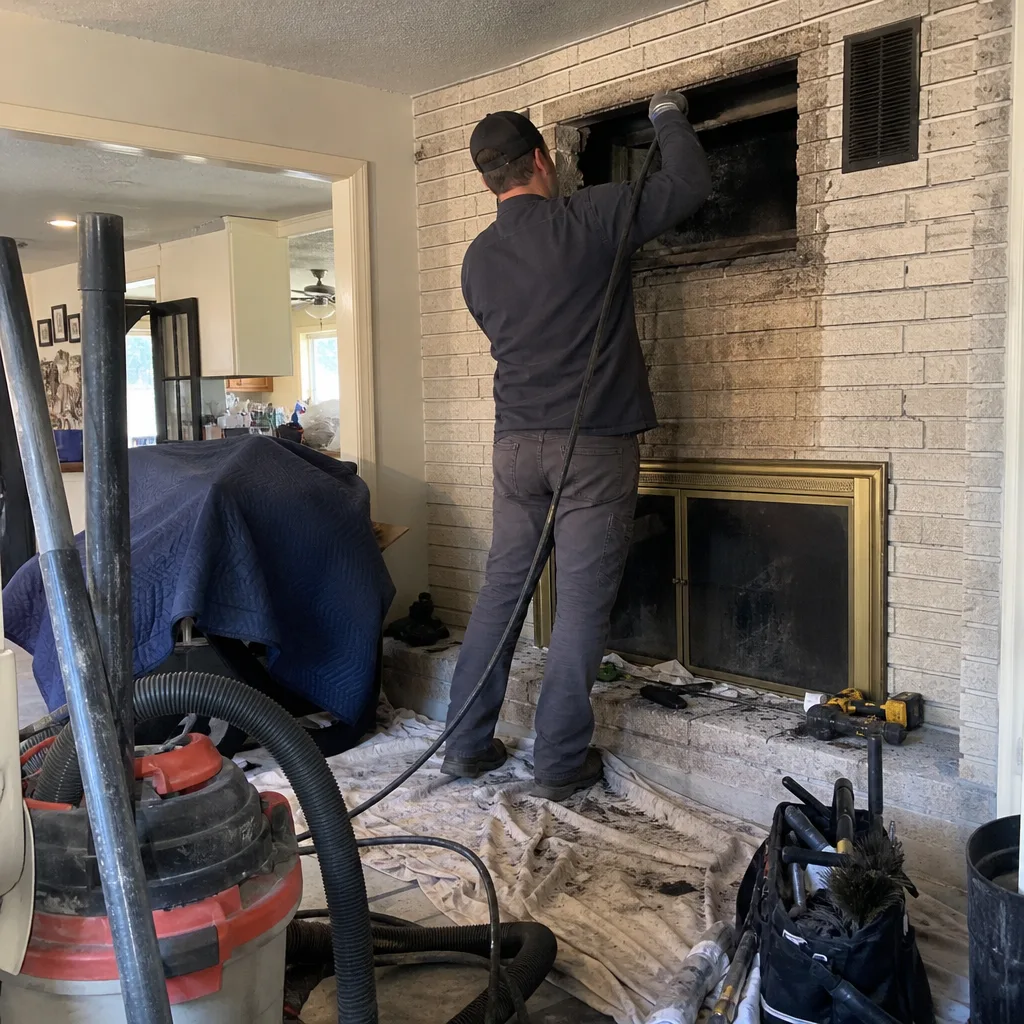
Open the damper and shine your light up. The back wall of the firebox, above the lintel and into the throat, is where creosote first accumulates visibly. What you’re looking for: a black, shiny, glossy glaze resembling melted tar. That’s third-degree creosote, the most combustible form. If what you see is brown and flaky, that’s first-degree creosote – normal accumulation from regular wood burning, but still worth addressing before it compacts.
You’re also looking for efflorescence – a white, crystalline powder that indicates water has been moving through the brick. Efflorescence is salt deposits left behind when water evaporates from the masonry surface. It’s not dangerous by itself, but it tells you the chimney has a moisture problem, and moisture plus creosote equals acidic residue that eats mortar joints.
Step 2: Check the damper
The damper is the round or rectangular metal plate just above the firebox. It should open and close smoothly. If it’s rusted open, rusted shut, or pitted and flaking, water has been getting in. A damper that won’t seal when closed allows conditioned air to escape your Carmichael home all summer and allows cold air to drop down in winter. A damper that’s rusted through needs replacement, not repair.
Step 3: Examine the exterior masonry from the ground
Walk around your house and look at the chimney from a distance. You’re checking for three things: cracking, spalling, and staining. Spalling is when the face of the brick pops off, leaving a rough, recessed surface. It’s caused by water freezing inside the brick, and Carmichael’s winter temperature swings make it common on older masonry chimneys. Dark staining near the top of the chimney suggests water saturation. White staining lower down suggests efflorescence from years of moisture movement.
A note on Carmichael specifically: many homes built in the 1950s through 1970s are single-story ranch styles with a masonry chimney rising through the roof ridge. These chimneys are fully exposed on all four sides, which means they get hit by sun, rain, and wind without the partial sheltering that a two-story home provides. The result is faster weathering of the mortar joints on the southern exposure – the side that faces the sun’s daily thermal cycling.
Step 4: Look at the chimney crown
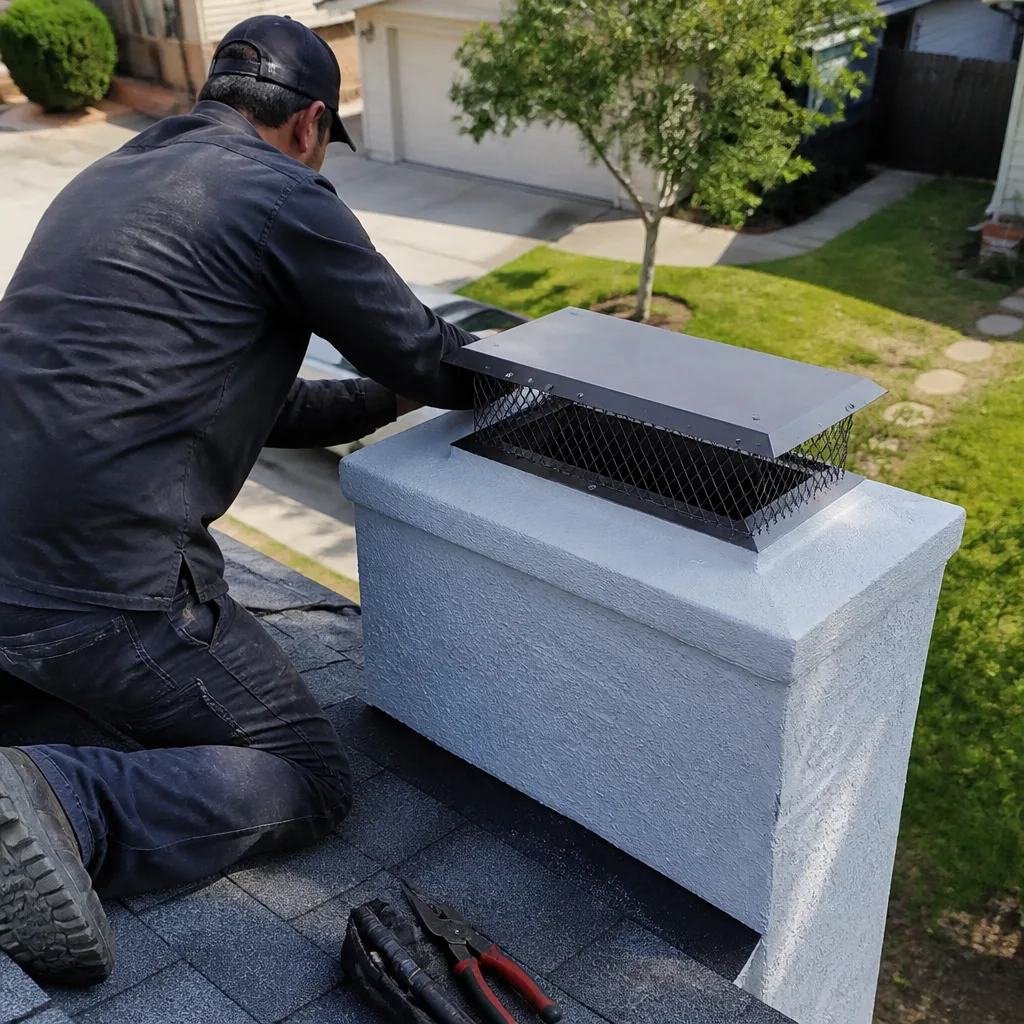
The crown is the concrete or mortar cap at the very top of the chimney. It sheds water away from the flue opening. If it’s cracked, chipped, or missing pieces, water is getting into the brick below. When it’s time for professional help, see our tips on Choosing the Right Chimney Cleaning Brand: A Buyer’s Guide for Carmichael. You can often see this from the ground with binoculars. Many Carmichael chimneys have crowns built from ordinary mortar, which is too weak for the job. Over 20 to 30 years, these mortar crowns crack at the corners and around the flue tile. A proper crown replacement uses a concrete mix designed for exterior exposure, and we build it to overhang the masonry by at least two inches with a drip edge.
Carmichael Structural Warning Signs in Older Ranch Homes
Carmichael’s housing stock skews older. Drive down streets like Walnut Avenue or California Avenue and you’ll see hundreds of ranch homes built between 1955 and 1975. These homes share a construction profile that makes specific chimney failure patterns more likely. If you live in one of them, here’s what to watch for.
The stair-step crack pattern
This is the big one. A stair-step crack is a crack that follows the mortar joints in a diagonal pattern, stepping up or down through the brick rather than running straight. It’s different from a simple vertical crack from thermal expansion. A stair-step crack means the chimney is experiencing differential settlement – one part of the structure is moving at a different rate than another.
Why does this matter in Carmichael? The soil here is expansive clay, common throughout the Sacramento Valley. It swells when wet and shrinks when dry, and it moves seasonally. If the chimney’s foundation footing is shallow or was poured without reinforcement, the ground movement transmits directly into the chimney stack. Over decades, the mortar joints at the stress points begin to fail.
A stair-step crack in the chimney brick is not a cleaning issue, but it is a chimney issue. It means the flue inside may have shifted as well. A shifted flue liner creates gaps in the system – gaps that allow heat and gases to reach combustible framing. If you see this pattern on your chimney, have it evaluated before burning season. Sometimes the fix is tuckpointing and a HeatShield resurfacing of the flue; sometimes the chimney needs to come down and be rebuilt. The only way to know is with an inspection.
Separation between the chimney and the house
Stand back and look at the line where the chimney meets the exterior wall. If you can see a widening gap between the chimney masonry and the house siding, the chimney is leaning. It’s pulling away from the structure. On ranch homes, this often happens because the chimney was built as a freestanding masonry column with only the roof framing tying it to the house at the top. Over time, soil movement and roof loads push it outward.
A leaning chimney is a structural failure in progress. If the gap is wider at the top than the bottom, the assembly is rotating. This requires professional evaluation immediately. The dangers are not limited to the chimney itself – a falling chimney takes roof framing, electrical lines, and whatever’s below it when it goes.
Masonry rust stains
Orange-brown streaks running down the brick face suggest water has reached the metal reinforcement or the damper assembly inside the chimney and rusted it. Rust expands as it forms, which can crack the surrounding masonry from the inside out. In Carmichael’s older ranch homes, this often shows up near the thimble – the opening where a stovepipe would have connected to the chimney.
Interior Warning Signs Homeowners Miss
Some of the most telling warning signs are also the ones nobody thinks to look for, because they don’t show up as black gunk or visible damage. They show up as subtle changes in how the room behaves. Here are three that Carmichael homeowners routinely overlook.
White residue on the firebox back wall
We mentioned efflorescence above, but it deserves more detail because it’s consistently under-diagnosed. When water moves through masonry and evaporates, it leaves behind salt deposits. Those deposits look like white powder or, in advanced cases, like a crusty white crust. On the back wall of the firebox, where heat from fires has baked the surface repeatedly, the residue can take on a grayish tone and harden.
If you see this, your chimney is retaining moisture. The moisture is coming from either the crown, the cap, the flashing, or the brick itself if the exterior sealant has failed. The problem with moisture isn’t just cosmetic. Creosote mixed with water forms an acidic slurry that attacks mortar joints from the inside. You can sweep the chimney every year and still lose the mortar joints to acidic deterioration if the moisture problem goes unfixed.
Draft reversal on cold days
A draft reversal is when the airflow in the chimney reverses and pulls cold outside air down into the room instead of exhausting air up. You’ll notice it on cold winter mornings when you walk toward the fireplace and feel a cold current coming from the firebox. You might also notice it as a blast of cold air in the room even when the damper is closed, because the damper doesn’t seal tightly.
Draft reversal happens when the inside of the house is colder than expected, or when negative pressure from other exhaust systems – bathroom fans, kitchen hoods, a competing dryer vent – is pulling air down the flue. In Carmichael homes with whole-house fans or powerful attic ventilation, the pressure dynamics shift seasonally. The fix isn’t always a damper replacement. Sometimes it’s make-up air for the competing exhaust, sometimes it’s a top-sealing damper, and sometimes it’s an insulated chimney liner. But the first step is identifying the pressure source. That’s a diagnostic task, not a guess.
Condensation patterns on the breast wall
The breast wall is the section of the wall that projects into the room to form the fireplace. If you see water stains, damp spots, or a recurring mold or mildew smell on the breast wall face, especially on its upper third near the ceiling, that’s condensation from warmth meeting a cold surface. In a chimney context, it usually means the flue isn’t insulating the masonry effectively anymore.
Combustion gases inside the flue are hot. The exterior side of the chimney masonry is cold. If there’s no insulation layer between the flue tile and the masonry – which is the case in most pre-1980 chimneys – the warm gases condense as they rise. That condensation is acidic. It soaks into the brick and mortar from the inside. By the time you see the dampness on the breast wall interior, the process has been underway for years.
The Smoke Chamber: Where Most Carmichael Chimney Fires Start
Here’s an uncomfortable statistic for homeowners: the smoke chamber is the most common point of origin for residential chimney fires. Not the flue, not the firebox. The smoke chamber. Yet most homeowners have never heard of it, and many general home inspectors don’t look at it closely. In our work as a Chimney Repair in Carmichael provider, the smoke chamber is one of the first places we inspect, because it’s where problems compound silently.
What the smoke chamber is, and why it’s vulnerable
The smoke chamber is the inverted funnel-shaped section that sits directly above the firebox, below the flue. Its job is to compress and accelerate smoke and combustion gases from the wide firebox opening into the narrower flue pipe. In a well-built chimney, the smoke chamber walls are smooth, sloped, and fireproof. In many older Carmichael chimneys, the smoke chamber is corbelled brick – meaning the bricklayer stepped each course inward progressively, creating a rough, ledge-like surface.
Those ledges collect creosote and soot. And because the smoke chamber sits directly above the fire, it gets hot. Creosote deposits in the smoke chamber ignite at high temperatures, and once they catch, the fire can spread upward into the flue and downward into the firebox. The walls of the smoke chamber are typically only one brick thick, and they’re surrounded by wood framing in the floors above. The fire path from smoke chamber to combustible framing is short.
How to spot smoke chamber damage from inside the firebox
You can do this without tools. Open the damper fully and shine a bright flashlight upward, past the damper assembly, into the smoke chamber. What you’re looking for:
- Ledges or shelves of brick sticking out. Each ledge is a creosote collection point.
- Mortar that looks washed out. Like the joints are recessed or crumbling. That’s acidic condensation eating the mortar.
- Parging that’s flaking off. Parging is a smooth masonry coating applied to the smoke chamber surface. If it’s peeling or falling off in slabs, the chamber is deteriorating.
- Scorch marks or heat discoloration on the chamber walls. Evidence of past high-temperature events.
If the smoke chamber surface is rough, we can smooth and seal it. In many cases, the fix is a HeatShield cerfractory coating – a ceramic-based resurfacing material that restores the chamber walls and seals the joints without tearing the chimney apart. It’s a mid-tier repair, not a full rebuild. But if the damage has been ignored long enough, the only option is a full chimney tear-down and rebuild, which is among the most expensive repairs a Carmichael homeowner can face. Early detection is everything.
Why the smoke chamber matters for drafts
Even absent a chimney fire, a deteriorated smoke chamber changes how the chimney performs. A too-rough or too-wide smoke chamber slows the draft, which causes smoke to linger at the damper level and spill back into the room. Homeowners often compensate by opening a window or building a hotter fire, which adds creosote faster. It’s a feedback loop that makes everything worse. The fix is to restore the chamber geometry or install a smoke chamber parging system that smooths the path. Done correctly, the draft improves immediately, and the chimney becomes easier to keep clean.
Draft Problems: Summer Odor vs. Combustion Odor
One of the most confusing things about chimney warning signs is that the same symptom – odor – means completely different things depending on context. A chimney that smells in July isn’t necessarily dirty. A chimney that smells in December might be dangerous. Here’s how to tell the two apart, and why the fix for one is not the fix for the other. For more guides & resources, explore our blog.
Summer odor: negative pressure pulling air down
In the summer, a chimney often smells worse than in winter, even if it was swept the previous fall. This happens because of thermal inversion. The outside air is hot, and the air inside the chimney flue is also hot, but the air inside the house is cool from the air conditioner. There’s no fire pushing warm air upward, so the chimney operates in reverse – outside air flows down the flue and into the cooler house.
That air carries whatever’s inside the flue with it. The smell isn’t a sign of an acute blockage. It’s a sign that the chimney has enough creosote or soot residue to smell when air moves across it. Even a relatively clean flue can smell in summer if the damper doesn’t seal well. The solution is twofold: get the flue professionally swept so there’s less odor-causing material, and address the air flow. A chimney cap that blocks down-draft, a better-sealing damper, or – in some Carmichael homes – a top-sealing damper that seals the flue at the crown will stop most summer odor problems.
Combustion odor during a fire: incomplete draft
If the fireplace smells strongly of smoke only while a fire is burning, that’s not a summer inversion issue. That’s an incomplete draft. Smoke is not being drawn up the flue effectively, so it’s spilling into the room. The causes range from a cold chimney that needs pre-warming to an undersized flue to a partial obstruction to a smoke chamber that’s no longer smooth enough to accelerate gases properly.
The important diagnostic distinction: a smoke smell during a fire means combustion gases, including carbon monoxide, are entering the living space. It’s not just an odor. It’s an air quality problem. If the smoke alarm doesn’t go off – and it may not, if the spillage is slow and steady – you’re still breathing products of combustion. This is not a situation to modulate by opening a window. It’s a situation to stop the fire and have the chimney inspected.
The one symptom that means both
If you have summer odor AND combustion odor, the culprits are likely multiple. A blocked flue, an oversized flue for the appliance, a bad cap, and poor sealing all compounding. These are the chimneys that need a full diagnostic workup – sweep, camera inspection, and likely a liner or cap replacement. We see this combination most in Carmichael homes where a wood-burning fireplace was converted to a gas insert at some point. The gas insert needs less draft than a wood fire, so a flue sized for wood-burning suddenly reverses and stinks all year round.
Common Mistakes to Avoid
In the course of inspecting chimneys around Carmichael, we see the same homeowner mistakes repeated often enough to know they’re systematic, not random. Here are the ones that cost the most money and create the most risk.
- Burning unseasoned wood. Wet wood burns cooler and produces more smoke, and more smoke means more creosote per fire. Carmichael homeowners with oak trees on the property sometimes burn rounds they’ve only seasoned for six months. Oak needs at least two years to season properly. Burning it early is the fastest way to build up the glossy, dangerous creosote we described earlier.
- Ignoring a chimney that “only smells in summer.” Summer odor feels harmless because there’s no fire. But it means air is moving through a flue that still has residue. That residue is acidic and corrosive. The chimney is deteriorating on days you’re not using it.
- Hiring a sweep based on price alone. Carmichael has chimney sweeps who work from the back of a pickup with a brush they bought at a hardware store. The difference between a basic sweep and a professional-level sweep with a camera inspection is not cosmetic. A cheap sweep misses the smoke chamber, doesn’t inspect the liner, and often doesn’t even check the cap. You’re paying for a dusting, not a diagnosis.
- Sealing the chimney permanently. Some Carmichael homeowners decide the fireplace is more trouble than it’s worth and seal up the chimney with plywood or a plug. This traps moisture inside the flue and creates a damp, acidic environment that destroys the masonry from within. If you’re going to abandon the fireplace, do it properly with a sealed chimney cap and a ventilation path for the masonry.
- Converting to gas without inspecting the existing flue. A gas insert or gas log set changes the heat profile of the chimney. Gas fires produce a cooler, moister exhaust than wood fires. If the flue liner was sized for wood, the gas exhaust may not draft, and condensing moisture will soak into the masonry. The liner must be evaluated – and often replaced with a correctly sized stainless liner like DuraFlex – before the conversion happens.
- Delaying a repair because “it held through last winter.” Chimney problems compound. A small crack in a flue tile becomes a bigger crack. A slightly weakened mortar joint becomes a missing joint. Every burning season that passes without addressing a known problem adds hundreds or thousands to the eventual fix.
When to Call a Professional
If you’ve identified any Tier 2 or Tier 3 warning sign in this guide, stop using the fireplace and call for an inspection. Specifically: visible third-degree creosote, smoke spilling into the room, flue tile fragments in the firebox, stair-step cracking in the masonry, or any odor that accompanies a fire. These conditions require a camera inspection to determine what’s actually happening inside the flue. Guessing is not a strategy with combustion systems. The inspection will show you exactly what’s there, and a qualified sweep will walk you through the findings with evidence you can see. If you’re in the Carmichael area, Chimney Sweep Carmichael offers free estimates – call (833) 593-4469 and we’ll schedule a diagnostic.
Frequently Asked Questions
You need a chimney cleaning if you see dark creosote deposits inside the flue or on the damper, if the fireplace smells musty or smoky when not in use, if smoke spills into the room during a fire, or if it’s been more than one burning season since the last sweep. Wood-burning fireplaces used regularly should be swept at least once a year in Carmichael, and more often if you burn soft woods or unseasoned wood.
A chimney fire often sounds like a low rumble or roar coming from inside the chimney, sometimes compared to a freight train or a low-flying plane. It can also sound like loud popping or crackling from the flue. If you hear any of these sounds during a fire, close the damper if you can safely do so, evacuate the house, and call 911.
Yes. A blocked or partially blocked flue prevents combustion gases from venting properly, and that allows carbon monoxide to accumulate inside the house. Carbon monoxide is odorless and colorless. The best defenses are a working CO detector, an annual chimney inspection, and a flue that’s been verified clear and drafting correctly.
Summer chimney odor is usually caused by downdraft, which happens when hot outside air descends through the cool chimney flue and brings the smell of creosote residue into the house. It doesn’t necessarily mean the chimney is dangerously dirty, but it does mean the existing residue is releasing odor, and the flue isn’t sealing well. A professional sweep and a properly fitted cap or top-sealing damper typically solves it.
Yes. Even occasional fires produce creosote. One or two fires per season is enough to build a deposit inside the flue that will accumulate season over season. A chimney that hasn’t been swept in five years is dangerous to use regardless of how many fires per year created the buildup. Annual inspection and cleaning is cheap insurance against a chimney fire or a liner failure.
A standard chimney sweep in the Carmichael area typically ranges from $175 to $300 depending on the condition of the flue and the type of fireplace or insert. If the inspection reveals a liner problem or a smoke chamber issue, the repair is quoted separately. Call (833) 593-4469 for an exact quote – estimates are free, and the inspection uses a camera so you can see exactly what’s in your flue.
The Bottom Line
A chimney that needs cleaning announces itself before it becomes a crisis. The smell, the slow draft, the white powder on the firebox wall, the stair-step crack in the brick – these are all signals that look quiet but point to specific, diagnosable problems. The homeowner who catches a smoke chamber issue before burning season starts pays a few hundred dollars. The homeowner who waits until smoke pours into the living room pays thousands. Carmichael’s older ranch homes, with their single-story masonry chimneys and expansive clay soil, are particularly prone to the structural warning signs described here. If you’ve seen any of them, the next step is simple: book an inspection with a specialist who covers the full exhaust system, chimney and dryer vent alike. One call covers it.
Written by the team at Chimney Sweep Carmichael, serving Carmichael since 2012.
See the difference
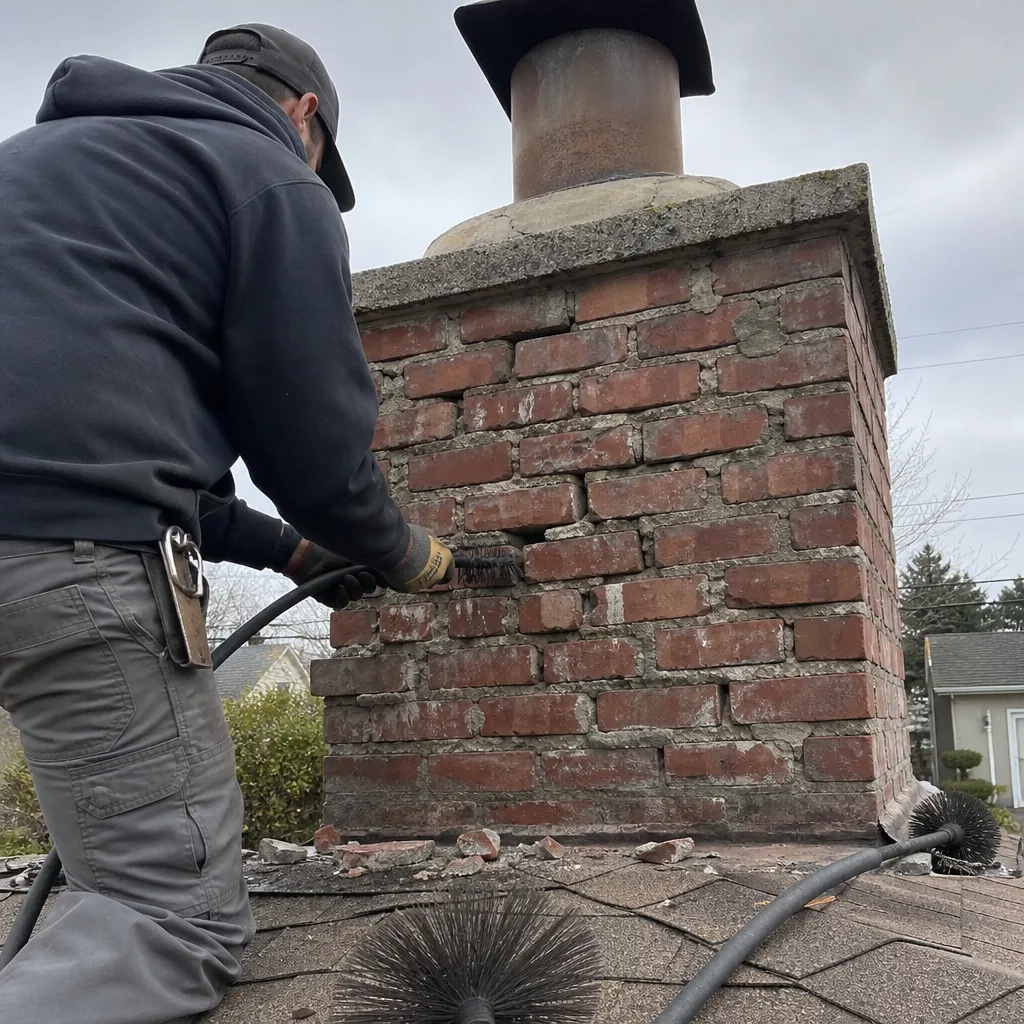 Before
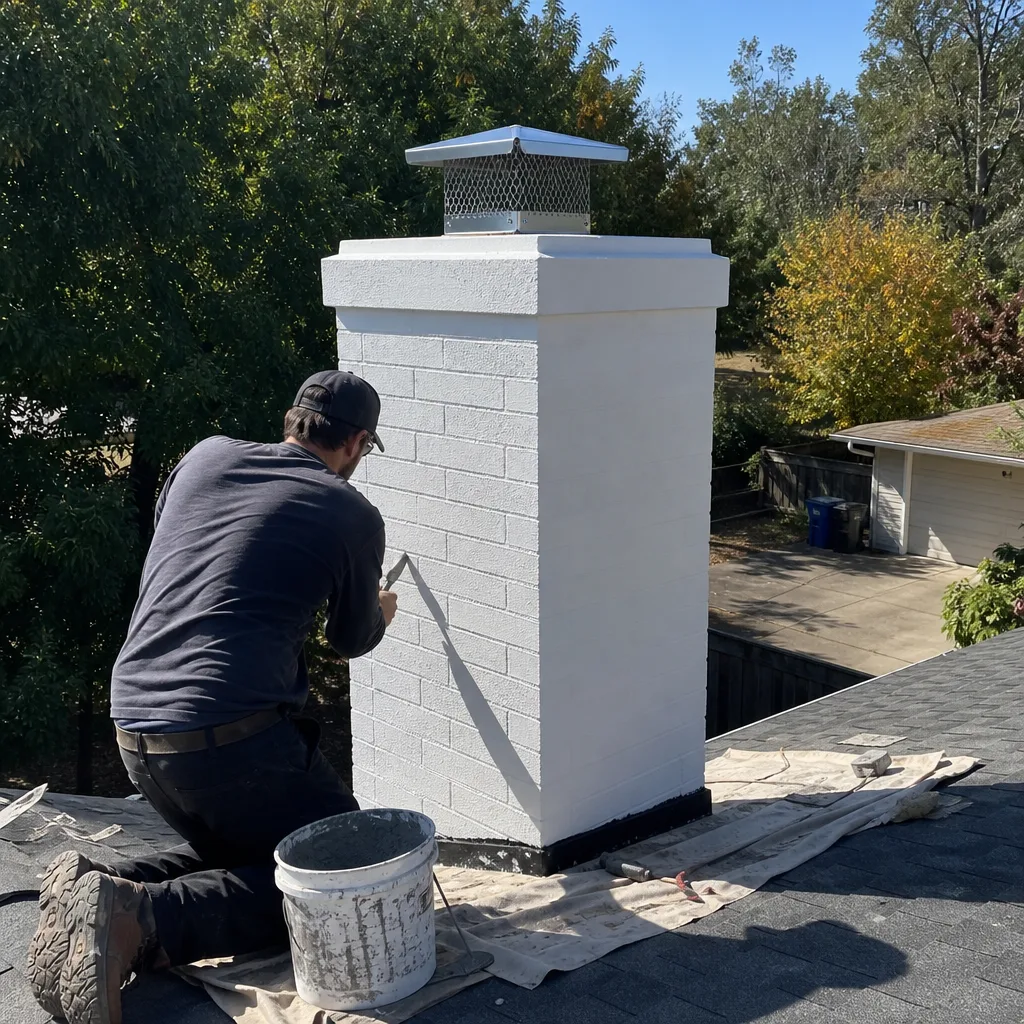 After
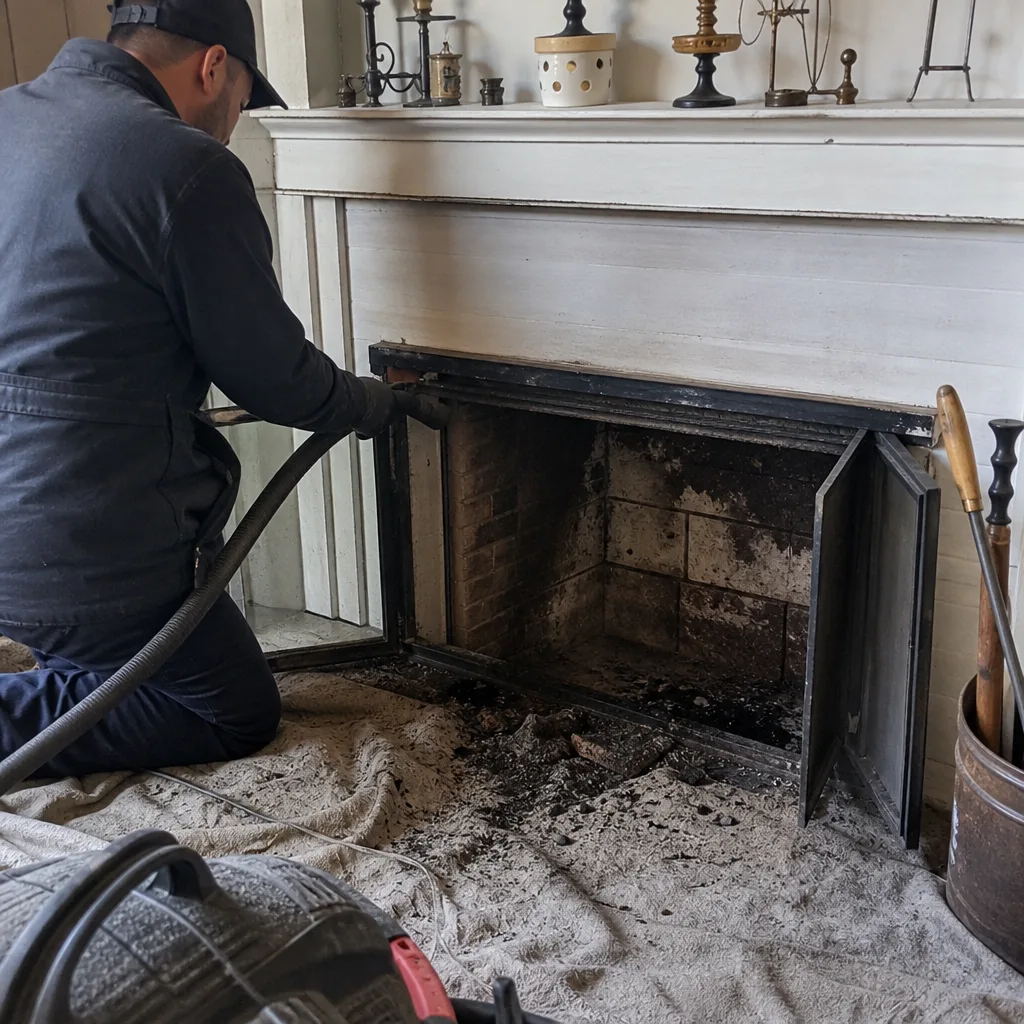 Before
 After
 Before
 After