
Last updated November 2, 2026
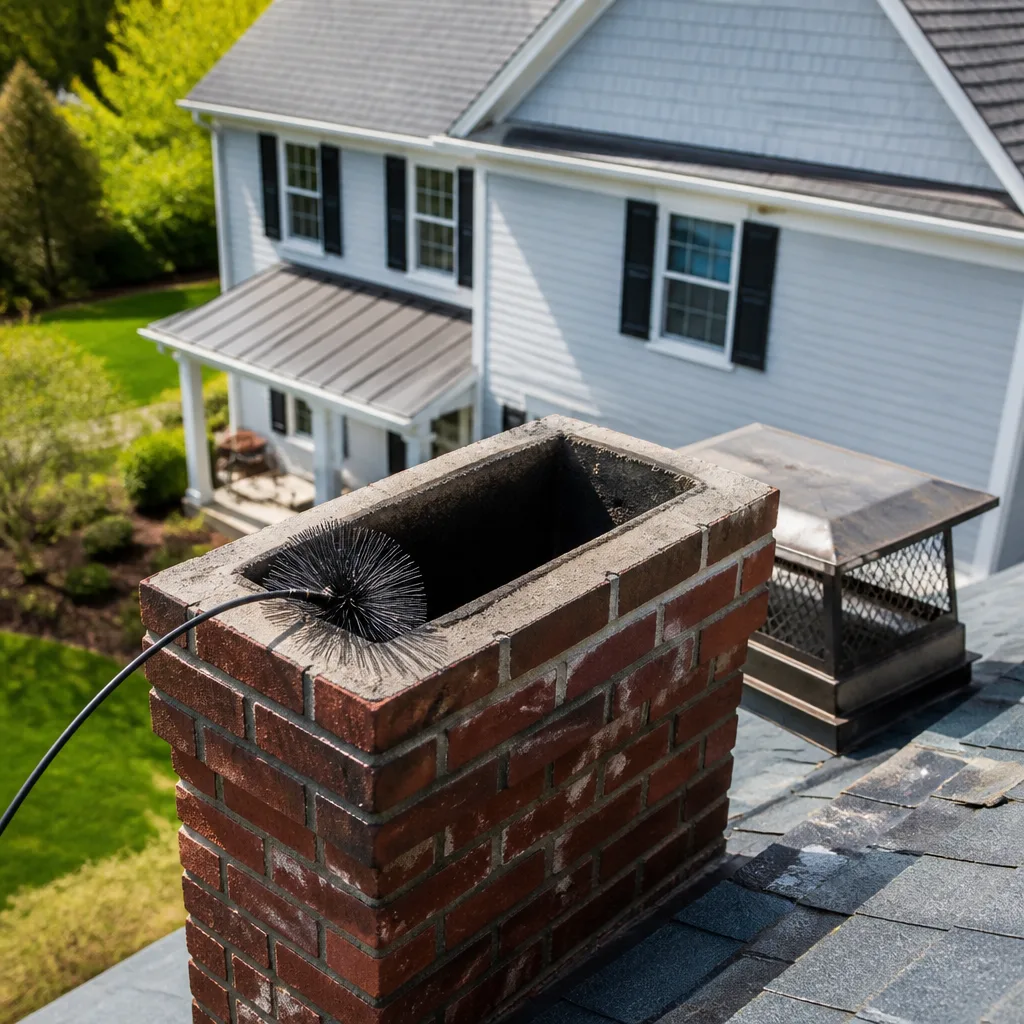 Sweep & inspection
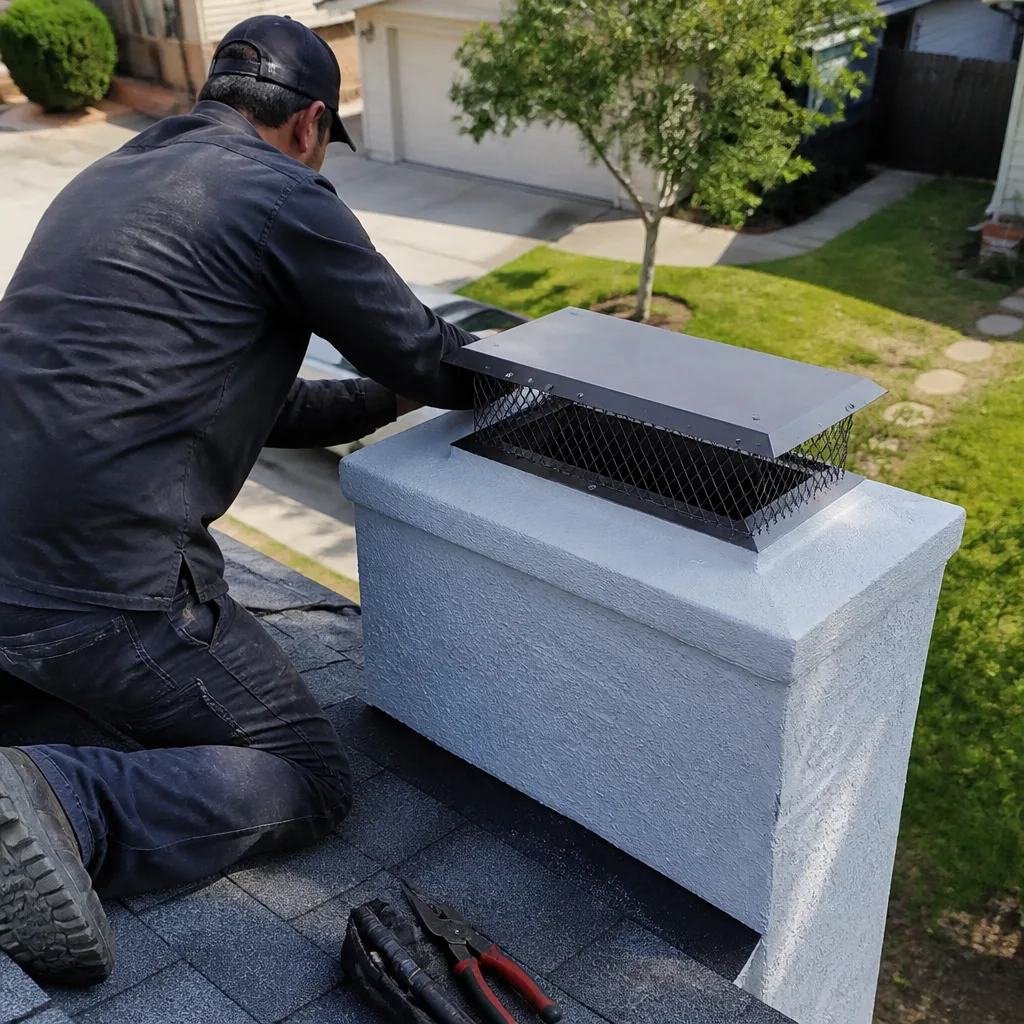
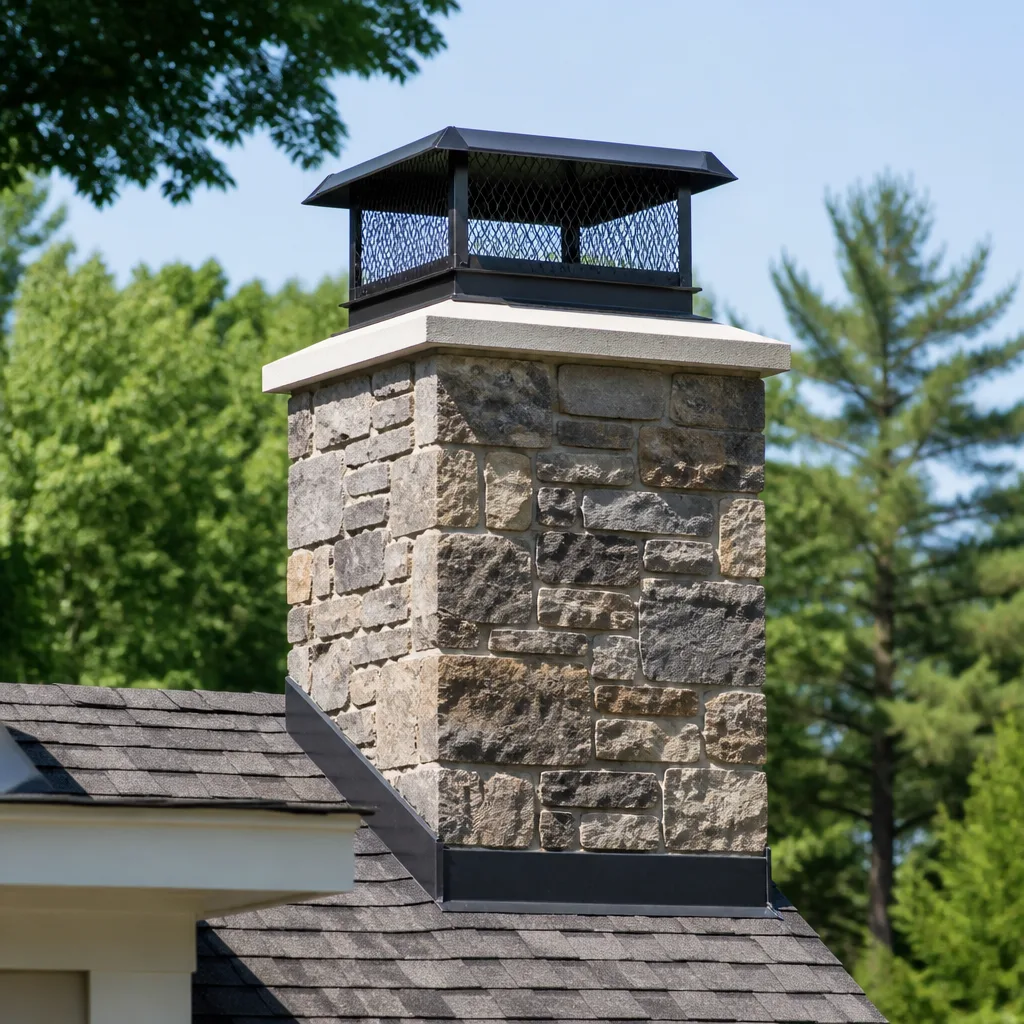 Caps & crowns
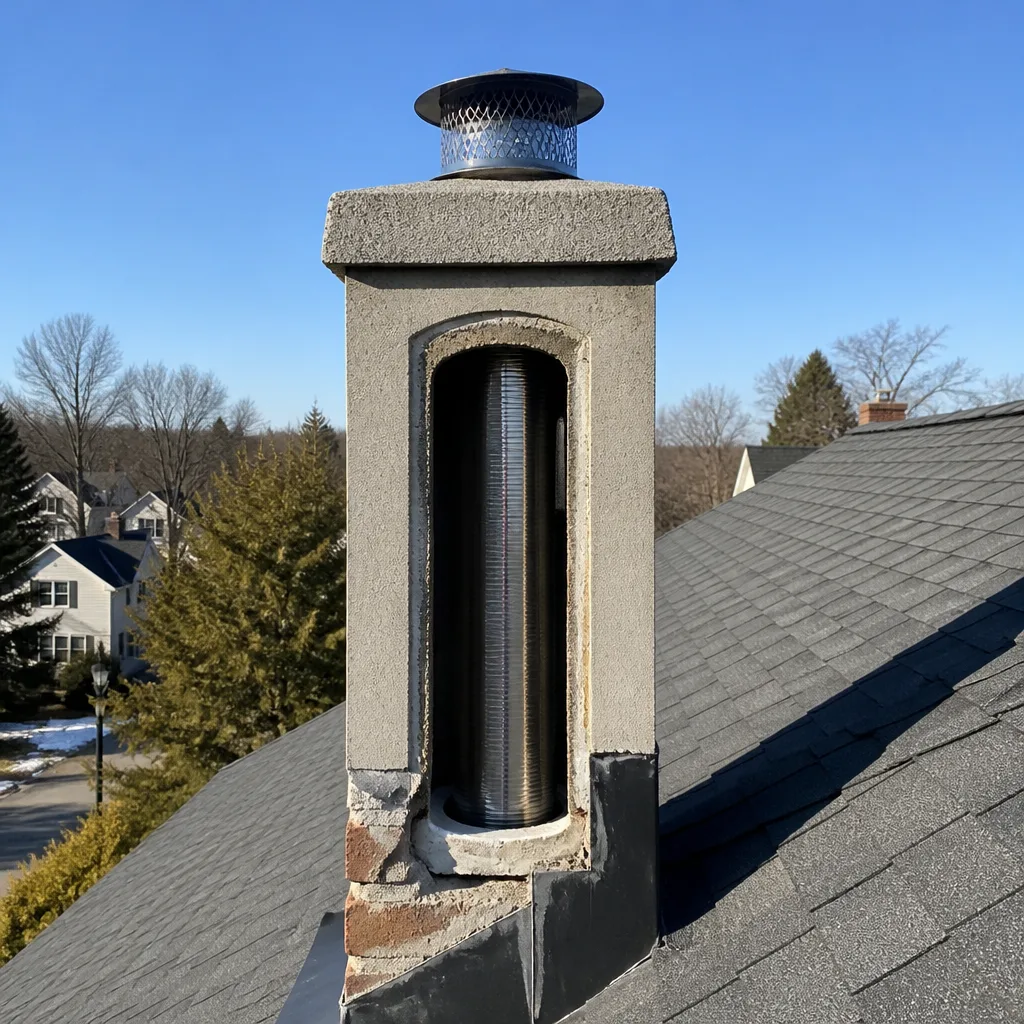 Flue relining
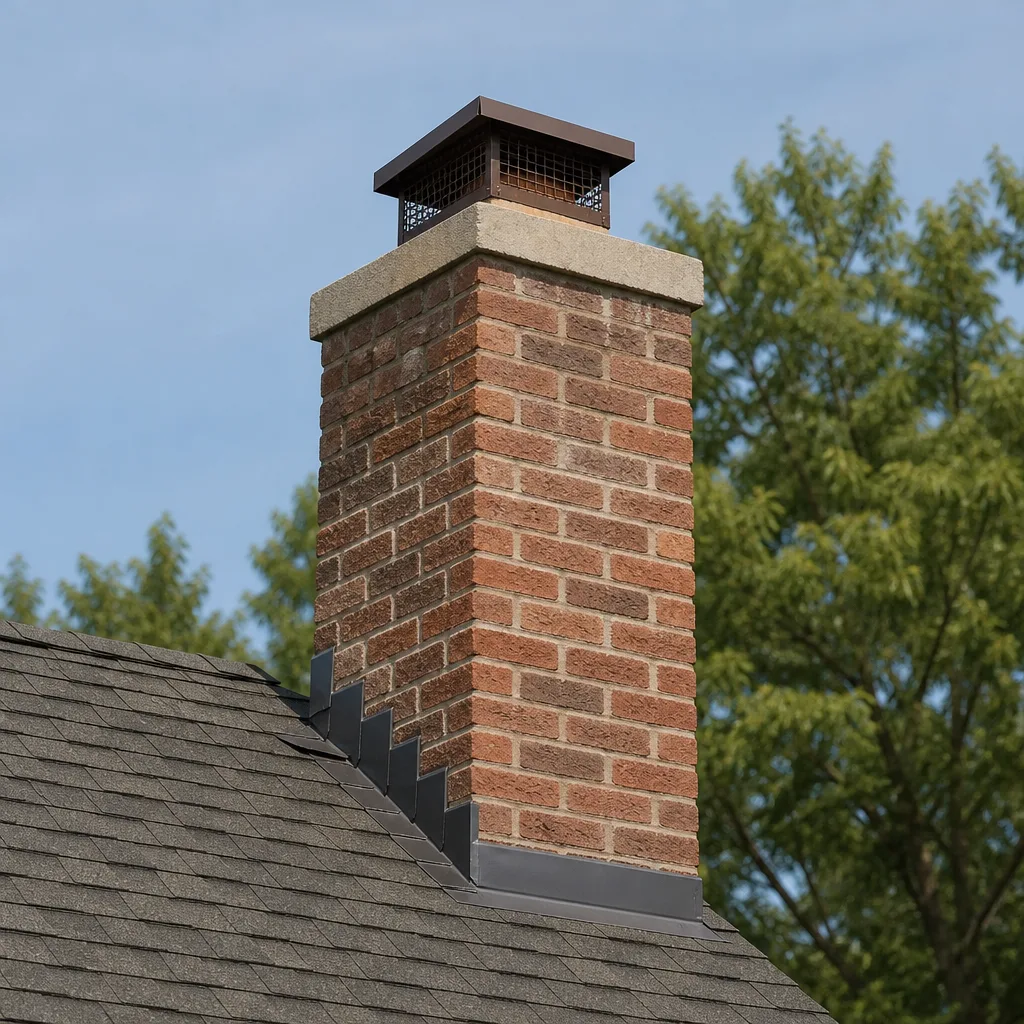 Masonry repair
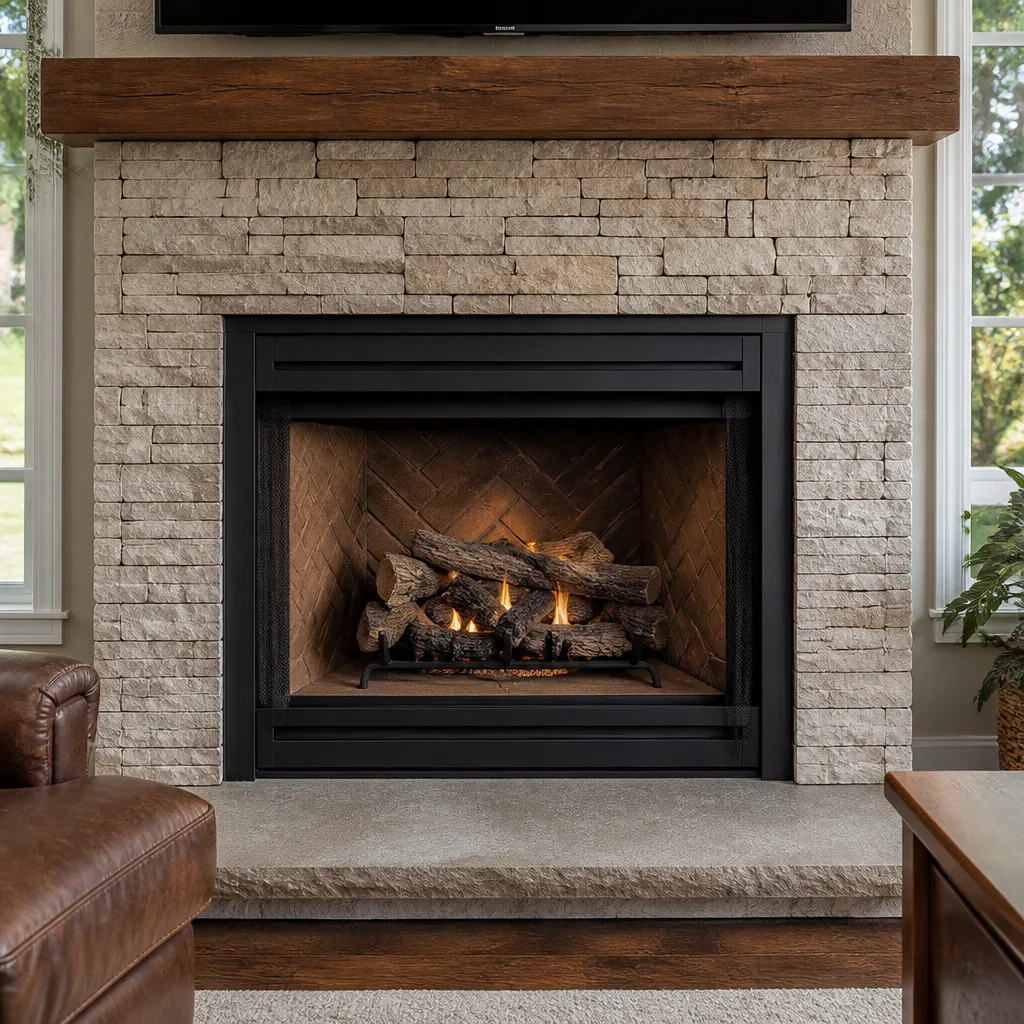 Gas fireplace service
Level 1 sweep and inspection to the NFPA 211 annual standard - flue, crown, cap, and flashing checked and photographed
Chimney sweep logs do not sweep chimneys. They loosen some creosote - which then falls where a brush and vacuum still have to collect it.
How to Hire a Chimney Cleaning Contractor in Carmichael: A Step-by-Step Guide
California is one of the few states where nothing stops a person from printing “chimney sweep” on a business card and charging money for it tomorrow morning. No chimney-specific license. No certification. No proof they’ve ever held a brush. That’s the pool most Carmichael homeowners are fishing in when they search online each fall. This guide gives you a concrete vetting process that separates actual chimney specialists from handymen, roofers, and seasonal operators before anyone sets foot on your property, with more guides & resources available for ongoing maintenance. You’ll learn which credentials matter, what a legitimate quote looks like, which questions expose a generalist in under two minutes, and how Carmichael’s specific regulatory and climate realities affect the hiring decision.
Styles & brands we work with
- Sweep & inspection
- Caps & crowns
- Flue relining
- Masonry repair
- Gas fireplace service
Quick Answer
To hire a chimney cleaning contractor in Carmichael, verify a C-61 / D-34 limited specialty contractor license (or ask why they don’t hold one), check CSIA certification status, confirm their insurance covers chimney work at height, and get a written quote that clearly separates the sweep, the inspection, and any repair recommendations. Never accept a quote that skips the inspection or can’t show you photographic evidence of what’s inside your flue. A qualified Carmichael sweep should be able to name the flue liner material in your chimney and explain how it’s holding up.
Table of Contents
- The Credentials That Actually Matter in Carmichael
- What a C-61 License Actually Covers (and What It Doesn’t)
- “Insured and Bonded” Is Not a Complete Sentence
- How to Evaluate a Chimney Cleaning Quote
- Red Flags Specific to Sacramento-Area Seasonal Operations
- Interview Questions That Separate Specialists from Generalists
- Carmichael-Specific Considerations: Climate, Code, and Older Homes
- Common Mistakes to Avoid
- When to Call a Professional
- Frequently Asked Questions
- The Bottom Line
The Credentials That Actually Matter in Carmichael
When you start calling chimney cleaners in Carmichael, you’ll hear a lot of words thrown around. Some mean something. Most don’t. Here’s what actually carries weight, and what you can ignore.
CSIA Certification: The National Standard
The Chimney Safety Institute of America (CSIA) is the recognized certifying body for chimney sweeps in the United States. A CSIA-certified sweep has passed a written exam covering fire codes, clearance requirements, combustion principles, and inspection standards, and must re-certify through continuing education every three years. This is the credential you want to see when you’re hiring someone to inspect and clean a fireplace that vents combustion gases through the center of your house.
What CSIA certification does not cover: it doesn’t license anyone to perform structural repairs, it doesn’t require proof of insurance, and it doesn’t guarantee the person showing up at your door is the person whose name is on the certificate. Always ask to see the certification. A legitimate sweep expects this question and answers it without hesitation.
C-61 / D-34 Contractor License: The California Piece
The California Contractors State License Board (CSLB) issues a C-61 limited specialty classification that covers chimney cleaning and chimney repair under the D-34 subcategory. A company holding this license has demonstrated at least four years of journey-level experience, passed a business and law exam, and posted a surety bond with the state. The bond exists to compensate homeowners if the contractor takes money and abandons the job or performs work that fails inspection.
This matters in Carmichael specifically because Sacramento County has a meaningful volume of older masonry chimneys. A C-61 holder understands the local building codes that govern clearance to combustibles, flue sizing, and liner requirements. They’re not guessing.
Credentials You Can Ignore
- “Fully trained by our company” – This means nothing. Any company can train anyone to do anything. Without third-party verification, it’s a marketing phrase.
- Angi’s List / HomeAdvisor badges – These are advertising platforms, not credentialing bodies. Anyone can buy placement.
- Better Business Bureau accreditation – While BBB complaints are worth reading, accreditation itself is purchased and doesn’t verify technical competence.
- “Years of experience” without specifics – Ten years of experience cleaning gutters and one season of chimney work is not the same as a decade of flue inspections.
The Chimney Sweep in Carmichael team works exclusively with professional-grade chimney and venting products, the same trade brands contractors specify for liner work and cap replacement. That focus means the technician evaluating your flue has evaluated hundreds before it, and knows what Carmichael’s older masonry chimneys actually look like inside.
What a C-61 License Actually Covers (and What It Doesn’t)
A C-61/D-34 license is the single most meaningful indicator that you’re dealing with a legitimate chimney contractor in Carmichael, not a general handyman who added “chimney cleaning” to the bottom of a Craigslist ad. But the license has boundaries. Understanding them protects you from hiring someone who will clean your chimney competently but then overreach on repairs they’re not qualified to perform.
What the License Covers
- Chimney sweeping and flue cleaning in residential structures
- Visual and video inspection of flue interiors, caps, and crown condition
- Minor component replacement: damper plates, caps, cleanout doors
- Some flue repair and relining, provided the company has the specific sub-classification for it
What It Does NOT Automatically Cover
- Masonry reconstruction of a damaged chimney crown or chimney stack – this typically falls under C-29 masonry or requires a general building contractor classification
- Structural rebuilds of a fireplace firebox, which may require a general B license
- Roof repair or flashing work unrelated to the chimney chase
- Gas appliance ventilation design or modification beyond the existing flue system
In Sacramento County, dry rot and seismic settling are common causes of chimney crown cracks, and a responsible Carmichael contractor should tell you when a repair crosses into masonry territory and recommend a specialist rather than attempting it with the wrong license classification. A contractor who knows the boundary is more trustworthy than one who pretends the boundary doesn’t exist.
How to Verify a C-61 License in 90 Seconds
- Go to the California Contractors State License Board website (cslb.ca.gov).
- Click “Check a License” and enter the company name or license number.
- Confirm the license is active, not suspended or expired.
- Look at the classification. If it says “C-61/D-34”, you’re looking at a chimney specialist.
- Check for any pending complaints or disciplinary actions against the license.
This takes less than two minutes, and it’s the single fastest way to eliminate the handymen and gutter-cleaners who flood Carmichael searches every fall. A contractor who can’t provide a license number when you ask is telling you everything you need to know.
“Insured and Bonded” Is Not a Complete Sentence
Every contractor in Carmichael says they’re “licensed, insured, and bonded.” Most of them are not all three, and the ones who are often carry insurance that wouldn’t cover the work they’re quoting. Here’s the follow-up question that matters: insured for what, exactly?
The Insurance Questions You Should Ask
- Do you carry general liability insurance that specifically covers work performed at height on residential roofs? Many general policies exclude roof work or carry an elevation rider that limits coverage above single-story heights.
- Does your policy cover damage caused to the interior of the home during cleaning? A dropped brush, a dislodged damper, or a soot spill can damage floors, furniture, and walls. General handyman policies often exclude this.
- Does your workers’ compensation coverage apply to anyone who sets foot on my roof? If an uninsured worker falls off your roof in Carmichael, you can be named in the lawsuit. This is the one question most homeowners never think to ask.
- Will you show me a certificate of insurance with my name and address listed as a certificate holder? A legitimate contractor issues this without hesitation. It takes six minutes.
What the Bond Actually Covers
When a Carmichael chimney company says they’re “bonded,” that bond is a state-required surety bond, typically $15,000 for a C-61 licensee. It’s not insurance, and it doesn’t pay out for property damage or injuries. The bond exists to protect you if the contractor takes a deposit and never shows up, or fails to pull required permits. It’s a consumer-protection backstop, not a substitute for real liability coverage.
So when you hear “insured and bonded,” the correct response is: “Great. Can I get a copy of your certificate of insurance, and can you confirm the liability limit?” If the answer is anything other than “yes, I’ll have the office send it over,” keep dialing.
How to Evaluate a Chimney Cleaning Quote in Carmichael
A Chimney Cleaning Cost Breakdown: The Carmichael Homeowner’s Reference for 2026 tells you more about the company than about your chimney. The way a quote is structured reveals whether a contractor’s business model is based on inspection and diagnosis, or on volume and upsell. Here’s how to read one in Carmichael, where the going rate for a standard wood-burning fireplace sweep typically runs between $180 and $350 depending on flue height, liner condition, and accessibility.
Line Items That Should Always Appear
- The sweep itself – Listed as a distinct line item, not bundled into a vague “cleaning package.”
- The inspection – A Level 1 visual inspection of the firebox, damper, flue, and cap. This is the most valuable part of the service. If it’s not listed, the company isn’t planning to do it.
- Disposal of debris – Soot and creosote have to go somewhere. A legitimate quote accounts for removal.
- The specific flue system being cleaned – “Wood-burning fireplace” is not the same as “wood-burning stove insert” or “gas fireplace with direct-vent.” A quote that doesn’t distinguish between these hasn’t asked you the right questions.
Line Items That Should Concern You
- “Level 2 inspection available for an additional fee” – A video inspection should be standard for any chimney that hasn’t been swept in more than two years, any chimney in a home you recently purchased, and any chimney serving a newly installed appliance. When a company positions a camera inspection as a premium add-on, they’re incentivizing you to skip the most important diagnostic step.
- Vague repair line items – “$400 chimney repair” without a diagnosis attached is a red flag. Repairs should always reference a specific finding: “replace cracked flue tile at 8-12 feet” or “repoint firebox mortar.” A $400 mystery repair usually becomes a $2,400 repair once they’re inside.
- No mention of liner condition – A quote that only addresses cleaning and doesn’t say a word about liner inspection is coming from someone who isn’t looking.
Why the Cheapest Bid Skips the Inspection
The economics are simple. If a Carmichael company charges $99 for a “chimney cleaning” and two-man crew arrives on site, that’s about $110 in labor, fuel, and insurance before anyone steps out of the truck. A $99 sweep doesn’t leave time for inspection. It leaves time to run a brush up the flue, snap a photo of the firebox, and hand you a clipboard with repair recommendations written by someone who has never seen the inside of your chimney. The $99 sweep is a lead-generation funnel for speculative repair work. That’s how those operations stay profitable.
At Chimney Sweep Carmichael home, we specify the repair before we sell it. A camera inspection and photo report are part of the cleaning process, not a premium upgrade, because you can’t make a smart decision about your chimney without seeing what’s actually inside it.
Red Flags Specific to Sacramento-Area Seasonal Operations
Every fall, Sacramento and the Carmichael area see an influx of chimney cleaning companies that appear in October and vanish by April, which makes our Seasonal Chimney Cleaning Care for Carmichael: Year-Round Homeowner’s Guide especially relevant. Some are legitimate seasonal businesses. Many are not. Here’s what to look for in Carmichael specifically.
The September Spike
Watch when a chimney company’s marketing suddenly appears online. If their Google Business Profile was created in September and their website domain was registered in August, they’re a seasonal operation. That doesn’t automatically make them dishonest, but Carmichael’s fire season creates an annual market for desperate first-time fireplace owners, and that desperate market attracts churn-and-burn operators. A company that has been cleaning chimneys in Carmichael year-round has a local reputation to protect. A company that only exists between Labor Day and Thanksgiving doesn’t.
The “Free Inspection With Cleaning” That Turns Into a Six-Thousand-Dollar Reline
This pattern is common enough in the Sacramento area that you should expect it. A low-cost sweep gets on the roof, runs a brush through the flue, and then announces that your liner is shot and the chimney is unsafe to use. The quote arrives with a same-day discount pitch and a deadline. Sometimes the liner genuinely is shot. Carmichael’s older homes, particularly the mid-century ranchers east of Fair Oaks Boulevard, often have original terra cotta clay liners that are cracking after 50 to 70 years of heating and seismic settling.
The problem isn’t the diagnosis; it’s the lack of evidence. If a contractor tells you your liner needs replacement but can’t show you the crack on a camera feed, don’t authorize the work. If they can’t point to the exact tile location and explain why it’s unsafe, get a second opinion.
No Physical Address in Carmichael or Nearby Sacramento County
Check where the company actually operates from. A PO box in Roseville or a virtual office in Sacramento isn’t necessarily a problem, but a chimney company with no physical presence in the greater Sacramento area is more likely to be a seasonal operation running crews out of a rented truck. A Carmichael homeowner who discovers a problem with the cleaning in March will have a much harder time reaching someone from a company whose only footprint is a Google listing.
Truck Wrap Tells the Story
You can learn a lot from the vehicle that pulls up. A dedicated truck with company branding, a roof rack carrying professional chimney rods and a rotary cleaning system, and a technician in a company uniform says “this is what I do every day.” A plain pickup truck with a wire brush in the bed says “this is what I did this weekend.”
Interview Questions That Separate Specialists from Generalists
When you call a Carmichael chimney company for a quote, the questions you ask on that first call tell you more than their website ever could. Here’s what to ask, and what a specialist versus a generalist answer sounds like.
Question 1: “What type of liner do you typically find in Carmichael homes, and how do you assess it?”
Specialist answer: Names the common Carmichael scenarios – terra cotta clay tiles, stainless steel liners, and unlined or parged brick. Explains that clay tile liners crack over time from thermal stress and seismic movement, and that they use a camera to assess the liner before recommending anything.
Generalist answer: Vague references to “checking the flue” or “making sure it’s safe.” No mention of liner materials, inspection tools, or local housing stock.
Question 2: “What’s your process for cleaning a chimney?”
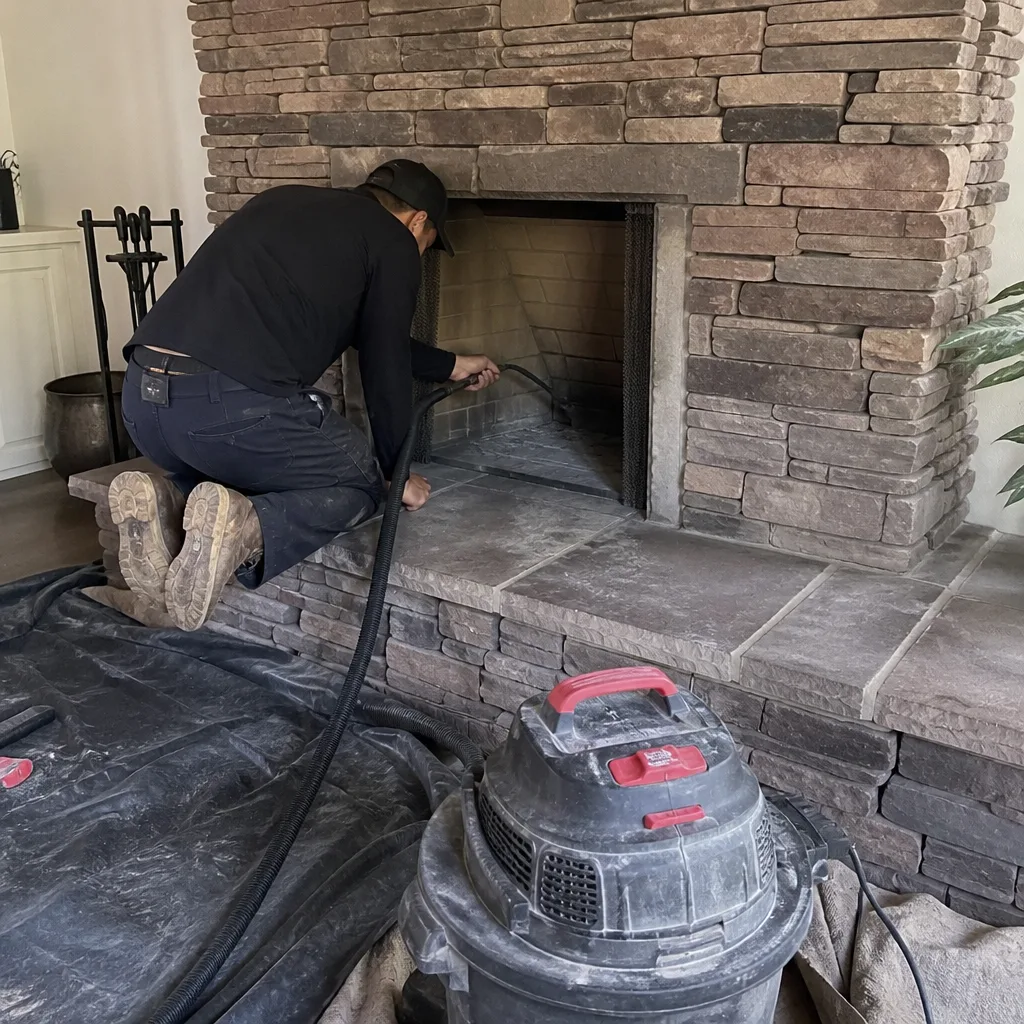
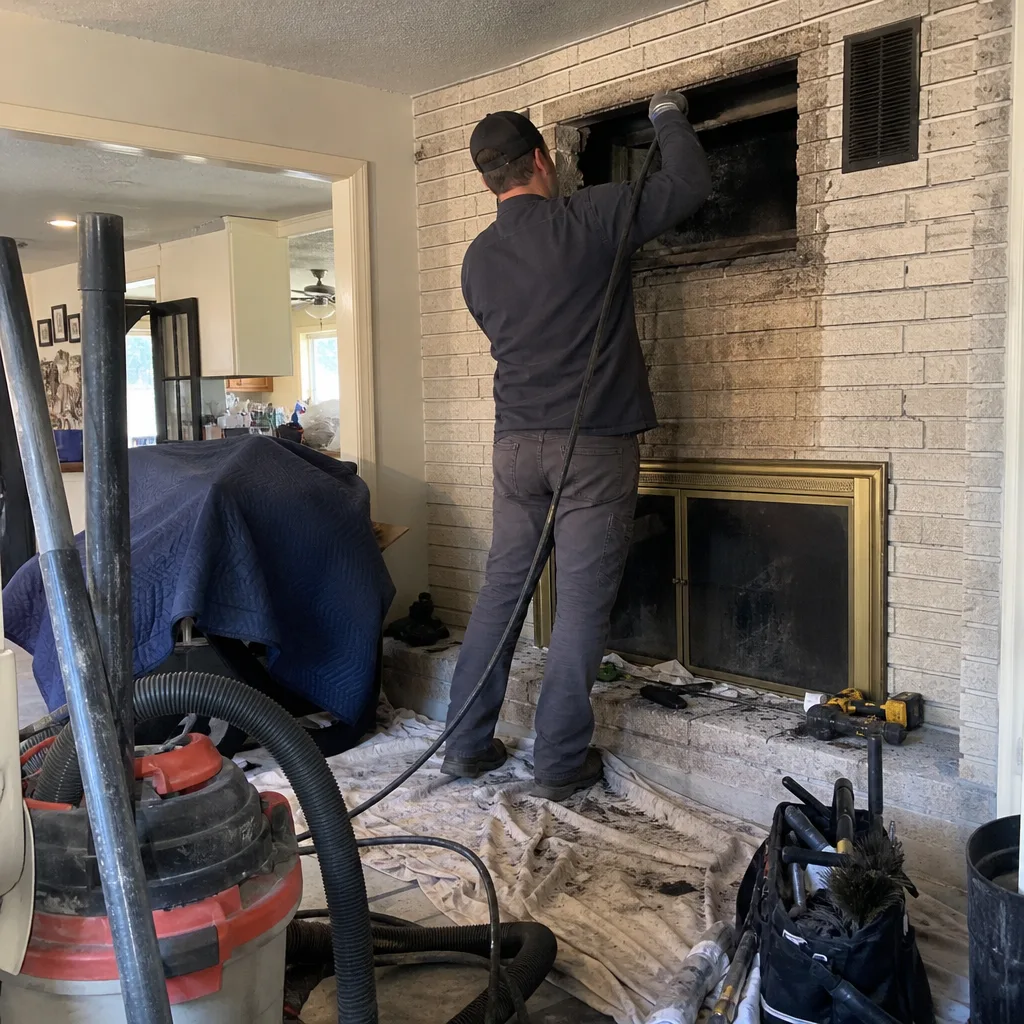
Specialist answer: Describes the actual process – bottom-up or top-down sealing, rotary brush or wire brush, drop cloths in the firebox, HEPA filtration, and a post-clean inspection with photo documentation.
Generalist answer: “We brush it out. It’s pretty straightforward.”
Question 3: “If you find a crack in my liner, what happens next?”
Specialist answer: Discusses the actual options: minor cracks can sometimes be addressed with resurfacing products like HeatShield, while severe deterioration requires a full reline with a product like DuraFlex. Also mentions that they’ll show you the crack on camera before discussing any repair.
Generalist answer: “We’d have to take a look and see.” (Translated: “I’ll figure out how to sell you something when I’m on site.”)
Question 4: “Do you clean dryer vents?”
Specialist answer: Yes, and explains why dryer vent cleaning belongs in the same category as chimney work – both are exhaust systems that move combustion byproducts and lint out of the home, and both are fire hazards when neglected. A specialist who handles chimneys and dryer vents understands airflow, draft dynamics, and clearance requirements as a system.
Generalist answer: “No, we just do fireplaces.” Or worse: “Sure, we can do that,” with no indication they understand dryer vent length limits, termination requirements, or the specific fire risks of a clogged dryer exhaust.
That fourth question is more telling than most homeowners realize. A company that handles Dryer Vent Cleaning in Carmichael alongside chimney work understands exhaust systems as a category. That’s the difference between a specialist and a fireplace hobbyist.
Question 5: “Can you walk me through what a typical repair would cost for a cracked crown or a rusted damper?”
Specialist answer: Gives real numbers. A crown seal in Carmichael generally runs $300 to $800 depending on size and access. A damper replacement runs $250 to $650. A specialist quotes these ranges from memory because they’ve done the work hundreds of times.
Generalist answer: “It depends. We’d have to come out and see it first.” True, but unhelpful. A generalist can’t quote from memory because they haven’t done the work enough to know what it costs.
Carmichael-Specific Considerations: Climate, Code, and Older Homes
Carmichael’s housing stock and climate create a specific set of chimney conditions that differ from other parts of California. A chimney contractor who doesn’t understand these local realities is operating at a disadvantage before they even reach your roof.
The Age of Carmichael’s Chimneys
Most of Carmichael’s residential development happened between 1950 and 1985, which means the majority of masonry chimneys in the area are between 40 and 75 years old. That age range is exactly when original terra cotta clay liners begin to crack, when crowns develop hairline fractures that widen with each winter’s freeze-thaw cycles, and when mortar joints in the firebox start to spall. A Carmichael-specific chimney inspection should account for this. A contractor who treats a 1965 rancher chimney the same as a 2015 new build is missing the local context.
Wet Winters and Dry Summers: The Freeze-Thaw Problem
Carmichael gets meaningful rain between November and March, and while hard freezes are rarely severe, the Sacramento Valley does drop below freezing several nights each winter. Water enters hairline cracks in a chimney crown or a masonry cap, freezes, expands, and widens the crack. Repeat this over 20 winters, and a small crown crack becomes a structural problem. This is why crown sealing and cap installation are the two most common chimney repairs we see in Carmichael, and why an annual inspection that documents incremental deterioration is more valuable than a cleaning every five years – something covered in our Chimney Cleaning Emergency Preparedness Guide for Carmichael Homes.
Gas Conversions and Orphaned Wood Chimneys
Many Carmichael homes built with wood-burning fireplaces have since been converted to gas inserts or gas log sets. When a wood-burning flue is no longer used for wood, homeowners often assume it doesn’t need maintenance. That assumption is dangerous. Gas appliances vent into the same flue, and while gas produces less creosote than wood, it produces acidic condensation that deteriorates clay tile liners at an accelerated rate. An orphaned fireplace or a gas conversion still needs annual inspection and periodic cleaning, even if the chimney hasn’t seen a wood fire in a decade.
Seismic Settling and the American River Influence
Carmichael sits on the north bank of the American River, and much of the area’s soil is part of the river’s historic floodplain. Over decades, minor seismic activity and soil movement cause chimneys to settle unevenly, which shows up as vertical cracks in the exterior masonry, separation between the chimney and the house, or cracked flue tiles that no longer align properly. These are conditions a local chimney specialist sees routinely and a visiting or seasonal contractor may miss entirely.
Common Mistakes to Avoid
- Hiring based on the lowest price without reading the line items. A $99 Carmichael chimney sweep is an upsell funnel, not a cleaning service. The math doesn’t work any other way.
- Skipping the camera inspection to save $50. The inspection is the part that keeps your house from burning down or your family from carbon monoxide exposure. It’s not the add-on.
- Assuming a general contractor license covers chimney work. It doesn’t. The C-61/D-34 classification is chimney-specific precisely because chimney work involves fire code compliance, flue dynamics, and venting clearances that general building knowledge doesn’t cover.
- Accepting “we’ll take a look” as a substitute for a pre-cleaning assessment. A proper chimney company asks about the age of your home, your fuel source, your last cleaning date, and any odors or smoke problems before quoting. A company that doesn’t ask questions doesn’t care about the answers.
- Not asking for insurance documentation until after the work is done. If a roofer falls off your Carmichael home and the company has no workers’ comp, your homeowner’s policy can be held liable. This isn’t theoretical; it’s a standard insurance industry scenario.
- Waiting until November to book a sweep. Carmichael’s chimney contractors book out four to six weeks ahead of the first cold snap. Schedule your cleaning in August or September, when the inspection gets the time it deserves and the quote gets the attention it requires.
- Believing a gas fireplace doesn’t need annual maintenance. Gas inserts still vent through a flue, still produce acidic condensation, and can still deposit debris in the venting system. A gas fireplace that hasn’t been inspected in years is a carbon monoxide risk.
When to Call a Professional
Some situations don’t belong in a guide about hiring, because the answer is simply: pick up the phone. If you smell smoke or soot in your Carmichael home when the fireplace isn’t in use, something is wrong with the damper, the flue, or the drafting. If you see damp spots on the ceiling near the chimney chase or staining on the wall above the fireplace, water is entering the system and deteriorating it from the inside. If you hear animals in the chimney, you have a live fire hazard in the form of nesting material. If your carbon monoxide detector has gone off and a gas appliance is involved, evacuate, ventilate, and call a professional before you return. Chimney Sweep Carmichael offers Chimney Repair in Carmichael alongside sweep and dryer vent services, which means the diagnostic step and the repair step happen under one roof, with one accountable provider. Call (833) 593-4469 for a free estimate in Carmichael.
Frequently Asked Questions
A standard wood-burning chimney sweep in Carmichael typically costs between $180 and $350, depending on flue height, liner condition, accessibility, and whether the fireplace has been recently maintained. A gas fireplace cleaning usually runs $150 to $300. Any quote below $100 should be treated as a lead-generation loss leader rather than a complete cleaning. Call (833) 593-4469 for an exact quote on your specific chimney.
Wood-burning fireplaces should be swept annually if used regularly during the Sacramento winter. Gas fireplaces and gas inserts should be inspected annually and cleaned every one to two years. Even if a wood-burning fireplace is rarely used, an annual inspection catches crown cracks and liner deterioration before they become structural repairs.
Look for CSIA certification and a California C-61/D-34 contractor license. CSIA verifies technical knowledge through examination and continuing education. The C-61 license verifies a minimum of four years of journey-level experience, a business exam pass, and a state-required surety bond. Ask for proof of both.
Ask to see the camera evidence. A legitimate Carmichael chimney contractor can show you the crack, the spalled tile, or the separation on a video feed or a still image, and can tell you the exact location in the flue. If someone recommends a $4,000 reline and can’t show you inside your own chimney, get a second opinion before authorizing anything. Mid-tier options like HeatShield resurfacing can sometimes address minor liner deterioration without a full reline, but only a diagnosis based on real inspection data should determine the path.
Creosote accumulates. Creosote is flammable. The National Fire Protection Association identifies creosote buildup as the leading cause of chimney fires. A chimney fire can crack your liner, spread to the structure, and in the worst cases, burn the house down. Beyond fire risk, a neglected chimney with a cracked liner can leak carbon monoxide into the living space, and a deteriorating crown lets water into the masonry, which expands in Carmichael’s winter freeze-thaw cycles and accelerates the damage. Skipping the cleaning for “a few years” is how a $250 maintenance task becomes a $4,000 reline.
You can sweep a chimney yourself with the right equipment, but you cannot inspect it without a camera and the experience to interpret what you’re seeing. DIY sweeping removes loose creosote but it doesn’t identify cracked liners, separated flue tiles, or damaged caps. The most dangerous conditions in a Carmichael chimney are invisible to a homeowner with a brush. If you’re comfortable doing the basic sweep yourself, still hire a professional for an annual inspection. The inspection is the part that keeps you safe.
The Bottom Line
Hiring a chimney cleaning contractor in Carmichael is about filtering, not necessarily about finding. The right contractor has a C-61/D-34 license, carries CSIA certification, provides insurance documentation without hesitation, includes a camera inspection in their standard service, and can name the liner material in your chimney before they ever leave the ground. The wrong contractor quotes $99 and sells repairs without evidence. Carmichael’s older masonry chimneys, wet winters, and seismic settling make annual inspection more than routine maintenance: it’s structural monitoring on the part of your house that removes fire and gas from your living space. Do the homework once, find a specialist worth keeping, and your chimney is set for decades. A professional-grade company with trade-brand materials and chimney-only focus is worth more in Carmichael than a discount brush and a leaf blower.
Written by the team at Chimney Sweep Carmichael, serving Carmichael and the surrounding Sacramento area.
See the difference
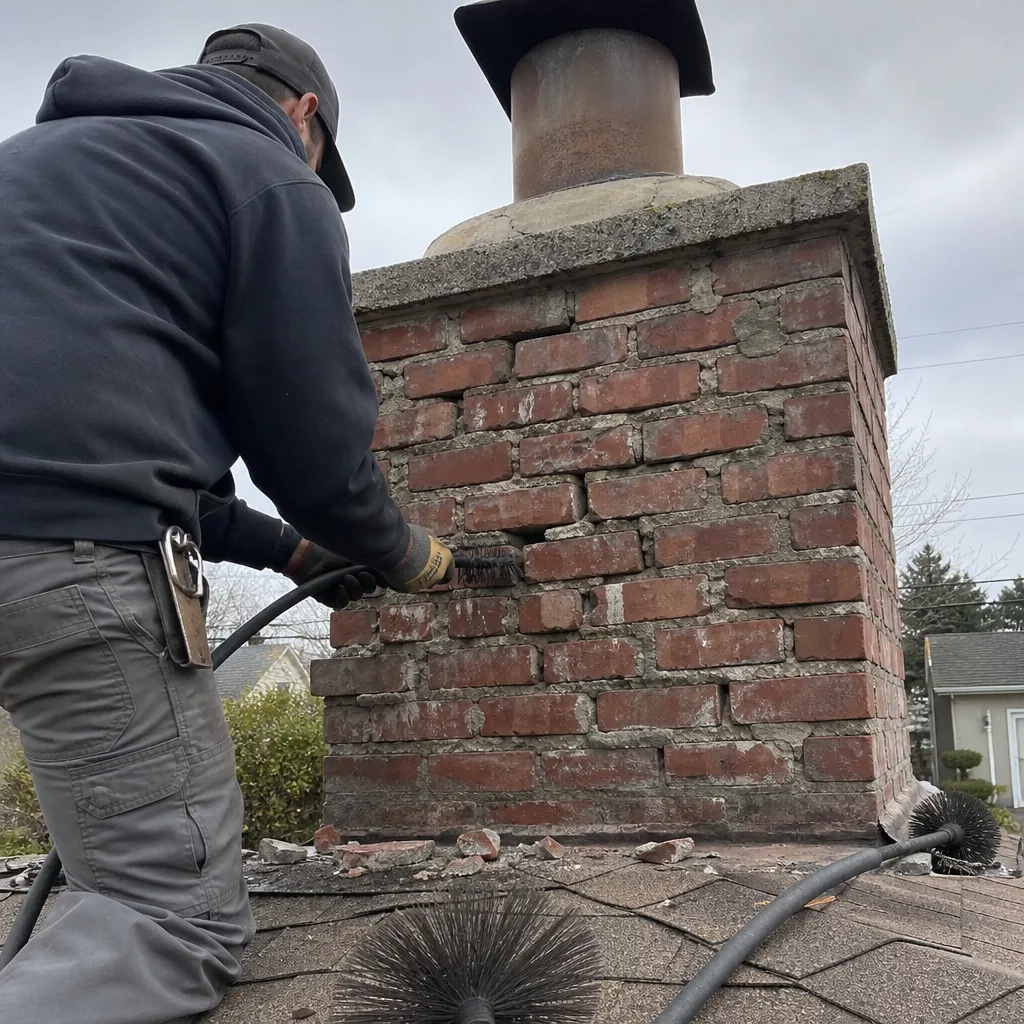 Before
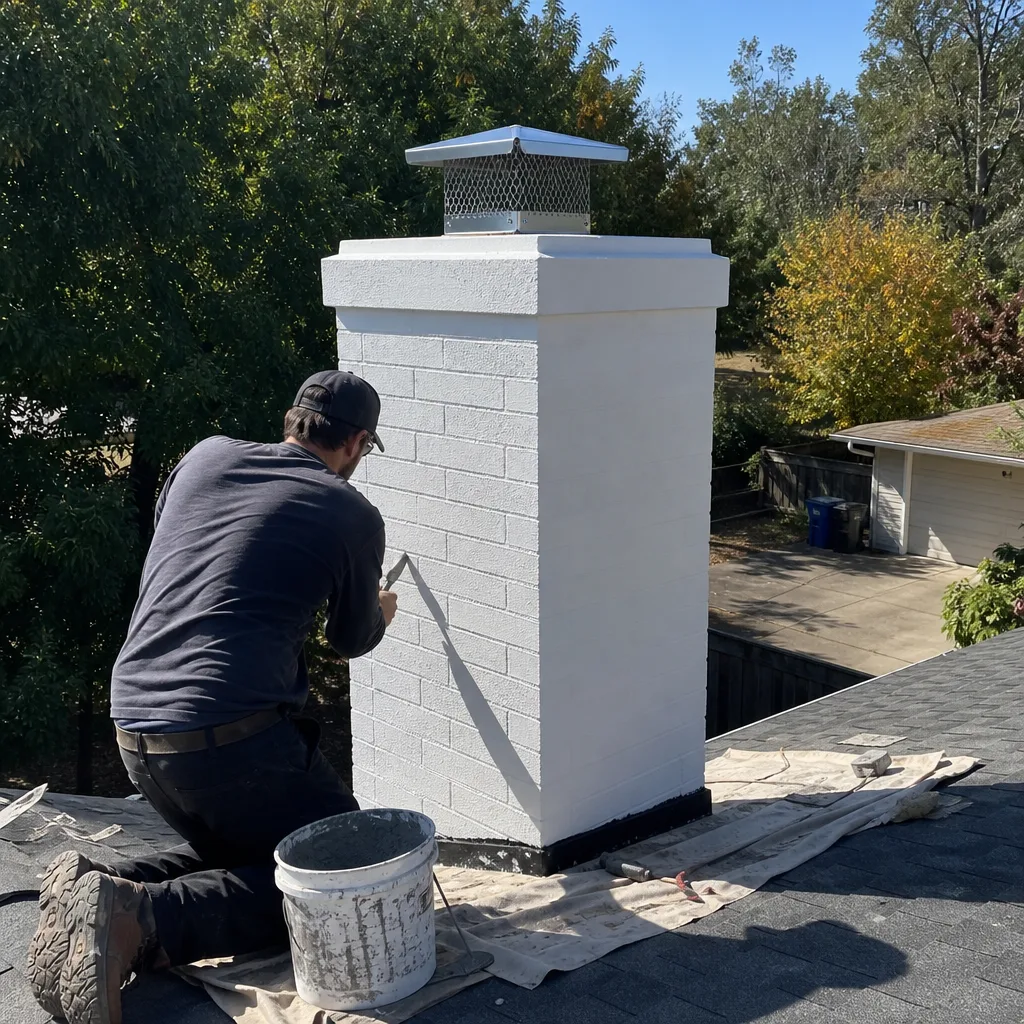 After
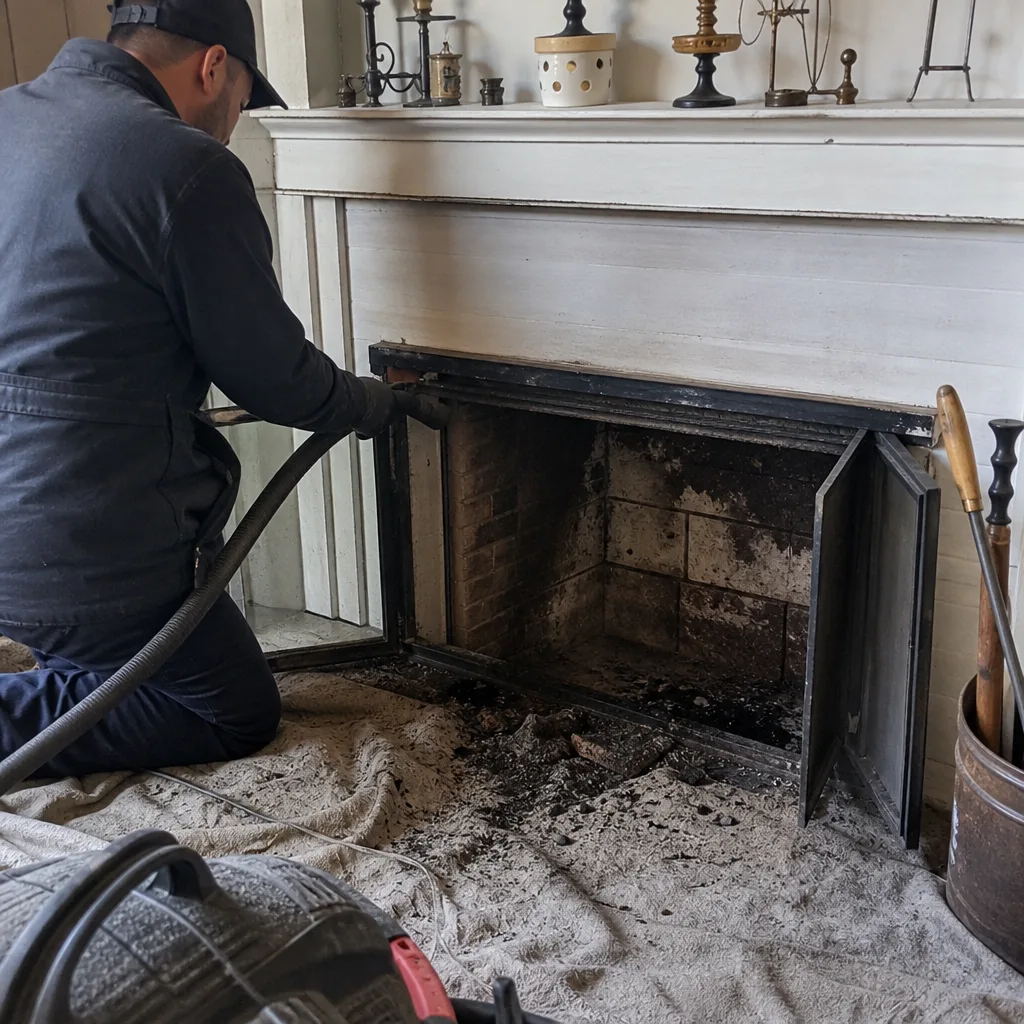 Before
 After
 Before
 After