
Last updated November 2, 2026
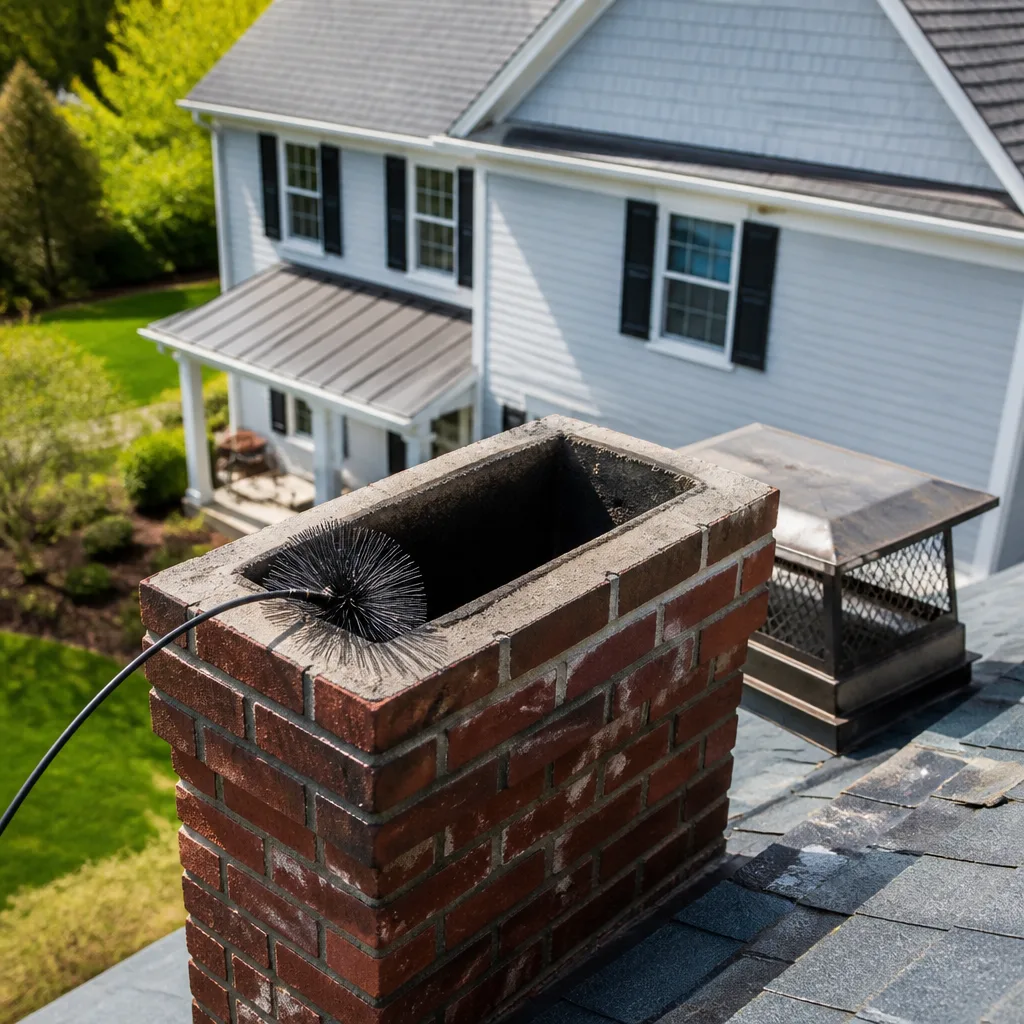 Sweep & inspection
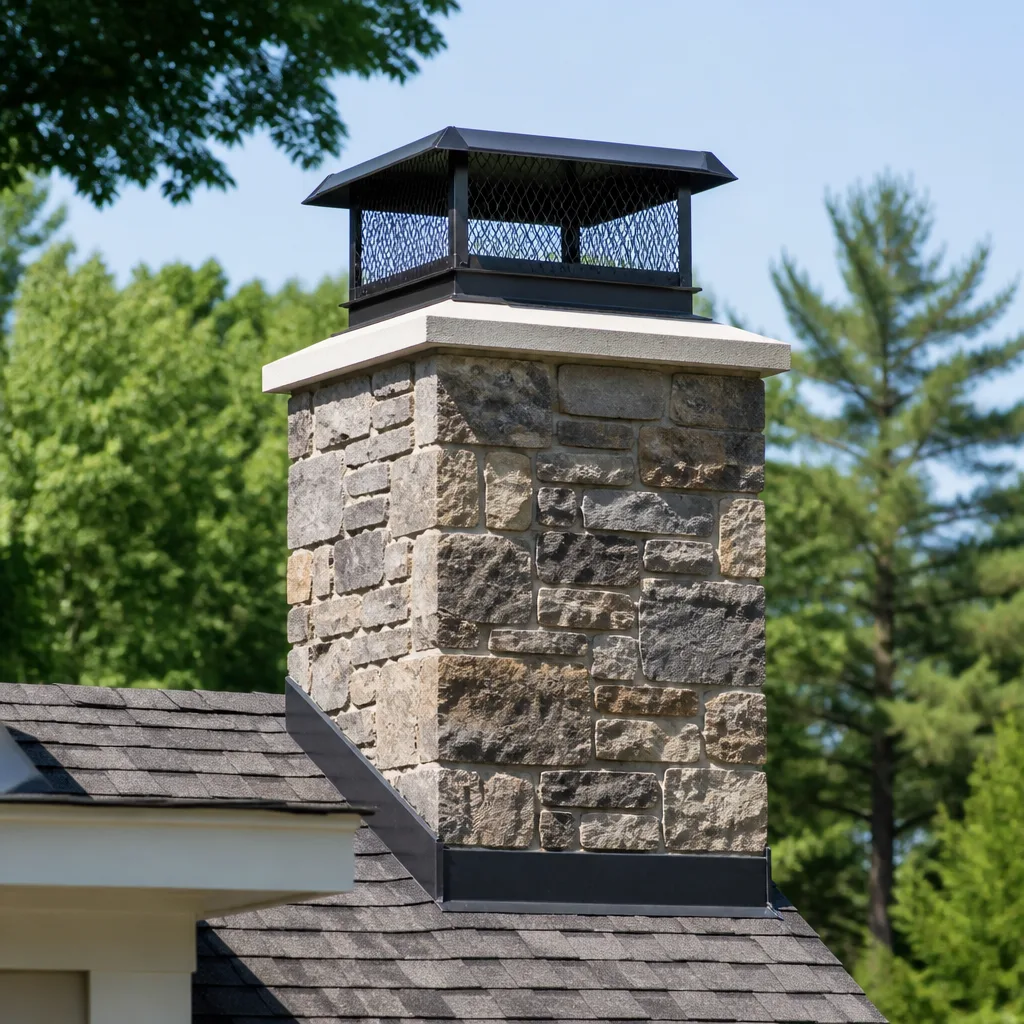 Caps & crowns
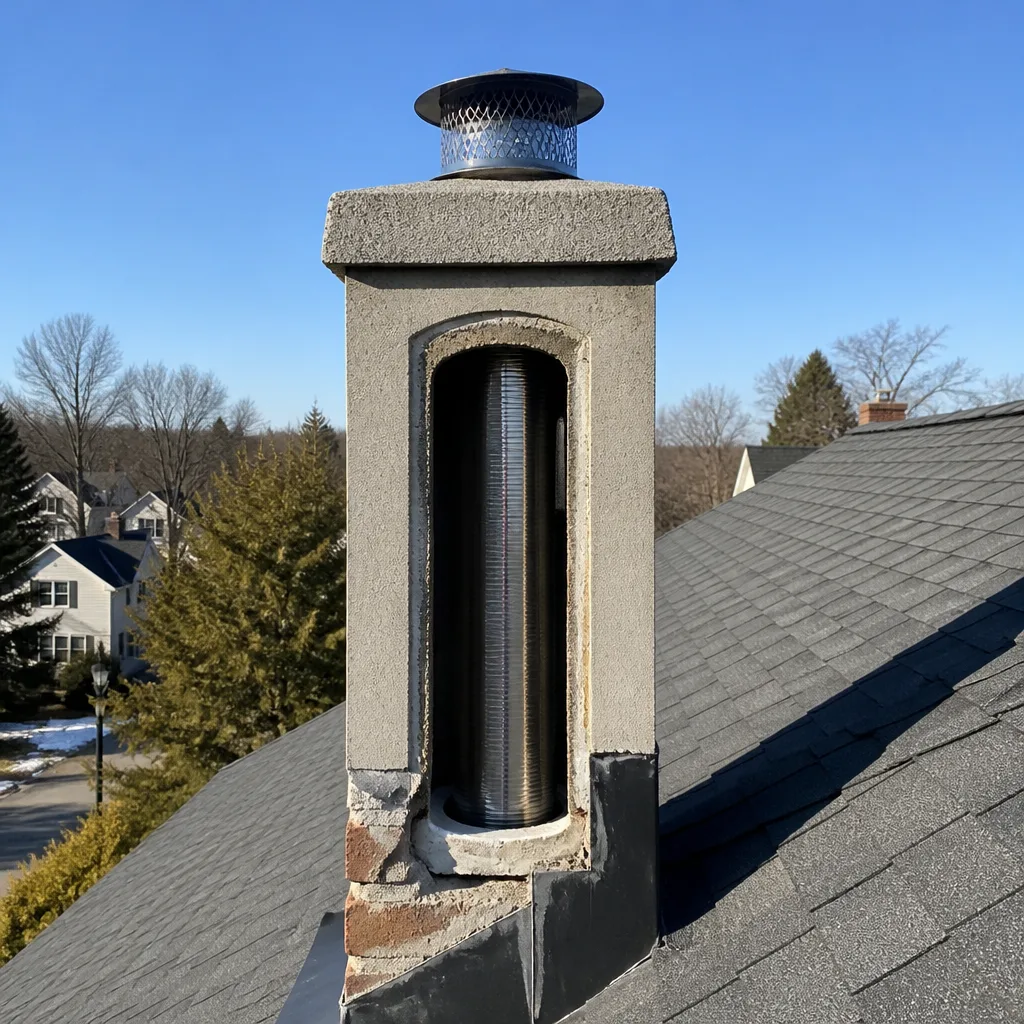 Flue relining
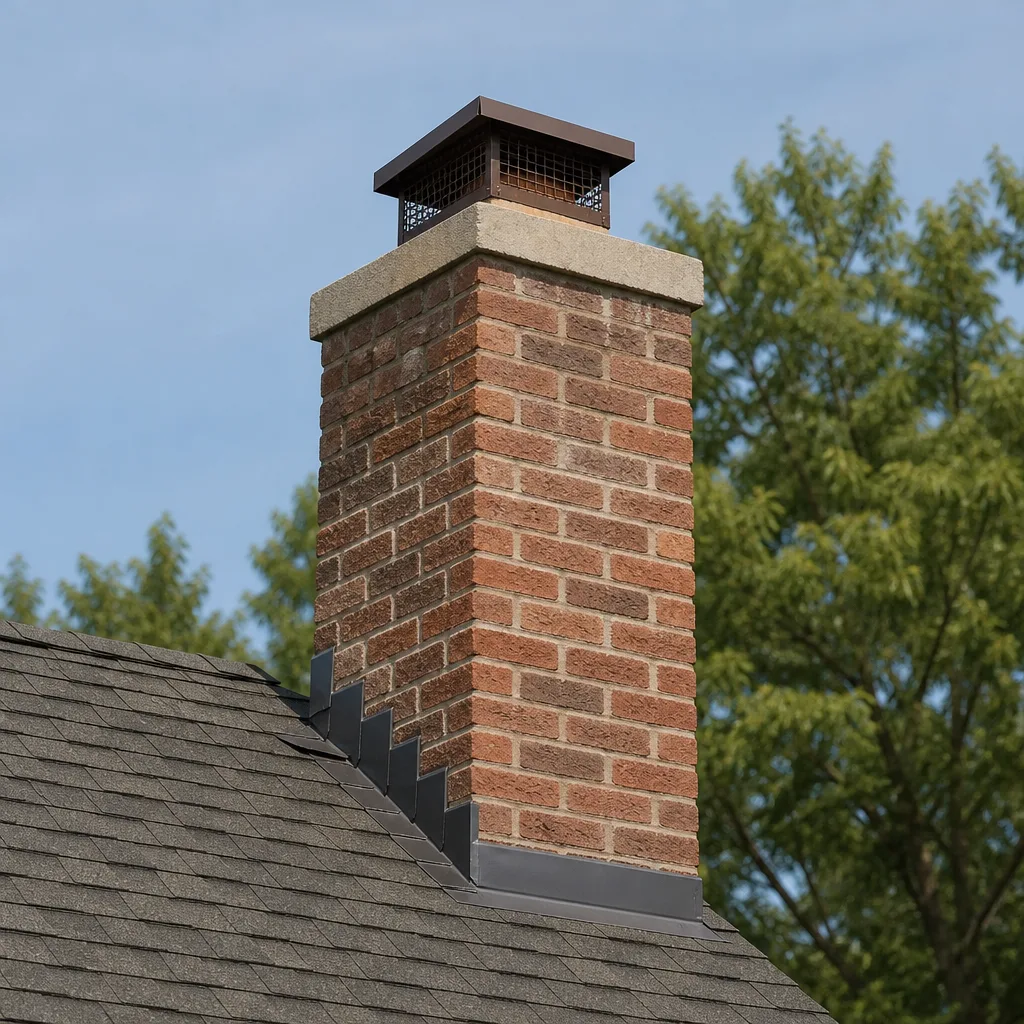 Masonry repair
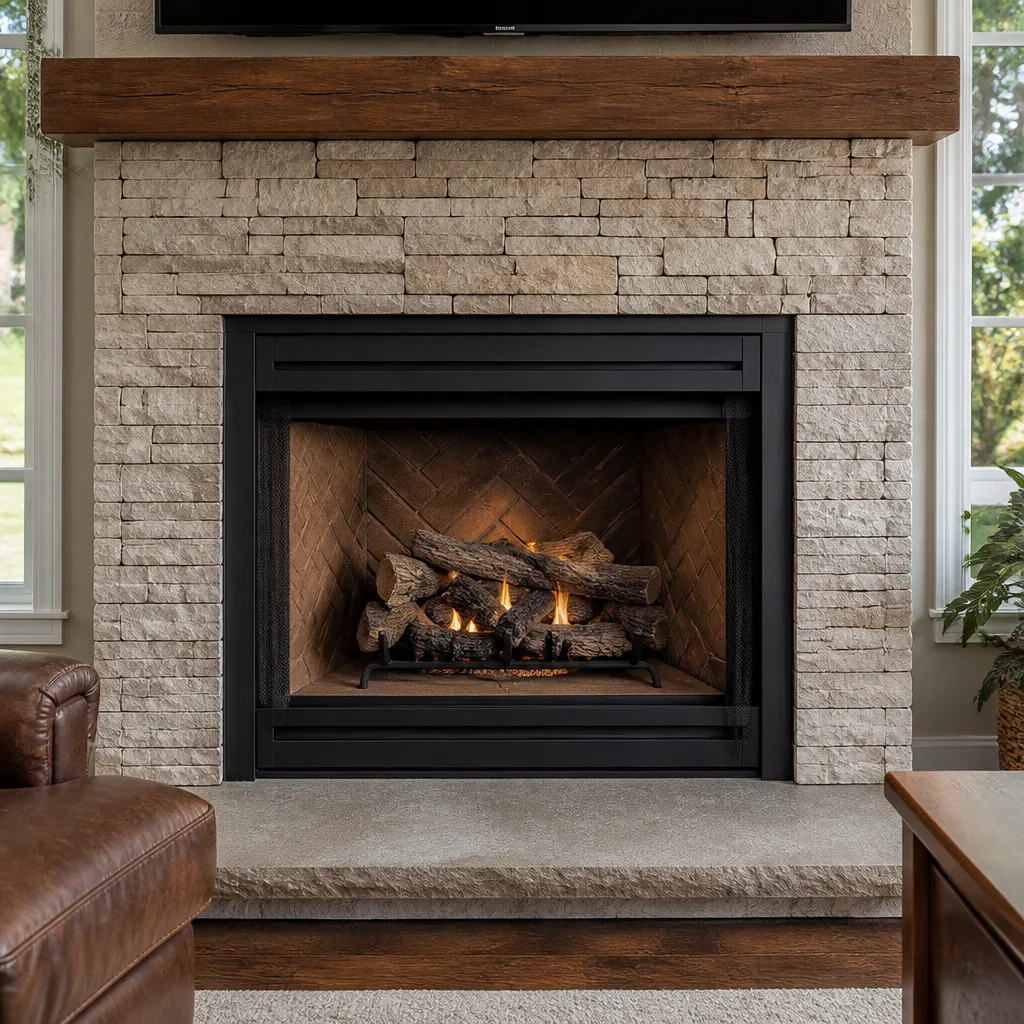 Gas fireplace service
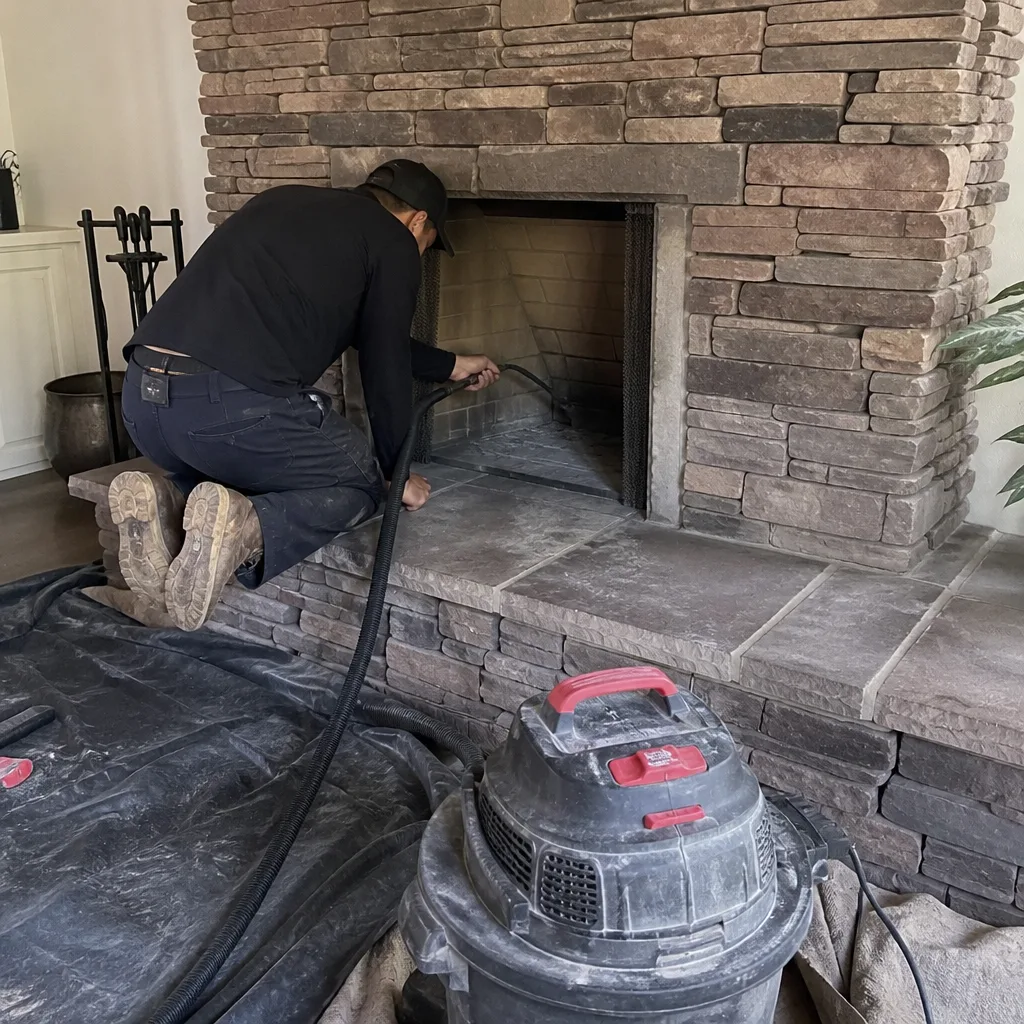
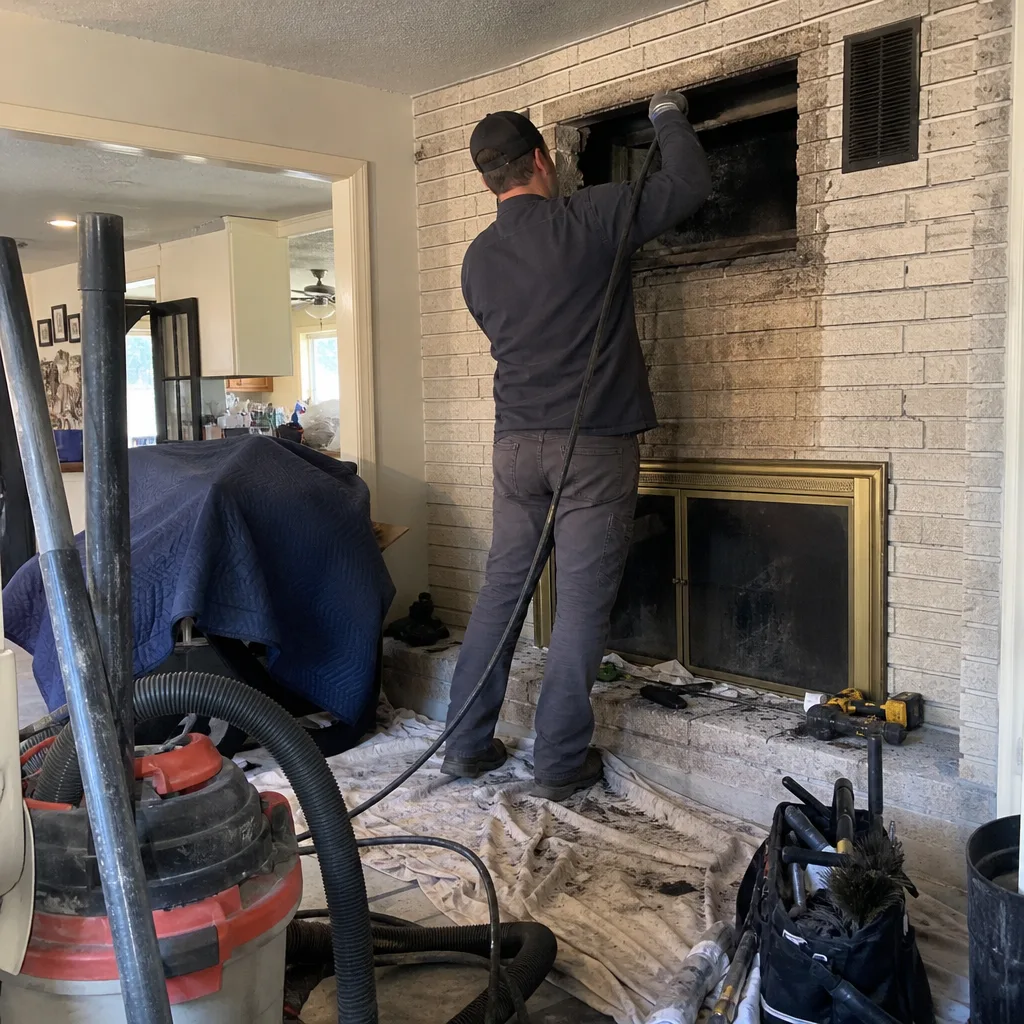
Level 1 sweep and inspection to the NFPA 211 annual standard - flue, crown, cap, and flashing checked and photographed
Chimney sweep logs do not sweep chimneys. They loosen some creosote - which then falls where a brush and vacuum still have to collect it.
Seasonal Chimney Cleaning Care for Carmichael: Year-Round Homeowner’s Guide
Most chimney maintenance advice written for American homeowners assumes something Carmichael residents know isn’t true: that winter is the enemy and summer is the off-season. The conventional wisdom says sweep in late summer, burn all winter, and call it a year. But Carmichael’s actual seasonal pattern is nearly inverted. Our mild winters mean the heating season is short and intermittent, while our long, dry summers with wildfire smoke events and fall wind storms create a completely different kind of chimney stress. This guide explains what actually happens inside your flue each month in Carmichael, and why the standard national advice often leaves local homeowners with a false sense of security about a system they’re not using heavily, but should still be watching. For more guides & resources tailored to the region, see our full collection.
Styles & brands we work with
- Sweep & inspection
- Caps & crowns
- Flue relining
- Masonry repair
- Gas fireplace service
Quick Answer
Seasonal chimney care in Carmichael means scheduling your professional sweep before the first fall burn (typically October), keeping the damper closed through wildfire smoke season to block particulate intrusion, and inspecting caps and spark arrestors after spring wind events. Unlike cold-climate homes that burn continuously from November through March, Carmichael chimneys need year-round attention focused on three local stress points: oak creosote buildup from short hot fires, summer smoke particulate accumulation, and wind-driven debris damage during the spring and fall.
Table of Contents
- Why Carmichael’s Climate Demands a Different Chimney Calendar
- Spring: Wind Damage, Nesting Season, and the Post-Season Inspection
- Summer: Wildfire Smoke, Closed Dampers, and the Heat Factor
- Fall: Pre-Burn Verification for Oak Season
- Winter: Managing the Short, Intermittent Heating Season
- Gas Fireplace and Insert Seasonal Care: A Separate Protocol
- SMAQMD Burn Curtailment Days and Your Chimney
- Common Mistakes to Avoid
- When to Call a Professional
- Frequently Asked Questions
- The Bottom Line
Why Carmichael’s Climate Demands a Different Chimney Calendar
Carmichael sits in the Sacramento Valley, where the American River Parkway shapes local weather in ways that matter for your flue. We get roughly 20 inches of rain per year, almost all of it between November and March. Summers are long, hot, and dry, with regular wildfire smoke intrusions from fires in the Sierra foothills and the coast range. Fall brings the Delta breeze and wind events that strip leaves and branches from oak, sycamore, and pine, sending debris across rooftops and into uncapped or poorly capped chimneys. Spring is a compressed period of rain, wind, and rapid growth, when birds and squirrels are actively seeking nest cavities, and uncapped flues are prime real estate.
What this means for your chimney is straightforward: the stress isn’t continuous cold-weather burning. It’s a cycle of short, hot oak fires during a modest heating season, followed by long stretches of inactivity during which the flue accumulates fine particulate, nests, or water intrusion through cracked crowns and failed caps. A chimney that worked fine in January can be unsafe by November, not because you overused it, but because it sat unattended through months of environmental exposure. National guides that tell you to sweep once a year and forget it don’t account for what Carmichael’s off-season actually does to a flue system.
The technical consequence is that Carmichael chimneys often show a different contamination profile than cold-climate chimneys. Instead of thick, tarry creosote from sustained low-temperature burns, we typically see a lighter but more abrasive layer of oak-wood creosote mixed with fine wind-blown dust and wildfire smoke particulate. That mixture is easier to dislodge with standard sweeping than dense creosote, but it’s also more likely to be hiding secondary damage: a hairline crack in the flue tile, a corroded damper assembly, a cap that lost its spark arrestor mesh in a spring windstorm. A sweep that just runs a brush up and down without inspecting these components is missing what Carmichael’s climate actually does to chimneys here.
What you’ll find below is a month-by-month framework built for this specific climate, not repurposed from a Boston or Minneapolis guidebook. If you’ve been following generic advice and something feels off, this is where the local picture comes into focus.
Spring: Wind Damage, Nesting Season, and the Post-Season Inspection
Spring in Carmichael runs from March through May, and it’s arguably the most underrated season for chimney care. The heating season has just ended. Your last fires were probably in February or early March. The natural temptation is to close the damper and forget about the fireplace until October. But spring is when three things happen simultaneously: wind events kick up debris, animals start looking for nest sites, and the final rains of the season test your cap and crown.
The Post-Season Walkthrough
Before you close the damper for the summer, do a basic visual check. This isn’t a substitute for a professional inspection, but it tells you whether you need to schedule one. Here’s the sequence we use when we’re training new technicians in Carmichael:
- Look at the exterior cap from the ground. Is it still there? After a strong wind event, caps can loosen or shift. A cap that’s tilted or partially detached isn’t protecting anything. If you can see the cap clearly from your driveway or back yard, that’s a start. If you can’t see it at all, that’s a problem worth a call.
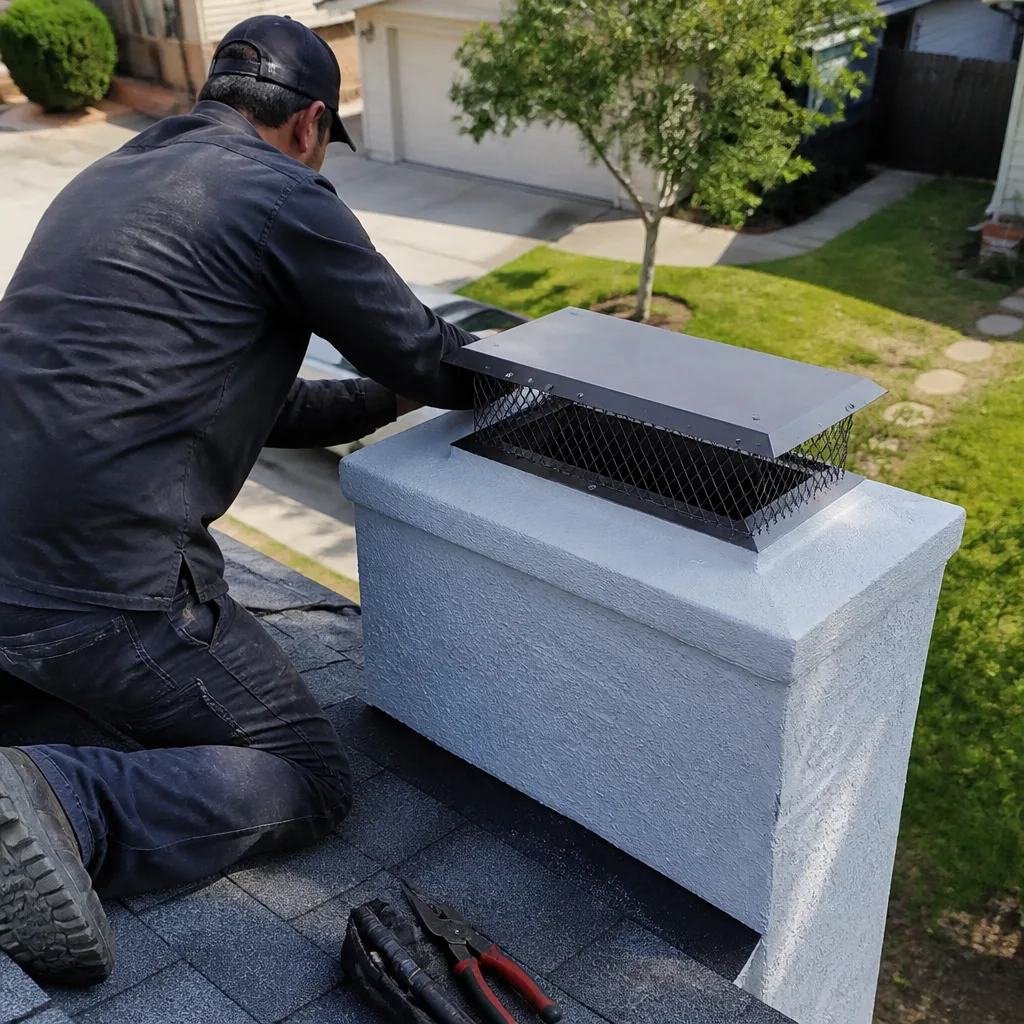
- Check the spark arrestor mesh. The fine mesh around the cap is what stops embers from escaping and also blocks birds and squirrels from entering. Wind-driven debris can tear or dent this mesh. If it’s compromised, animals will find it.
- Open the damper and shine a flashlight up. You’re looking for two things: daylight at the top (good, means the flue is open) and any visible debris, nesting material, or unusual staining on the flue walls. If you see twigs, leaves, or grass, something got in, and that needs professional removal before you burn again.
- Smell the fireplace. Put your head near the firebox opening on a warm day. If you smell a strong, musty, or ammonia-like odor, that’s usually an animal presence or significant moisture intrusion. Both require attention before the summer heat bakes the problem further.
- Close the damper and note how smoothly it operates. If it sticks, grinds, or won’t seat fully, you’ve got a damper issue that will only get worse. A damper that won’t close fully lets air-conditioned air escape all summer and allows smoke particulate to enter during fire season.
If all five checks pass, you’re in good shape for the off-season. If any one of them fails, spring is the cheapest time to address it. Waiting until fall means competing for sweep appointments with everyone else who just remembered they have a fireplace, and it means living with a compromised system through the summer.
Why Spring Inspection Catches Problems Cheaper
This is a point worth making bluntly: a crack in a flue tile found in April is usually a resurfacing or repair job. A crack found in November, after a summer of expansion cycles from heat and water intrusion, might be a full reline. The same material responds to the thermal cycling of a Sacramento Valley summer differently depending on whether it’s already compromised. HeatShield resurfacing, which uses a ceramic compound to restore failing flue tiles, is most effective when the damage is caught before water has worked its way into the surrounding masonry all summer. Catching these issues in spring isn’t just about convenience. It’s about repair scope and cost.
We recommend every Carmichael homeowner do the five-step check above in late March or early April. If anything looks off, schedule an inspection. If it all looks fine, close the damper, leave it closed, and move into summer with confidence.
Summer: Wildfire Smoke, Closed Dampers, and the Heat Factor
Summer in Carmichael is the season everyone forgets the chimney exists. That’s understandable. Highs in the 90s and 100s, smoky skies from July through September, and the last thing on anyone’s mind is the fireplace they haven’t used in months. But summer is exactly when Carmichael chimneys take on their most distinctive form of contamination: wildfire smoke particulate.
What Wildfire Smoke Does to Your Flue
When the American Fire or the Mosquito Fire or any of the Sierra foothills fires push smoke into the Sacramento Valley, that smoke doesn’t just sit outside. It infiltrates homes through every opening, including, critically, chimneys. If your damper is even slightly open, or if the damper doesn’t seat tightly, wildfire smoke gets drawn down into the flue by the same pressure differentials that pull air through your home. Inside the flue, the fine particulate in that smoke settles on the walls, on the damper, and on any existing creosote deposits.
This material is not the same as wood-fire creosote. It’s finer, drier, and more acidic. When it settles inside an unused flue over a period of weeks or months, it forms a layer that behaves differently when you eventually light a fire in the fall. The first hot fire can cause this layer to lift off in small flakes, which is normal, but it can also produce a brief, acrid smell that homeowners sometimes mistake for a chimney fire or a leak. More importantly, this accumulated particulate can accelerate corrosion on metal dampers and masonry flue surfaces, especially if it sits in place through the humid shoulder season.
The fix is remarkably simple: keep the damper fully closed from late spring through early fall. Not cracked. Not “mostly closed.” Fully seated. A damper that’s open even an inch during smoke season is an active intake vent for airborne fine particulate. This is also why that spring walkthrough matters. You can’t close a damper that doesn’t seat properly.
The Heat Factor: Thermal Cycling and Masonry Stress
Carmichael summers produce sustained temperatures above 95 degrees, with roof surfaces substantially hotter. Your chimney, especially the portion above the roofline, goes through daily cycles of expansion during the day and contraction overnight. Over a single summer, that’s hundreds of thermal cycles. Masonry and mortar handle this stress reasonably well when the system is sound. But if there’s a pre-existing crack in the crown, a deteriorated mortar joint, or a missing cap, those cycles accelerate the damage.
Water is the other half of the equation. Sacramento Valley summers are dry, but when water does enter a chimney system, either from an unnoticed leak or from the occasional summer thunderstorm, the heat causes it to expand and contract more aggressively than during the cooler months. A crown crack that’s a cosmetic issue in January can become a structural problem by September. If you notice any efflorescence, which is a white, chalky deposit on the exterior masonry of your chimney, that’s mineral salt being pushed out by water moving through the brick. It’s a sign that water is getting in, and summer is when that water does the most damage.
Summer Action Items for Carmichael Homeowners
- Keep the damper closed through smoke season. Check it once in May just to confirm it seats fully, then leave it alone.
- Do a visual exterior check once a month. Look for missing mortar, cracks in the crown, or a cap that’s shifted. You don’t need to get on the roof. Binoculars work fine.
- If you smell smoke inside the house during fire season, don’t assume it’s coming through an open window. Check the fireplace. If smoke odor is stronger near the firebox than elsewhere in the home, your damper isn’t sealing, and you’ll want that addressed before burning season.
- If you have a gas fireplace, test the pilot and burner once in July or August. Better to discover an ignition issue in the off-season than on the first cool evening in November. More on gas-specific care below.
Summer is also a smart time to schedule your professional sweep and inspection. Seriously. Most Carmichael homeowners wait until October, which means sweep availability tightens and you’re booking around peak demand. If you book in August, you’ll get your pick of appointment times, your sweep will be working in good conditions, and you’ll have the whole system verified before the first cold snap. Our Chimney Sweep in Carmichael service runs year-round for this exact reason.
Fall: Pre-Burn Verification for Oak Season
Fall is when Carmichael fireplaces come back to life. The season typically starts in late October or early November, when the first cool evenings arrive. It’s also when most homeowners schedule their annual sweep, which is fine, but it’s important to understand what a pre-season service should actually verify in this area, because Carmichael’s burn profile is different from most of the country.
Oak, Not Fir: What Carmichael Actually Burns
Carmichael homes burn a lot of oak. Valley oak, blue oak, and the occasional live oak all produce dense, high-BTU wood that burns hot and relatively clean when properly seasoned. But oak that hasn’t been seasoned long enough, or oak that’s been sitting in the back yard getting rained on, burns cooler and produces more creosote. This is the single most common chimney problem we see in Carmichael in the fall: a homeowner who bought a cord of oak in August thinking it would be ready for November, and it’s not.
Oak needs 12 to 18 months to season properly. That’s the reality for a hardwood of this density. A cord purchased in August of the burning year is, in most cases, not going to be ready for the upcoming season. Burning unseasoned or partially seasoned oak produces dense smoke that condenses inside the flue as creosote more readily than any other wood type common to this area. If you’re planning to burn oak this winter, the time to buy it is now for next year, not now for this year.
What a Pre-Season Sweep Should Verify
A proper pre-season service in Carmichael covers more than brushing the flue. Here’s what the verification should include:
- Creosote level and type. Stage one creosote is a light, flaky dust. Stage two is a crunchy, tar-like layer. Stage three is a hard, glossy glaze. In Carmichael, we mostly see stages one and two from oak burning, but a fireplace used with green wood can develop stage two quickly. The sweep should tell you what stage you had and what it means for burn frequency.
- Flue tile condition. A camera inspection is the standard for identifying cracks, gaps, or spalling in the ceramic flue liner. This isn’t optional. The difference between a flue that’s safe to burn and one that’s a chimney fire waiting to happen is not visible to the naked eye from the top or bottom. If your sweep doesn’t offer camera inspection, ask about it.
- Damper operation and seal. The damper should open and close smoothly and seal completely when closed. A damper that doesn’t seal wastes heated air during the winter and lets smoke particulate in during the summer.
- Cap and spark arrestor integrity. The cap should be secure, the mesh intact, and the airflow unobstructed. For Carmichael’s fire-prone surroundings, a functioning spark arrestor is not optional. It’s a fire-safety device.
- Smoke chamber and smoke shelf. These areas catch falling creosote and debris, and they’re often missed by quick sweeps. They should be clear and clean.
If you’ve done nothing all spring and summer, this fall service is the single most important maintenance event of the year. It’s your chance to catch summer damage before the first fire, not after. If the inspection turns up flue tile damage, ask about your options. A full reline using a DuraFlex liner system is the gold standard, but if the damage is moderate, HeatShield resurfacing can restore the existing flue without a full teardown and reline. That mid-tier option exists, and it’s worth asking about if your sweep says “you need a new liner” without offering alternatives.
Winter: Managing the Short, Intermittent Heating Season
Carmichael winters are short. The real heating season runs from about mid-November to late February, and even within that window, many weeks don’t require fire at all. Daytime highs frequently reach the 50s and 60s, and nighttime lows only dip below 40 for a portion of the season. This intermittent usage pattern shapes how your chimney should be managed, and it’s different from cold-climate advice.
The Short-Burn Creosote Problem
Here’s a counterintuitive fact about Carmichael fireplace use: short, occasional fires create proportionally more creosote risk per burn than long, continuous fires in cold climates. When you light a fire on a mild evening in December, the flue has to heat up from ambient temperature. If the flue is cold, the smoke cools rapidly as it rises, and the creosote condenses out on the flue walls before it exits. This is worst during the first 15 to 20 minutes of a fire. In a cold-climate home where the fire burns all day, the flue gets hot and stays hot, and creosote deposition becomes a smaller proportion of total fuel burned. In Carmichael, where a typical fire might last two or three hours on a cold evening, that startup period is a larger share of total burn time.
The practical advice is to burn hot, well-seasoned wood and avoid the temptation to smolder a small fire for “ambiance” on a mildly cool evening. A small, low-oxygen fire produces the dense, cool smoke that contributes most to creosote buildup. If you’re going to burn, burn properly: adequate air, seasoned oak or other hardwood, and a fire that’s actually heating the flue, not just the room.
Burn Frequency Notes for Carmichael
- Two or three fires per week during the cold weeks is typical for Carmichael wood-burning households. That’s a light-to-moderate usage pattern compared to cold-climate homes, but it still produces creosote, just more slowly.
- If you burn less than once a week, you’re in a very light usage category. An annual sweep is still recommended, but you may not need mid-season attention unless something changes.
- If you burn every evening from November through February, you’re a heavy user by Carmichael standards. A mid-season visual check in January is smart, especially if you’ve been burning wood that hasn’t been seasoned a full year.
- If you start to see smoke backing up into the room, or notice an unusual amount of smoke from the chimney that doesn’t clear after the fire gets going, stop burning and get an inspection. These are signs of restricted draft, which can indicate creosote accumulation or a blockage.
The Mid-Winter Check
For most Carmichael households, a single professional sweep in early fall is sufficient for the entire heating season. But if you’re burning more than a few times a week, or if you bought wood this year that’s acting like it’s not fully seasoned, consider a mid-season visual check. You can do a basic version yourself by shining a flashlight up from the firebox after the fire has been out for at least a day. Look for a creosote layer that’s thick enough to scrape with a poker. If you can remove a significant amount of dark, crusty material, it’s time for a sweep. If the flue walls still look mostly clean, you’re fine through the rest of the season.
Catching creosote accumulation early in the season isn’t just about fire safety, though that’s the primary concern. It’s also about avoiding the late-winter rush when sweeps are busy with everyone else’s neglected fireplaces. A January sweep is a much easier appointment to book than a February emergency.
Gas Fireplace and Insert Seasonal Care: A Separate Protocol
Gas fireplaces and inserts require a completely different seasonal care routine than wood-burning fireplaces, and most generalist chimney guides gloss over this. If you have a gas unit in Carmichael, here’s what matters for you specifically.
Why Gas Units Still Need Chimney Attention
A gas fireplace doesn’t produce creosote, and it doesn’t leave behind unburned wood particles. But it does produce acidic combustion byproducts that, over time, can corrode the interior of the chimney or venting system. It also relies on proper venting to move carbon monoxide out of the home. When a gas unit’s venting is compromised, either through a blocked termination cap, a damaged liner, or an improperly sealed connection, the result isn’t a chimney fire. It’s carbon monoxide entering your living space. This is the single most important reason gas fireplace owners in Carmichael need professional attention on a regular basis, even though the maintenance tasks are different from wood burning.
Seasonal Gas Unit Checklist
- Summer: Test the unit once. On a hot day in July or August, turn the unit on briefly, just long enough to confirm the pilot lights or the electronic ignition fires and that the flame looks steady and blue. This catches problems during the off-season, not the first night you need heat. Also, turn the unit completely off at the control valve during the summer to save the small amount of gas the pilot consumes. It’s not a lot, but it’s also wasted during months when you’ll never use the fireplace.
- Fall: Have the unit serviced. A professional gas fireplace service includes cleaning the burner and pilot assembly, checking the thermopile or thermocouple, verifying gas pressure, and inspecting the venting system. This should happen before the first regular use of the season. If your unit is vented through a masonry chimney, the sweep should also check the condition of the liner and the termination cap.
- Winter: Watch the flame. A healthy gas fireplace flame is mostly blue with yellow tips. A flame that’s mostly yellow, lazy, or sooty indicates incomplete combustion, which means the unit isn’t burning efficiently and may be producing elevated carbon monoxide. If you see this, stop using the unit and get it checked.
- Spring: Clean the glass and surround. Gas fireplaces accumulate a light film on the interior glass over the season. Cleaning it in the spring, before the glass sits in the heat and the residue bakes on, makes the job easier and keeps the unit in better condition for the following season.
Venting Components Matter
If your gas unit is vented through a masonry chimney, the condition of that venting path matters just as much as the firebox itself. A deteriorated flue liner that would be a fire risk for a wood-burning fireplace is a carbon monoxide risk for a gas unit. Gas exhaust is cooler than wood smoke, which means it condenses more readily on flue walls, and those acidic condensates attack the masonry. The fix depends on the extent of the damage. In many cases, a properly sized liner system, such as a DuraFlex or Olympia Chimney liner, resolves the issue and provides a clean, efficient venting path for the gas appliance. The right liner for a gas unit is sized differently than one for a wood-burning fireplace, and this is exactly the kind of specification detail that matters. A generalist who “does chimneys” occasionally may not catch it.
Gas fireplace care also includes the termination cap. If your cap is clogged with debris or the mesh is rusted through, the venting system is compromised. Birds and wasps love gas venting terminations in Carmichael, especially in the spring. A spring exterior check for nesting activity around the termination cap is a quick way to prevent what would become a serious carbon monoxide concern by fall.
If your gas fireplace or insert hasn’t been serviced in more than a year, the time to schedule it is before the first cool weather hits. Our Chimney Repair in Carmichael service covers gas venting inspection and repair, and it’s the kind of appointment that’s easy to book in the warm months and more difficult once heating season starts.
SMAQMD Burn Curtailment Days and Your Chimney
Carmichael falls under the Sacramento Metropolitan Air Quality Management District, known as SMAQMD. From November 1 through the end of February, SMAQMD issues daily burn-curtailment statuses based on air quality conditions. On “No Burn” days, burning wood in a fireplace or wood stove is prohibited unless the household qualifies for an exemption, usually because wood burning is the sole source of heat.
This restriction shapes Carmichael’s winter burning calendar in ways that national chimney guides never mention. The practical effect is that your wood-burning season is not just weather-dependent but air-quality-dependent. You’ll check SMAQMD’s daily status the same way you check the weather forecast. On days when a stagnant high-pressure system sits over the Sacramento Valley and particulate levels rise, burning is restricted regardless of how cold the evening gets.
From a chimney care perspective, this means Carmichael fireplaces experience more cold-start cycles than fireplaces in jurisdictions without burn restrictions. Each time you’re restricted from burning, the flue cools completely, and the next fire starts from ambient temperature again. This amplifies the short-burn creosote issue described above. It also means that managing your wood supply matters more. If you only burn when the air district says it’s allowed, you may burn through less wood in a season, but each burn matters more for creosote management.
The most important seasonal behavior from SMAQMD’s restrictions is that many Carmichael homeowners keep their wood-burning appliances cleaner than they would otherwise, because the penalty for burning on a restricted day isn’t a fine for a first offense, but it is a daily public awareness campaign that makes everyone in the neighborhood a potential reporter. The cleaner your fire, the less smoke you produce, and the better neighbor you are on burn days. This translates directly to a chimney maintenance point: a clean flue reduces smoke output and contributes to better local air quality, which is something a municipal burn program cares about as much as your fire safety.
If you have a gas fireplace, none of this applies to you. Gas units are exempt from SMAQMD burn restrictions. Another point in favor of that gas insert you’ve been considering.
Common Mistakes to Avoid
- Skipping the spring exterior check because “we’re done burning.” That’s exactly when wind damage and nesting happen. Waiting until fall means discovering in October a problem that started in April and got worse all summer.
- Leaving the damper cracked open “for airflow” through the summer. This is the single biggest factor in wildfire smoke particulate accumulating inside the flue. An open damper in July is an open invitation for contaminated air.
- Buying oak firewood in September or October for the upcoming season. Oak needs a year or more to season. Buying it in the fall means burning green wood, which produces more smoke and creosote than any seasoned alternative.
- Burning on a SMAQMD No Burn day because “it’s just one fire.” Each burn day adds to the particulate load in the Sacramento Valley during the exact conditions, stagnant winter air, when the problem is worst. A little restraint in winter benefits everyone’s air quality, including yours.
- Treating a gas fireplace as maintenance-free. Gas units don’t produce creosote, but their venting systems fail gradually and silently. The first sign of a problem can be carbon monoxide, not smoke. Annual service matters.
- Using the chimney for a few small “ambiance” fires and assuming that means no creosote builds up. That is false. Small, low-temperature fires produce creosote at the highest rate per unit of wood burned. A few smoky smolder-fires can dirty a flue faster than one long, hot, properly drafted fire.
- Getting a sweep without a camera inspection and assuming everything is fine. A brush through the flue doesn’t reveal cracks in the tile or damage in the smoke chamber. If the sweep can’t show you what the flue looked like before and after, you’re getting a partial service.
When to Call a Professional
Some things are not DIY, and chimney work is firmly in that category. If you’ve noticed smoke backing up into the room during a fire, that’s a draft problem and needs professional diagnosis. If you smell smoke in the house during fire season and the fireplace hasn’t been used in months, that’s a damper seal issue worth an inspection. If you see water staining on the ceiling near the chimney or efflorescence on the exterior masonry, water is getting in, and chimney work is not a ladder-and-caulk job. If you suspect animals have nested in the flue, do not attempt to remove the nest yourself. The material can be hazardous, and the animal may still be present. And if your carbon monoxide detector has gone off at any point while a gas fireplace was in use, stop using the unit and get professional help immediately. Chimney Sweep Carmichael offers free estimates in Carmichael, call (833) 593-4469.
Frequently Asked Questions
An annual professional sweep is appropriate for most Carmichael households that burn wood regularly during the winter. If you burn only occasionally, a sweep every 12-18 months may be sufficient, but you should still have a visual inspection each fall. If you burn almost every day during the cold season, you may need a mid-season check in January or February in addition to the fall sweep.
A standard chimney sweep and inspection in the greater Sacramento area typically runs between $180 and $350, depending on the condition of the flue, the type of fireplace, and whether any additional services like a cap replacement or a camera inspection upgrade are requested. If the sweep identifies liner damage or significant creosote buildup, the total will be higher. Call (833) 593-4469 for an exact quote. Estimates are free.
Yes, but the reason is less about creosote volume and more about what might be in the flue that you can’t see. A flue that’s only used a few times a year is also a flue that’s been sitting empty for long periods, which is when birds, squirrels, and debris can move in. The sweep is as much about confirming the system is clear and safe as it is about removing creosote.
In some ways, yes. Gas units don’t produce creosote, and they don’t leave ash behind. But gas units do have their own failure modes: corroded venting, dirty pilots, failing thermopiles, and carbon monoxide risk from compromised flue liners. A gas fireplace still needs annual professional service, just a different kind of service than a wood-burning unit.
You can and should do a basic visual check from the ground and from the firebox a few times a year, but that’s not a substitute for a professional inspection. The critical components, the flue tile condition, the smoke chamber, the cap and spark arrestor in detail, all require equipment and access that most homeowners don’t have. A professional sweep with camera inspection shows you the condition of the system, not just a guess.
A sweep removes creosote, soot, and debris from the flue and firebox. An inspection evaluates the safety and condition of the entire system: the liner, the damper, the cap, the masonry, the clearances, and the overall operation. In practice, a good sweep includes an inspection, but the level of inspection varies. Ask whether camera inspection is included or available as an upgrade. A sweep without an inspection is half a service.
Yes. A chimney cap does more than keep rain out. It keeps birds, squirrels, and other animals from nesting in the flue, it stops wind-driven debris from entering, and its spark arrestor mesh prevents embers from escaping to the roof, which matters in a fire-prone region like the Sacramento Valley. An uncapped chimney is an open invitation to spring nesting season and a fire risk during the dry months. If your cap is missing or damaged, scheduling a replacement is one of the most cost-effective chimney upgrades available. Our Chimney Sweep in Carmichael service includes cap inspection and replacement with professional-grade components.
The Bottom Line
Carmichael’s chimney calendar doesn’t match the national playbook, and that’s fine. The local pattern is manageable once you understand it: short, hot oak fires in a modest winter season, a long dry summer when wildfire smoke and heat stress the system, and wind-driven debris in spring and fall. The annual rhythm is simple: spring walkthrough, summer damper discipline, fall professional sweep before the first burn, winter vigilance on burn days and creosote buildup. And for gas units, a separate but equally real service schedule that prioritizes carbon monoxide safety over creosote. This is the difference between using your fireplace for years without incident and discovering a problem the hard way.
If you have questions about your specific chimney or venting system, or if it’s been more than a year since your last professional inspection, our Chimney Sweep Carmichael home team can help. We also recommend reviewing our Dryer Vent Cleaning in Carmichael service if you haven’t had your dryer exhaust checked recently. A chimney and a dryer vent share the same role in your home: moving combustion byproducts and exhaust safely out of the living space. Both deserve the same level of seasonal attention.
Written by the team at Chimney Sweep Carmichael, serving Carmichael since 2012.
See the difference
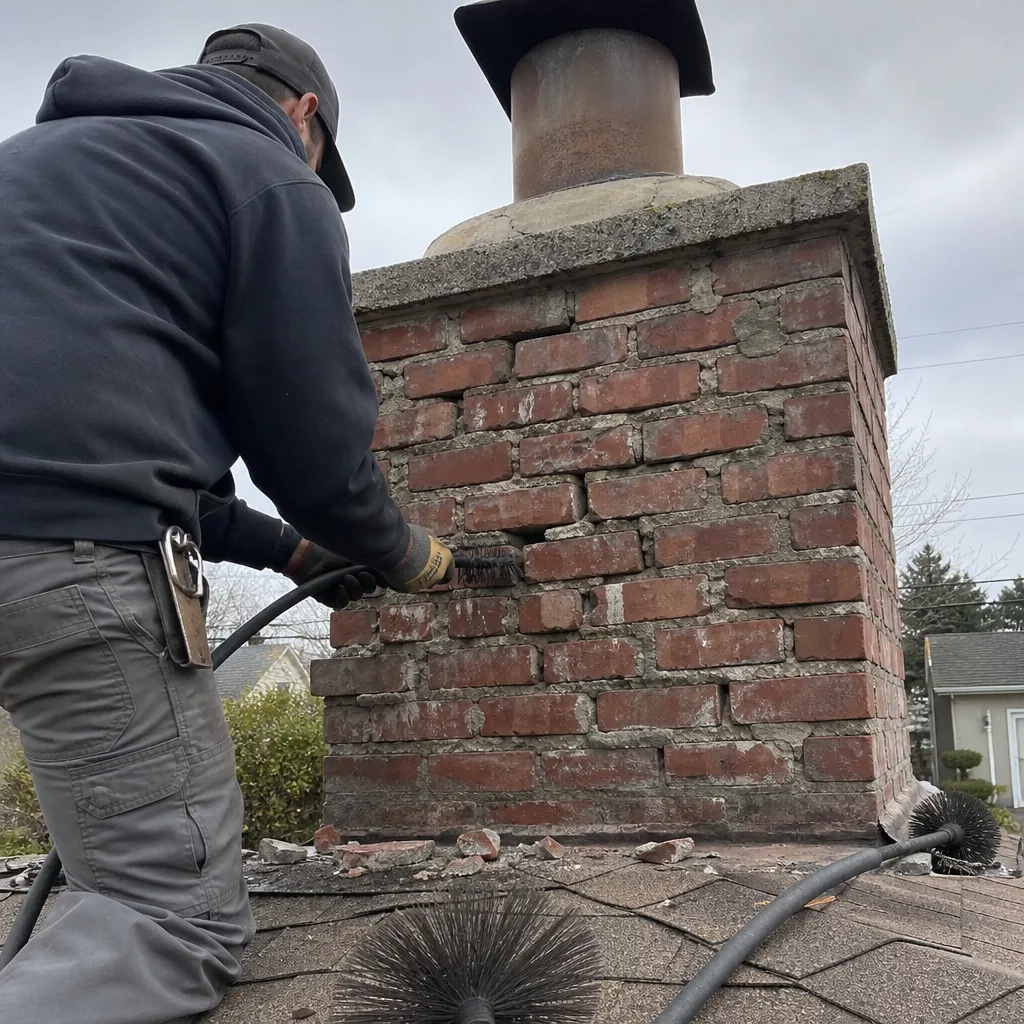 Before
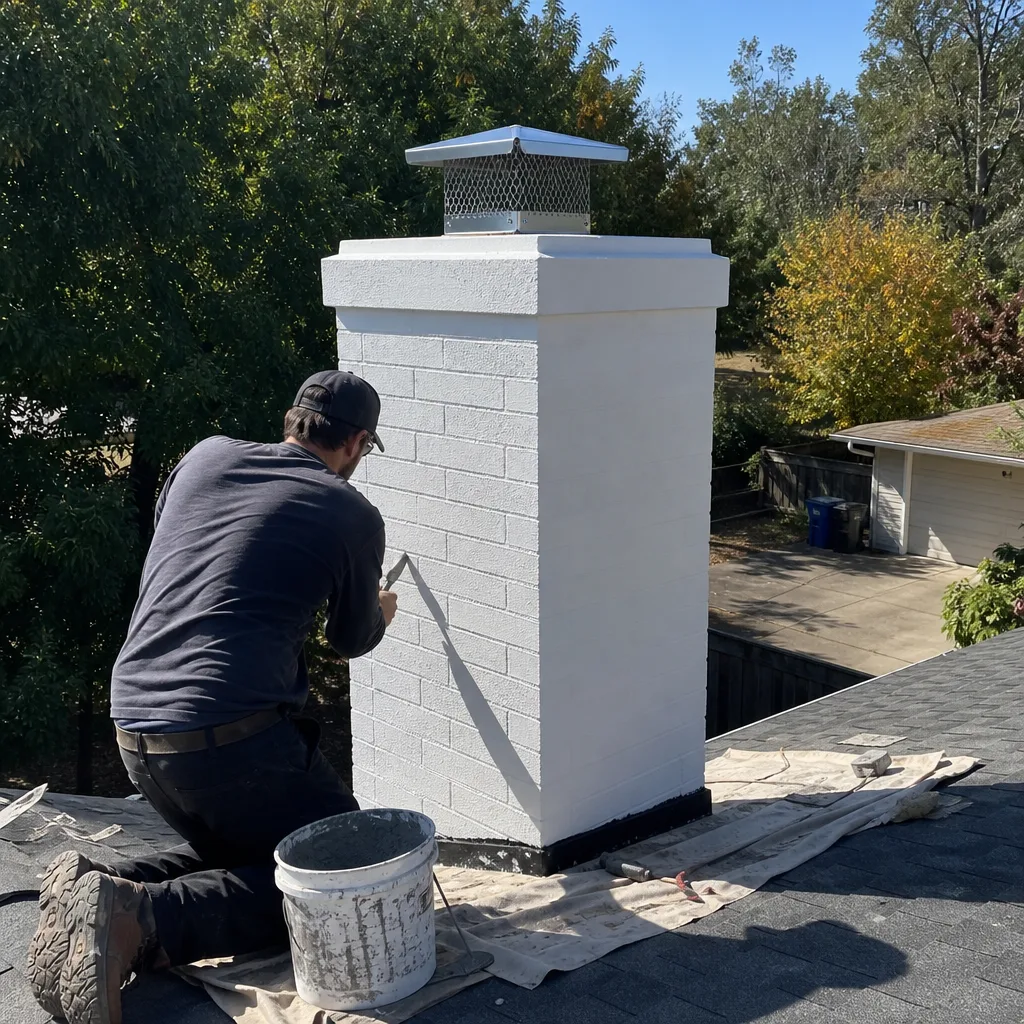 After
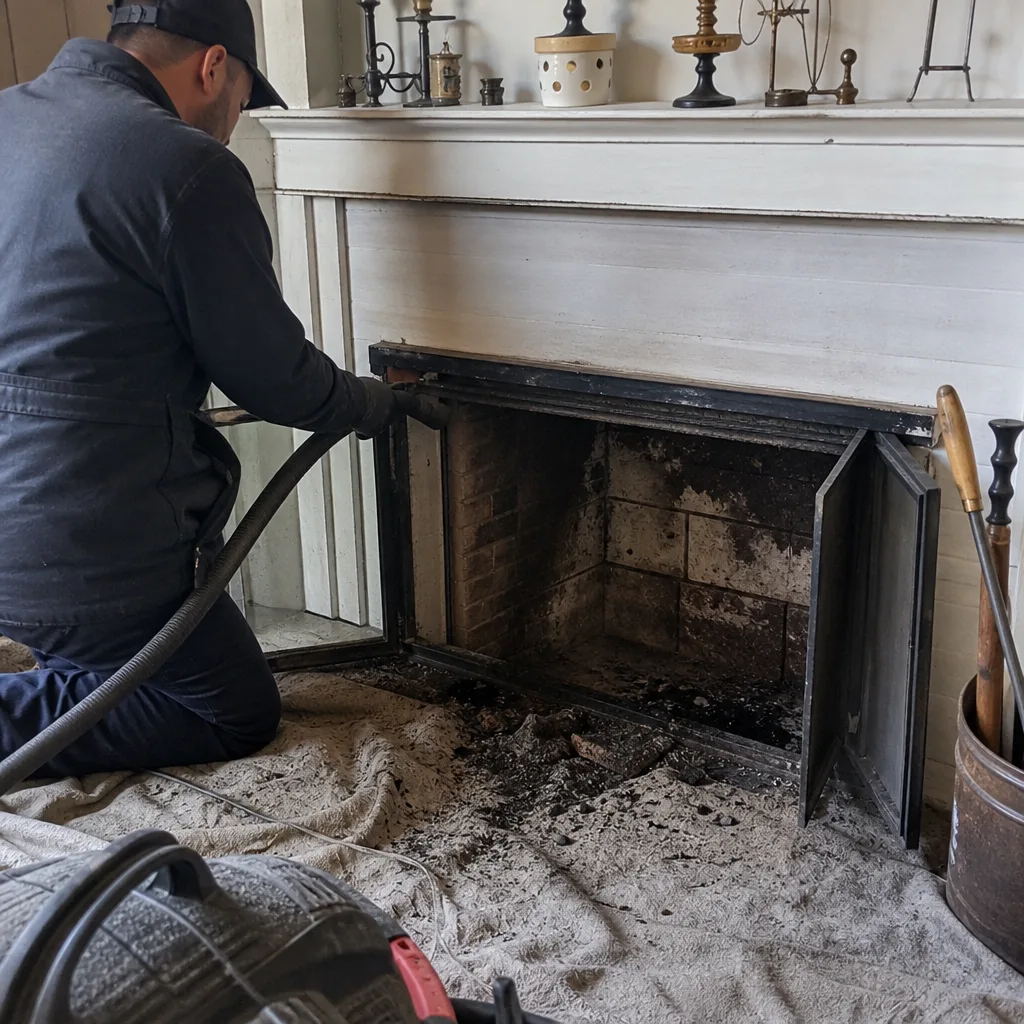 Before
 After
 Before
 After