
Last updated November 2, 2026
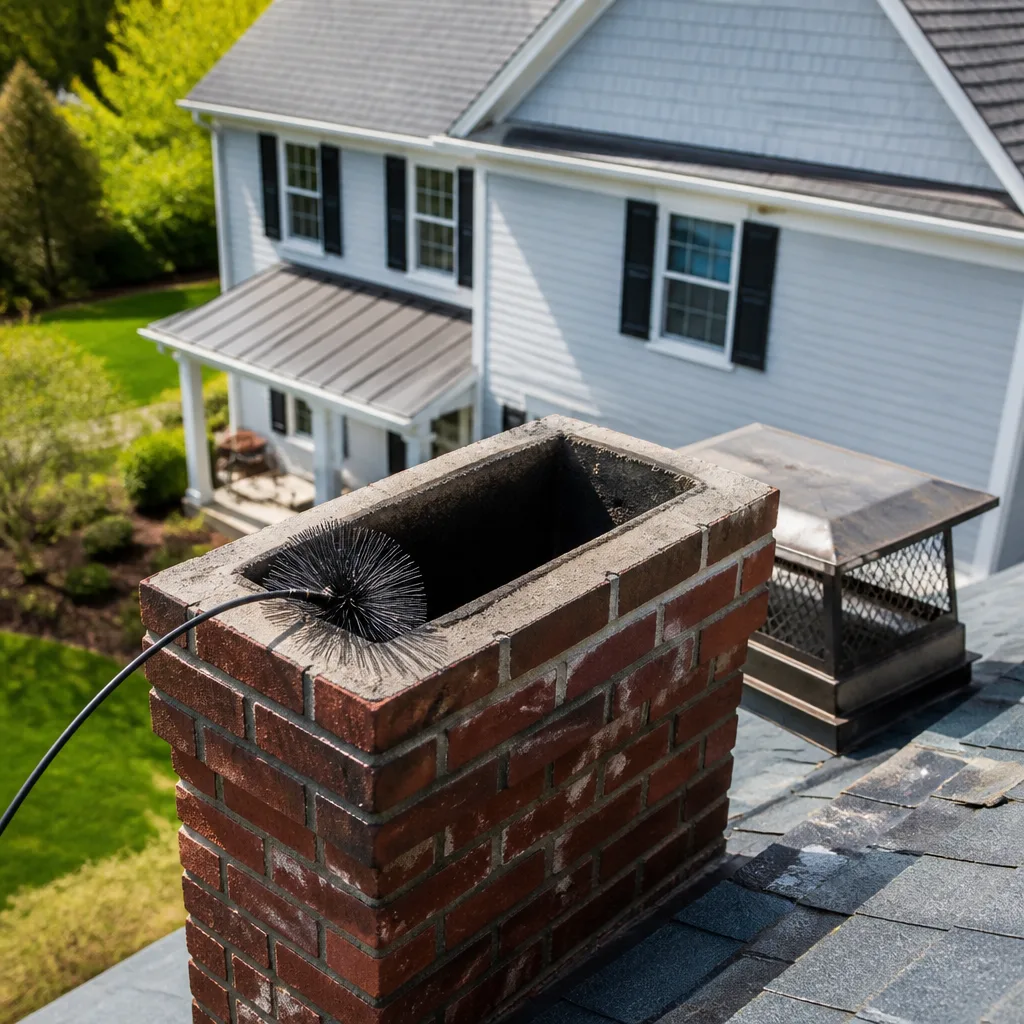 Sweep & inspection
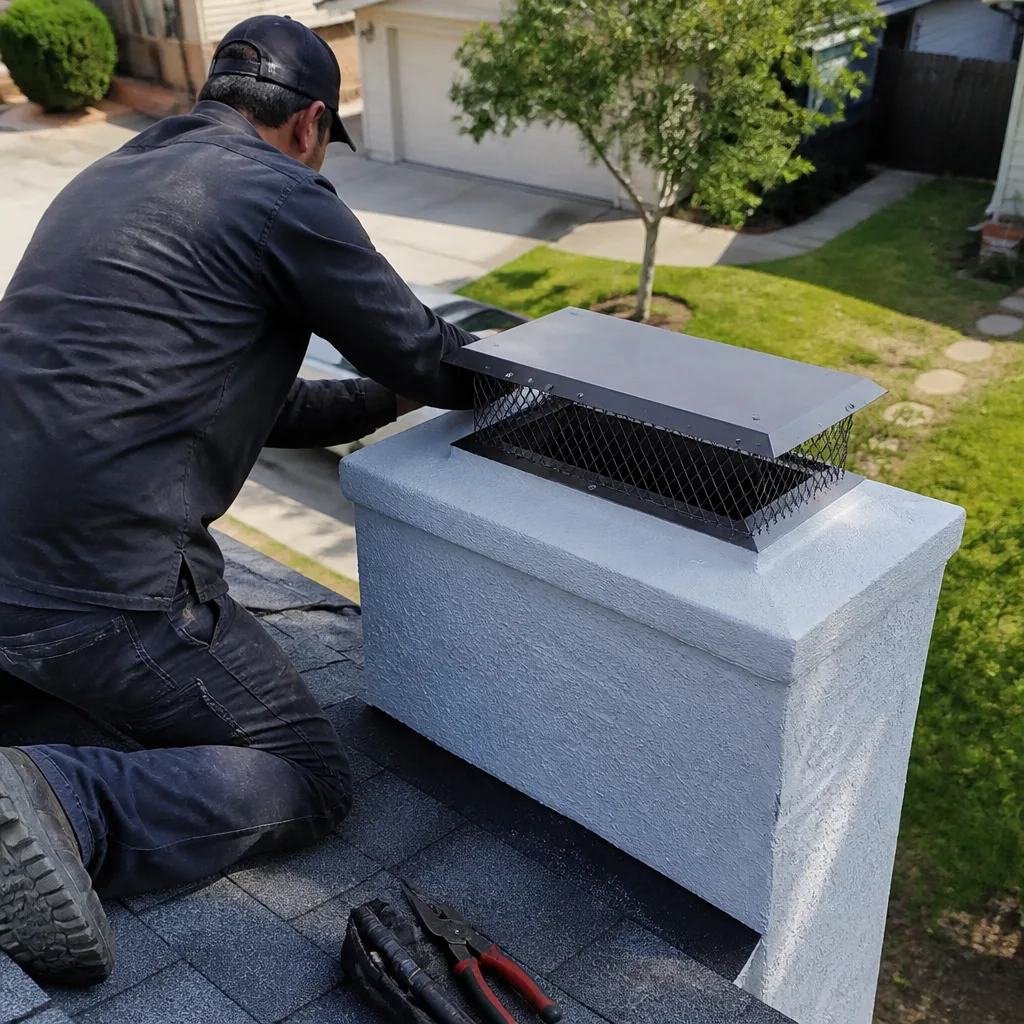
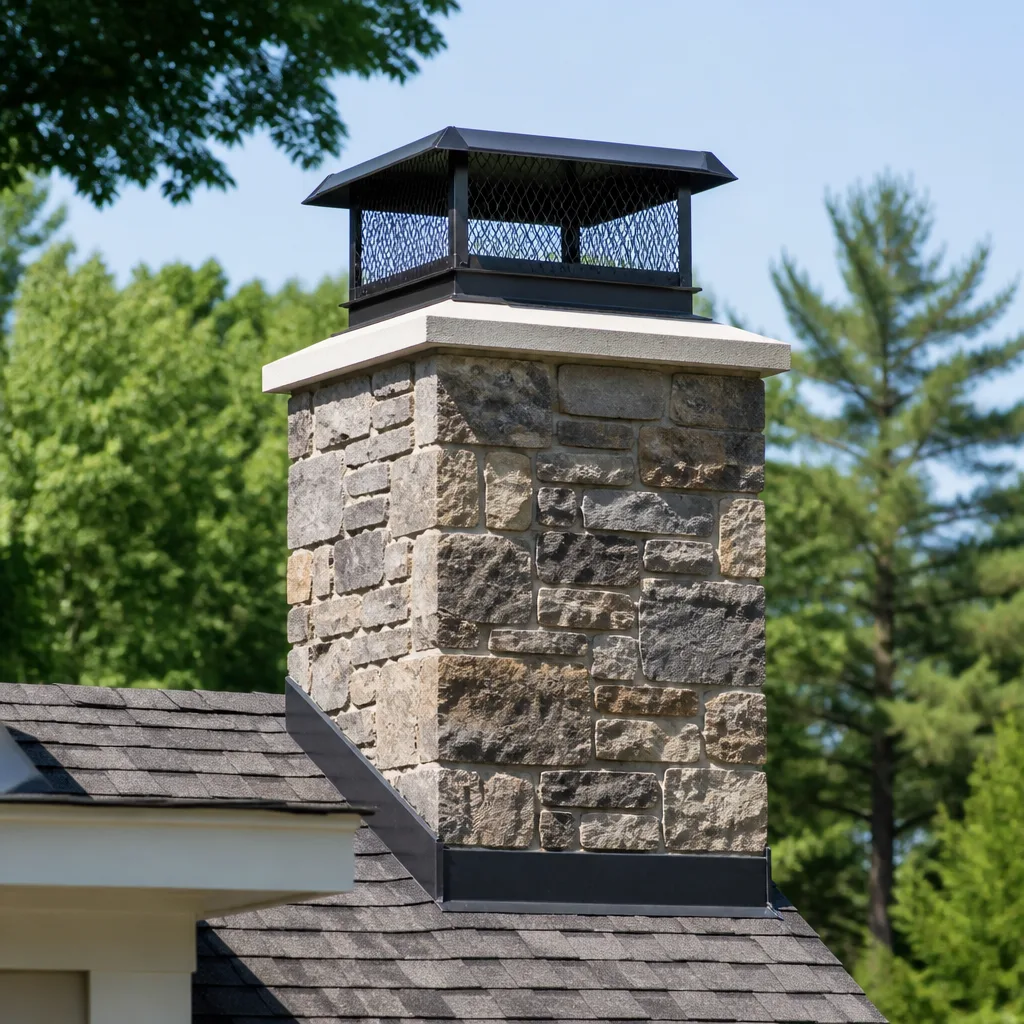 Caps & crowns
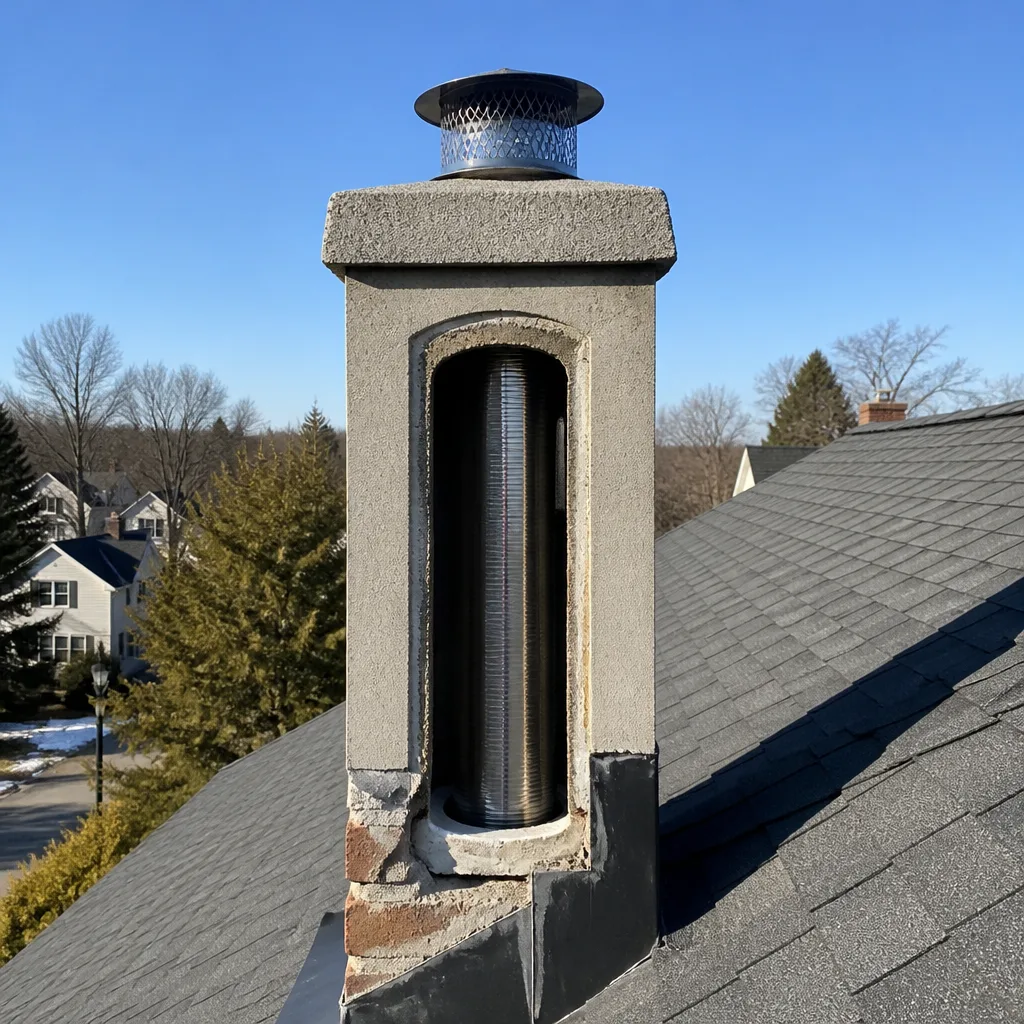 Flue relining
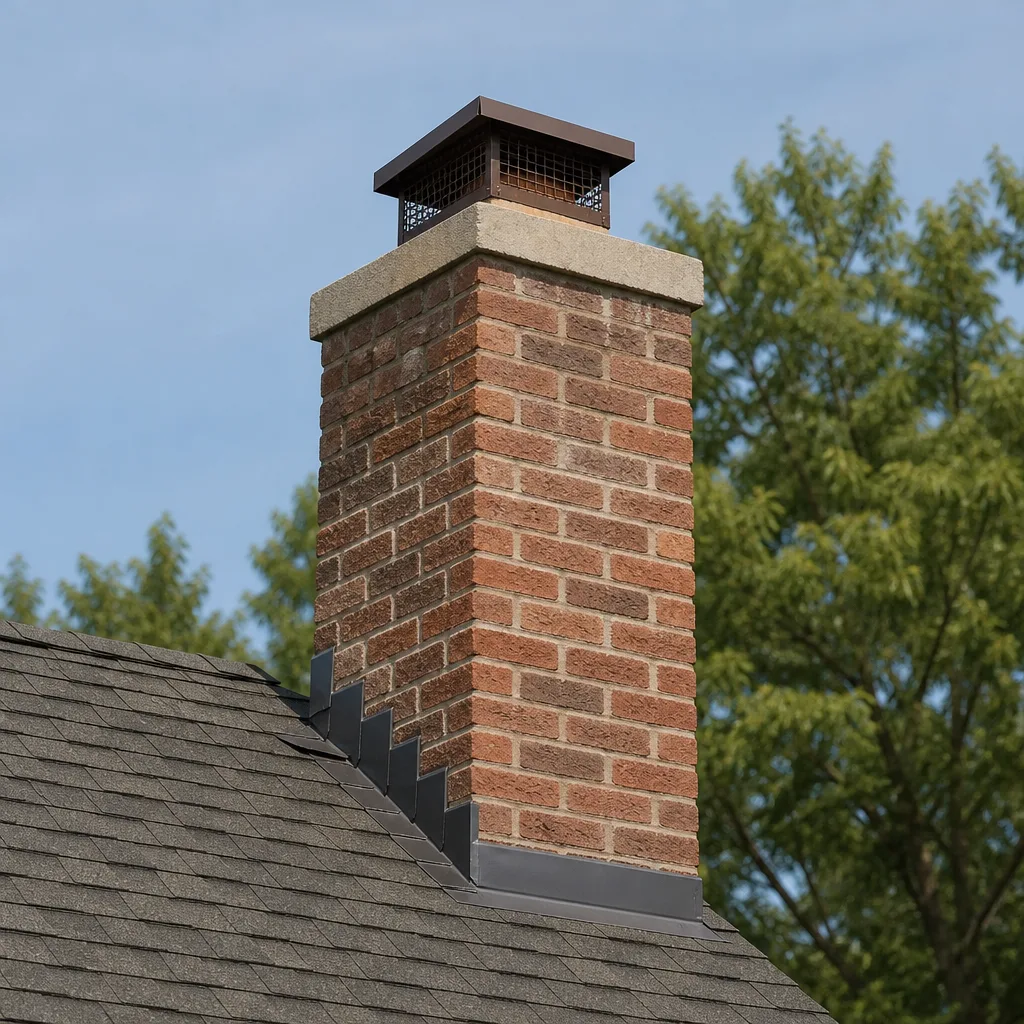 Masonry repair
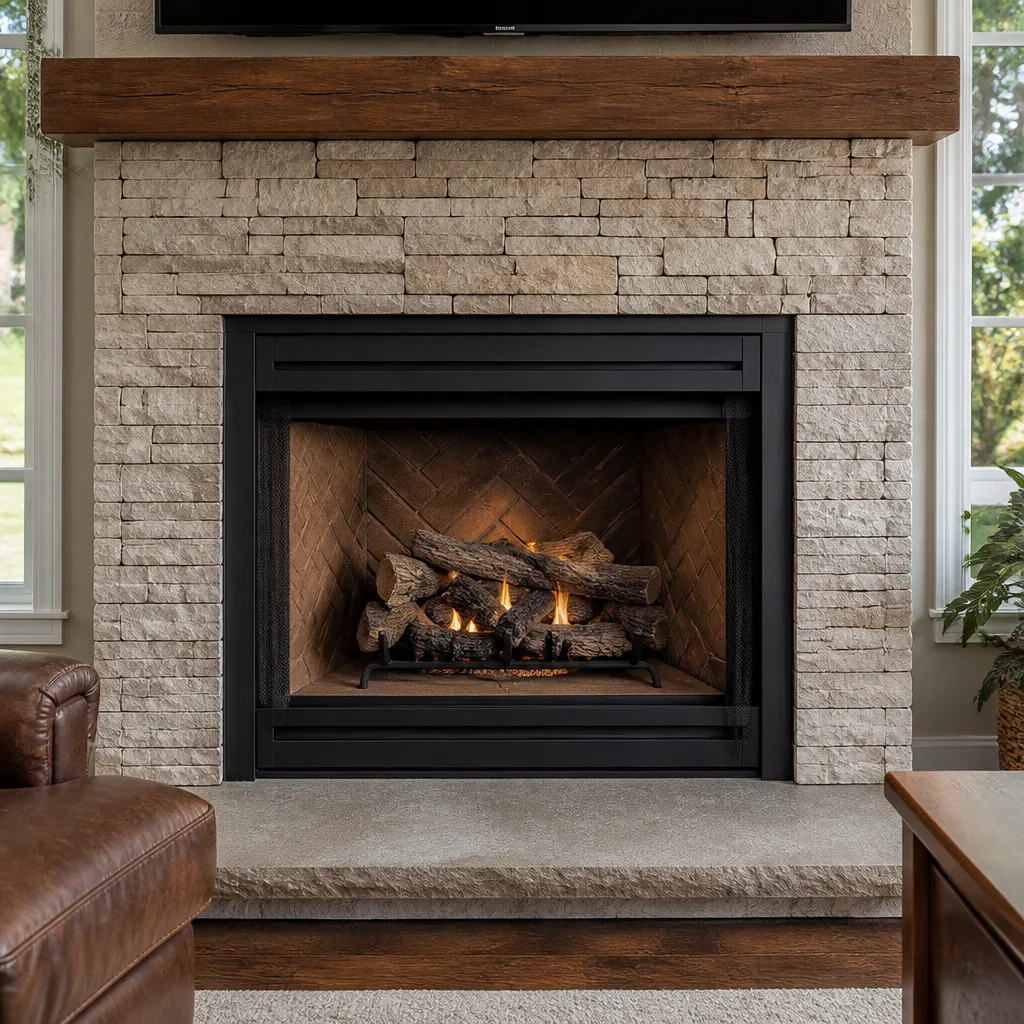 Gas fireplace service
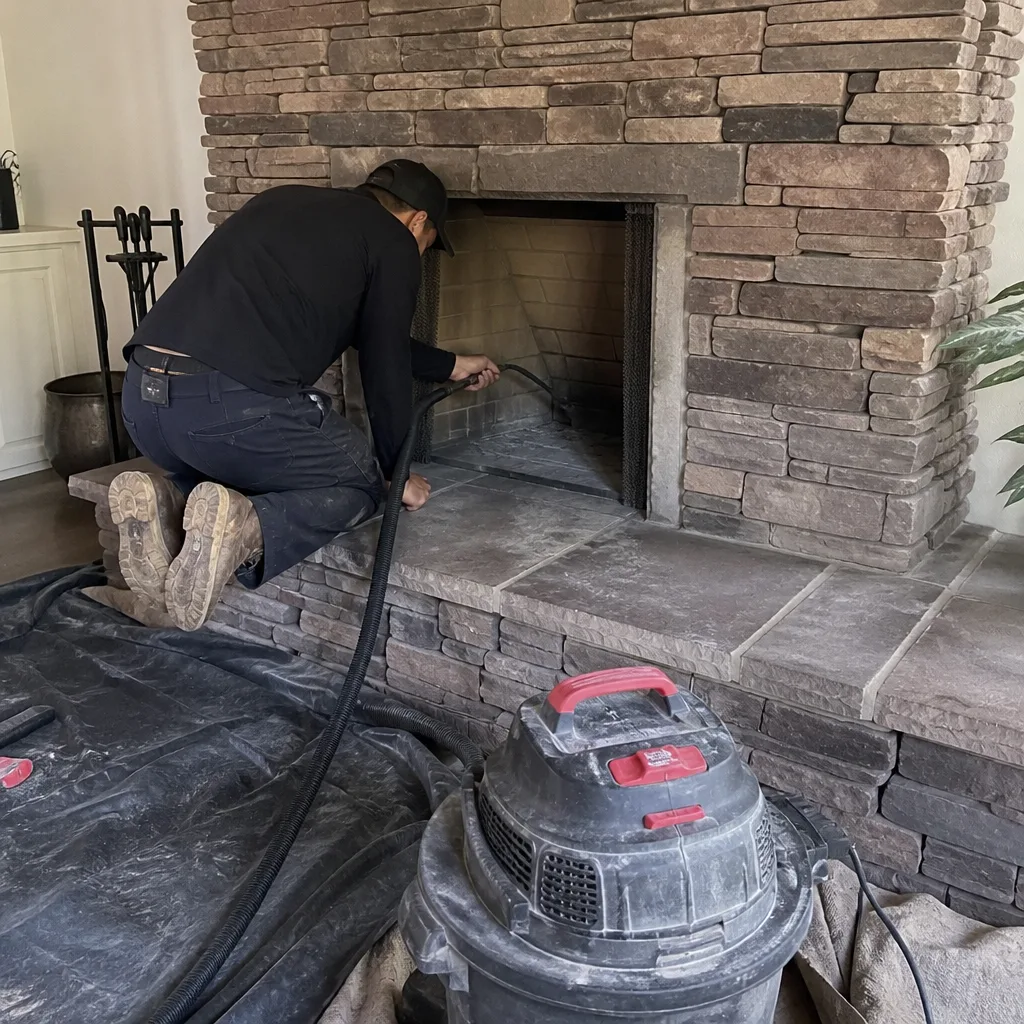
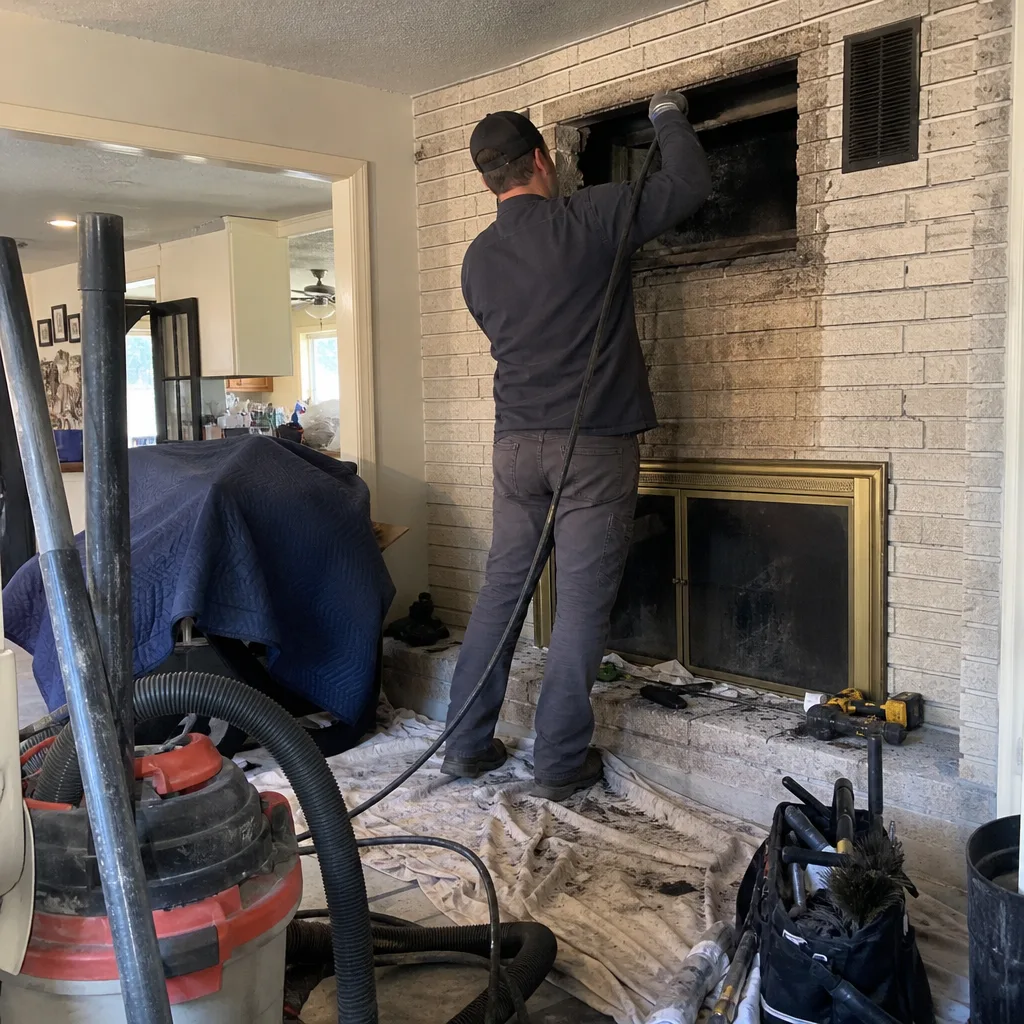
Level 1 sweep and inspection to the NFPA 211 annual standard - flue, crown, cap, and flashing checked and photographed
Chimney sweep logs do not sweep chimneys. They loosen some creosote - which then falls where a brush and vacuum still have to collect it.
DIY vs Professional Chimney Cleaning: The Carmichael Homeowner’s Decision Guide
Here’s something most chimney cleaning guides won’t tell you: you can successfully clean a chimney yourself. You just can’t inspect one. And in Carmichael, where oak and almond firewood burns hot and fast, the creosote it leaves behind is exactly the kind that fools a homeowner into thinking a brush job fixed the problem. This guide walks through what DIY work actually accomplishes, what it misses, and how to decide which approach makes sense for your fireplace, your liner age, and how you burn.
Quick Answer
For most Carmichael homeowners, the right answer is a hybrid: handle the firebox and visible debris yourself if you want, but have a professional inspection and sweeping done at least once a year, especially if you burn oak or almond regularly. The reason isn’t that DIY cleaning is dangerous by itself. It’s that the real fire risk lives in places you can’t see, and a brush doesn’t tell you anything about liner condition or creosote stage.
Styles & brands we work with
- Sweep & inspection
- Caps & crowns
- Flue relining
- Masonry repair
- Gas fireplace service
Table of Contents
- What DIY Chimney Cleaning Actually Accomplishes
- What DIY Cleaning Misses: The Diagnostic Gap
- Creosote Classification and Why It Can’t Be Eyeballed From Below
- The Equipment Gap: Consumer Brushes vs. Rotary Systems
- California Homeowner Insurance and Self-Performed Chimney Work
- The Four-Variable Decision Framework
- What a Responsible DIY Cleaning Looks Like (Step by Step)
- When a Professional Sweep Is the Only Sensible Option
What DIY Chimney Cleaning Actually Accomplishes
Let’s be fair about what a homeowner with a brush kit can genuinely do. A standard chimney brush set, the kind you’ll find at any hardware store in Carmichael, removes loose creosote dust and light soot from the flue walls. If you’re burning seasoned oak and you’ve had the chimney swept within the last year, that might be most of what’s up there. A feather-light layer of brown dust. You can sweep that off, and it’s a legitimate improvement.
You can also clean the firebox thoroughly. Scooping out ash, brushing down the firebrick, clearing the smoke shelf if your arms and a shop vacuum can reach it. These are real maintenance tasks, and doing them between professional sweeps keeps the system cleaner longer. You’re not wasting your time.
But here’s the part most DIY guides gloss over. Loose debris removal is maybe 20 percent of what a professional sweep accomplishes. The other 80 percent is assessment. A brush moves material. It doesn’t tell you whether the flue tiles behind that material are cracked, spalled, or separating at the mortar joints. It doesn’t tell you whether the creosote you just knocked down was stage 1 dust or stage 3 glaze that you simply scraped a groove through, leaving the rest fused to the flue wall. You’ve made the chimney look cleaner without addressing the actual condition of the system.
That distinction matters more in Carmichael than in some other Northern California markets. Our burn season is short but intense, and a lot of homeowners here burn almond, which throws intense heat and produces creosote that bakes onto flue walls rather than dusting off. A DIY brush pass over baked-on stage 2 creosote feels productive. It’s not. You’ve polished the surface while the adhesion layer sits underneath, waiting for the next hot fire to ignite it.
What DIY Cleaning Misses: The Diagnostic Gap
The core problem with DIY chimney cleaning isn’t that you can’t operate a brush. It’s that you can’t see what you’re brushing. From the firebox, looking up, you get a narrow view of the first few feet of flue. Everything above that is invisible. You can feel resistance on the brush, but resistance doesn’t tell you what’s causing it. A rough patch could be stage 2 creosote, could be spalled brick, could be a broken tile shifted out of alignment. All three feel the same on the end of a fiberglass rod.
A professional sweep uses tools designed to see what you can’t. Chimney cameras go up the flue and show the full liner surface, the smoke chamber, the damper assembly, and the crown in real time. We’ve run cameras up chimneys in Carmichael where the homeowner had just “cleaned” it themselves two weeks earlier and found stage 3 glaze covering the upper third of the flue, completely untouched by their brush. They couldn’t have known. No homeowner could have, from that vantage point.
That diagnostic gap is where actual fire risk lives. The National Fire Protection Association’s data on chimney fires consistently points to creosote buildup as the primary ignition source, and stage 2 and stage 3 creosote are the categories that actually sustain a flue fire. Stage 1 dust burns off quickly. Stage 3 glaze burns like a fuel rod. Knowing which one is in your flue requires seeing it, touching it, and classifying it. That’s not a brushing task. It’s an inspection task.
The same logic applies to the chimney structure itself. A DIY cleaning won’t reveal a cracked flue tile that’s been venting heat into the framing around your chimney for months. It won’t catch a deteriorated crown that’s been letting water seep into the masonry during Carmichael’s winter rain, slowly spalling the brick from the inside. Those problems don’t announce themselves as brush resistance. They only show up on camera. For that reason, a Chimney Sweep in Carmichael who runs a camera on every job is doing something fundamentally different from a brush-only pass.
Creosote Classification and Why It Can’t Be Eyeballed From Below
Creosote comes in three stages, and the distinction matters because the correct treatment differs for each one. Stage 1 is a light, flaky dust. It’s dusty and brown and largely removable with a brush. Stage 2 is a crunchy, granular deposit, often shiny in spots, that adheres to the flue wall. Stage 3 is a hard, tar-like glaze that binds to the tile surface and resists brushing completely.
Here’s the problem: from the firebox, with a flashlight and a mirror or your phone camera angled up, all three stages look roughly the same shade of dark brown. You cannot visually distinguish stage 2 from stage 3 at that distance and angle. And you definitely can’t distinguish them by feel through a brush rod. But the treatment is completely different. Stage 1 brushes off. Stage 2 typically requires a rotary system with metal chains or cable whips to break the deposit free. Stage 3 often requires chemical treatment first, then rotary removal, and in some cases a full professional evaluation of whether the liner can even be safely restored.
We see this play out in Carmichael regularly. A homeowner burns two or three cords of oak and almond over the winter, tries a DIY sweep in the spring, gets what looks like a reasonable amount of black dust out, and assumes the chimney is clean. But what they pulled was the loose surface material. The adhered layer underneath, which is the fire hazard, is still there. The next season’s first hot fire bakes it further, and by year three they’ve got a stage 3 glaze that no consumer brush will touch. That’s not a homeowner failure. It’s an equipment and access limitation.
Professional classification is tactile. A sweep touches the deposit with gloved hands during the inspection, feels whether it’s powdery or tacky or glassy, and matches that to the camera image. That combination is what determines the cleaning method and whether a chemical treatment like a creosote modifier is warranted. It’s also what determines whether the flue needs a restoration product, such as HeatShield ceramic resurfacing, rather than just another sweep. Those are diagnostic decisions, not brushing decisions, and they’re the difference between a chimney that’s actually safe and one that just looks clean from the bottom.
The Equipment Gap: Consumer Brushes vs. Rotary Systems
The hardware store brush kit you can buy for $40 to $80 in Carmichael is, functionally, the same tool chimney sweeps used a hundred years ago. A stiff bristle head on a flexible rod, pushed up and down the flue. It removes loose material. That’s what it does, and it does that fine. But it does nothing to adhered stage 2 deposits, and it’s actively useless against stage 3 glaze. Running it over stage 3 is like scraping a frozen puddle with a toothbrush.
A professional rotary cleaning system is a different category of tool entirely. It uses a heavy-duty drill motor to spin a specialized head, often with chain flails or cable whips, at high speed inside the flue. That rotational force breaks the chemical bond between creosote and the flue wall. It’s the difference between dusting a shelf and running a wire brush on a rusted bolt. The deposits that laughter at a push-pull brush come off in sheets with a rotary head.
Why this matters for Carmichael specifically: the wood this region burns produces creosote that trends adhesive. Almond, in particular, burns hot and fast, which is great for heat output but rough on a chimney, because the combustion gases rise rapidly and the creosote they carry condenses and bakes on the upper flue rather than settling as dust lower down. A consumer brush removes the bottom accumulation and leaves the upper adhesion layer untouched. A rotary system, run by someone who knows how to feel the deposit change as it clears, addresses the whole flue. That’s the physical explanation for what a professional sweep accomplishes that a DIY pass doesn’t.
There’s also the question of access equipment. A proper cleaning means getting on the roof for a top-down pass or, at minimum, running the system from below with the fireplace sealed off. It means drop cloths, a high-suction vacuum, and personal protection. A consumer brush kit from the hardware store comes with none of that. You’re on your roof, on a ladder, in whatever weather Carmichael is offering that day, trying to manage a brush and a flashlight and your balance all at once. That’s not a cleaning method. That’s a weekend project that ends with a $200 emergency room copay and a chimney that’s still dirty above the reach of your rods.
California Homeowner Insurance and Self-Performed Chimney Work
Here’s a question almost no DIY guide addresses, and it’s the one that matters most when a fire actually happens. If your chimney ignites and your insurance company asks when the chimney was last professionally cleaned and inspected, what’s your answer? “I brushed it myself last spring” is not the answer that compels an adjuster to process your claim quickly.
California homeowner insurance policies generally require that homeowners take reasonable steps to maintain their property. For chimneys, the industry standard for “reasonable maintenance” is documented professional inspection and cleaning at a frequency matching your burn habits. If you burn regularly, that means annual. If you skip that, and a fire originates in the flue, the insurance company has grounds to investigate whether negligence contributed to the loss. They don’t have to prove you caused the fire. They just have to establish that you failed to maintain the system to the standard a reasonable homeowner would.
A DIY cleaning doesn’t produce documentation. There’s no camera log, no written condition report, no third-party record that the flue was actually clear at a specific date. Your word against an insurance adjuster’s questions is not a comfortable position to occupy while your house is damaged and your family is living in a hotel. A professional sweep produces a record. You get a report stating when the chimney was cleaned, what was removed, what condition the liner was in, and what recommendations came out of the inspection. That document is your proof of maintenance. It’s not about bragging rights. It’s about standing in front of an adjuster with evidence instead of a story.
None of this means you shouldn’t do light cleaning between professional visits. Clearing the firebox, removing loose debris, keeping the damper functional, those are all good homeowner practices. But they’re not a substitute for the documented professional service your insurance company has a reasonable expectation you’ll maintain. If you burn in Carmichael regularly, the question isn’t whether you can afford the annual sweep. It’s whether you can afford the conversation with your insurer if you skipped it.
The Four-Variable Decision Framework
So how do you decide whether DIY cleaning is reasonable for your situation or whether you’re creating a false economy? Four variables, honestly assessed, give you the answer.
- Chimney type. A prefabricated metal chimney on a newer home is a different animal from a masonry chimney on a 1970s Carmichael rancher. Metal flues are susceptible to warping and joint separation, and the clearances are tighter. Masonry flues are susceptible to tile cracking and mortar deterioration. If you don’t know which type you have, or you know you have a masonry flue with a clay liner that’s never been inspected, DIY is not the right starting point. Get it inspected first. Then decide what you can handle yourself going forward.
- Last professional inspection date. If a professional has been through the chimney within the last 12 months and gave the liner a clean bill of health, a light DIY maintenance pass between professional visits is low risk. If the chimney hasn’t been professionally inspected in years, or you’ve never had it done since buying the house, you’re cleaning blind. You need the baseline inspection before any self-maintenance makes sense.
- Burning habits. Occasional fireplace use, maybe a fire every other weekend from November through February? A professional sweep every year is probably fine, and a mid-season DIY touch-up might help. Heavy burning, multiple cords per season, almond or oak as your primary wood, fires most nights during the winter? Your creosote loading is dramatically higher, and your window between “clean enough” and “hazard” is much shorter. That’s a professional-maintenance situation, not a DIY one.
- Liner age and known condition. A clay liner installed in the 1980s has been through thirty-plus Carmichael winters. Clay liners crack. Mortar joints fail. If your liner is old, or you already know it has issues, the cleaning method matters less than the inspection. You need eyes on the liner before you push any brush through it. Brushing over a cracked tile can worsen the damage, and it definitely won’t fix it. If the liner is compromised, products like HeatShield resurfacing exist specifically to restore deteriorating flue tiles without a full reline, but that’s a diagnosis a professional makes after the camera shows the damage. Not a guess from the firebox.
Run yourself through those four questions. If the answer to “last inspection” is “I don’t know” or “never,” the DIY conversation is over for now. Get the baseline. The rest of the decision flows from what the camera shows.
What a Responsible DIY Cleaning Looks Like (Step by Step)
If you’ve assessed your situation and a light DIY pass makes sense for your chimney, between professional cleanings, here’s what that actually looks like. This is the same order we’d walk a homeowner through, and it’s designed to keep the mess contained and the work safe.
- Lay down full coverage. Drop cloths on the floor around the fireplace, not just directly in front. Creosote dust travels. Tape the cloths down so they don’t slide, and close off the room if you can. A box fan in a window, blowing outward, helps pull airborne dust out of the house.
- Open the damper fully. You need the airflow path open for both the brushing and the vacuum. If the damper is rusted or stuck, stop. That’s a repair issue, not a cleaning issue, and forcing it will damage the assembly.
- Vacuum the firebox first. Remove the loose ash and visible debris before you start brushing the flue. A standard shop vacuum with a fine-dust filter bag works. Don’t use your household vacuum. The fine ash will destroy the motor on the first pass.
- Seal the firebox opening. Use a sheet of plastic or an old blanket with the edges taped down to keep flue debris from billowing back into the room while you brush. Cut a small opening to push the brush rod through.
- Brush from the top down if possible. On the roof, rod sections with the brush head down the flue, push-pull, and add rods as you go. This gives the best mechanical action on loose deposits. If you’re not comfortable on the roof, skip this entire operation and call a professional. A fall from a Carmichael roof in the rain is not worth the price of a sweep.
- Work the brush in sections. Don’t try to reach the entire flue in one continuous push. Work a few feet at a time, pushing and pulling, letting the loose material fall. Reconnect rods and continue until you’ve covered the full length.
- Remove the seal carefully. Once the brushing is done, peel the plastic slowly and vacuum the firebox and smoke shelf again. Whatever fell is now in the firebox, and most of it will come out with a thorough vacuum pass.
- Dispose of the debris properly. Creosote dust and ash don’t go in the household trash loose. Double-bag it, seal it, and put it in the outside bin once it’s fully cooled. Never leave a bag of creosote dust in the house or garage.
A few hard rules here. Never attempt any DIY cleaning if you have a wood stove with a horizontal connector pipe unless you know exactly how to disassemble and reassemble that pipe. Never use chemical creosote logs as a substitute for brushing. They loosen some deposits but don’t remove the underlying layer, and a loose deposit falling in the middle of the night can block the flue. And never, under any circumstances, attempt to fix a cracked liner, a damaged crown, or a failed chimney cap yourself. Those are structural and venting repairs, not maintenance tasks.
When a Professional Sweep Is the Only Sensible Option
The honest list of scenarios where DIY just doesn’t make sense, even for a capable homeowner: any first cleaning after buying a home. Any chimney with an unknown service history. Any flue where you’ve noticed smoke backing up, a smell you can’t place, or visible staining on the interior or exterior. Any masonry chimney older than 20 years. Any situation involving a gas appliance venting into the same flue. Any evidence of water intrusion, which in Carmichael usually shows up as efflorescence, the white staining on brick, or as damp patches near the fireplace after winter rain.
Those situations call for an inspection first, and the inspection is not a DIY tool. A camera costs real money, and interpreting the images takes training. A homeowner looking at a chimney camera feed sees shadows. A sweep sees stage 2 creosote, a cracked tile at the 14-foot mark, and a damper that’s rusting through. It’s not gatekeeping to say that. It’s the honest truth about why professional chimney work exists as a trade.
The same logic extends to the rest of the exhaust system. Your dryer vent runs through walls or under the house, and a lint blockage in that line is a fire hazard as real as a dirty chimney. Your chimney and dryer vent are the same category of problem: exhaust paths that accumulate combustible material and need periodic clearing and inspection. Handling both with Dryer Vent Cleaning in Carmichael as part of the same visit keeps the whole system on a single service calendar.
What We Actually Recommend for Carmichael Homeowners
For most of the homes we see in this area, the most practical schedule is a professional inspection and sweep every 12 months, with light DIY firebox maintenance in between if the homeowner enjoys that kind of work. If you burn heavily, meaning more than two cords per season or frequent almond fires, the professional visit might need to happen twice a year. If you burn rarely, meaning a fire a month or less during winter, you can likely stretch to 18 months, but the annual inspection still matters because you’re not burning enough to burn off the moisture that creosote absorbs, and damp creosote is more corrosive, not less.
If your chimney needs more than a sweep, the repair conversation starts with the camera. We specify the repair before we sell it, and every recommendation comes with images you can see for yourself. A chimney liner restoration using HeatShield or a full reline with DuraFlex is a decision made after the camera shows the condition, not before. No one should agree to a major chimney repair without seeing the evidence, and no one should brush a chimney they’ve never had inspected. Those two rules cover most of the mistakes we see.
For a more detailed look at what a professional sweep includes, see our full Chimney Sweep in Carmichael service page. If your chimney has known issues or you’ve seen staining, our Chimney Repair in Carmichael page covers the restoration options. And if you’re also due for dryer vent service, Dryer Vent Cleaning in Carmichael explains that process. Start with the Chimney Sweep Carmichael home page for an overview of the full service scope.
See the difference
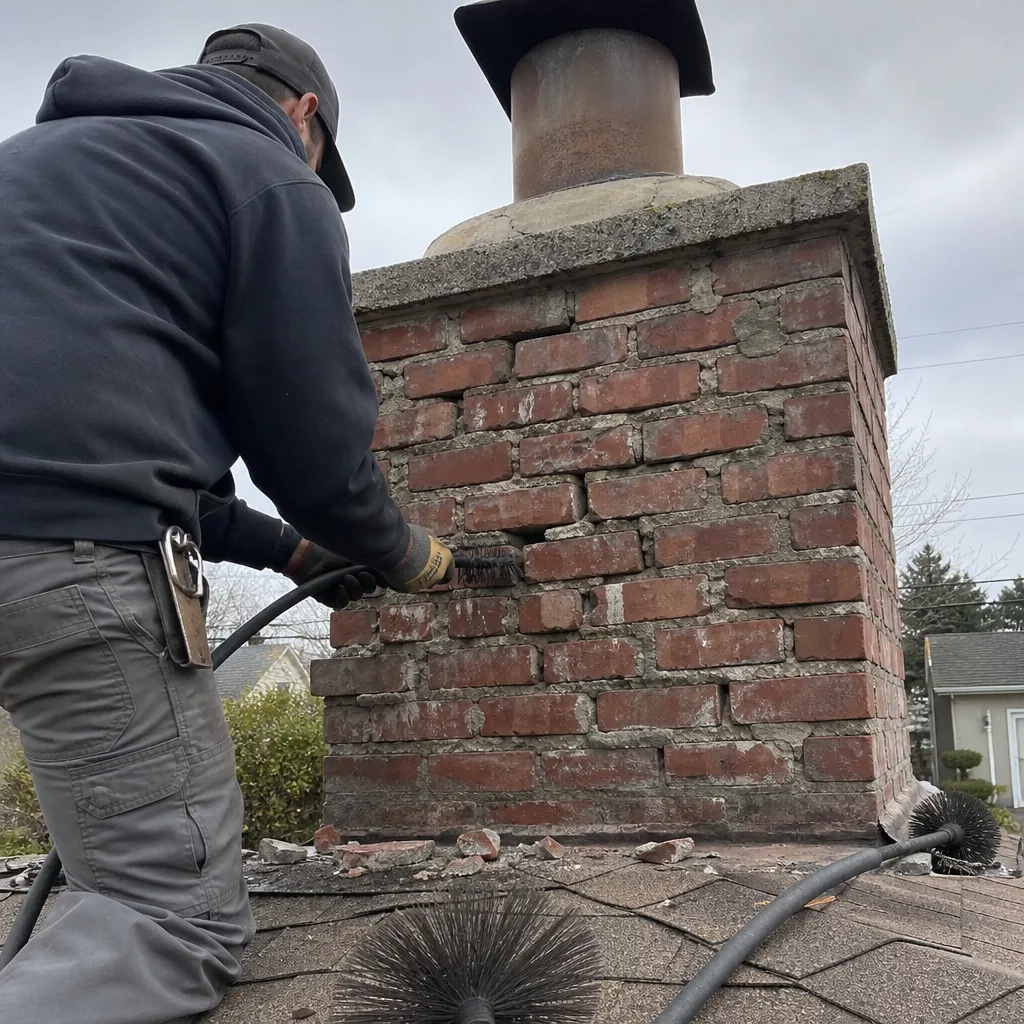 Before
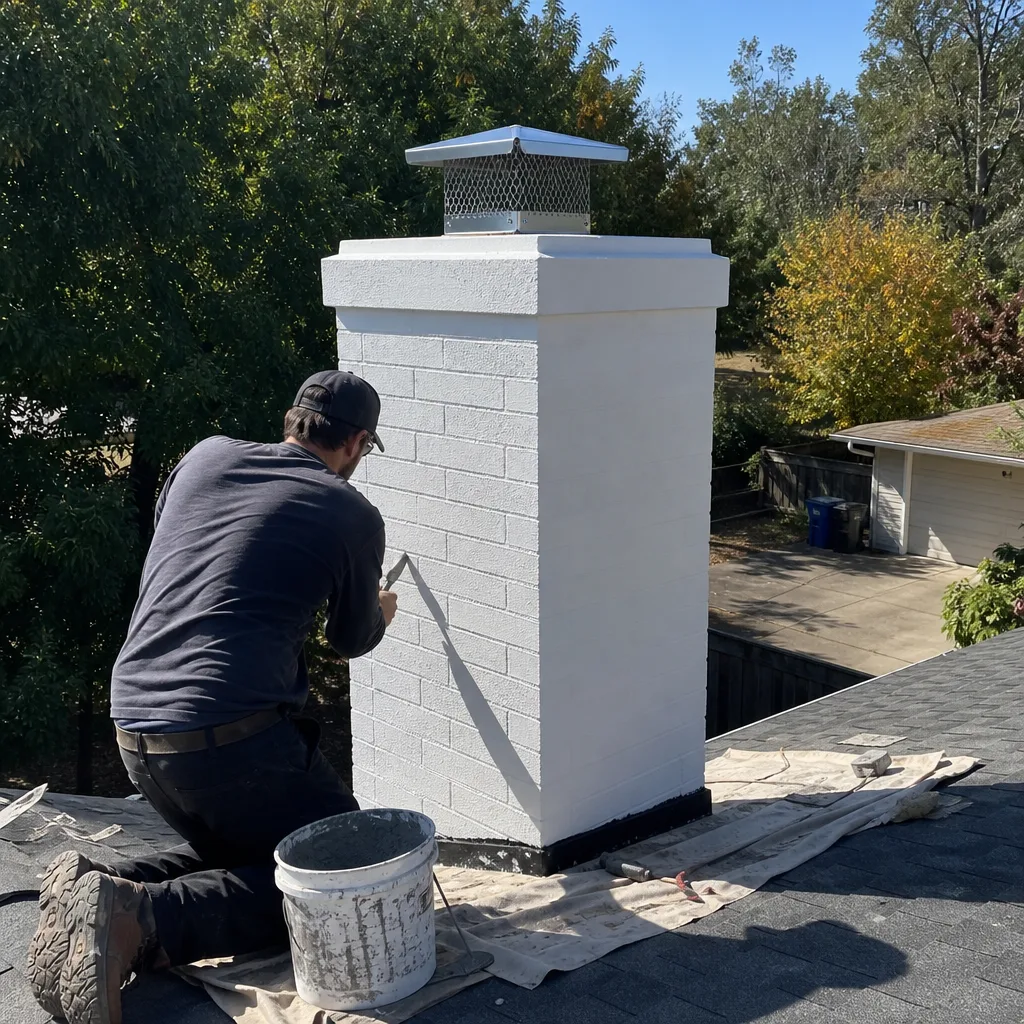 After
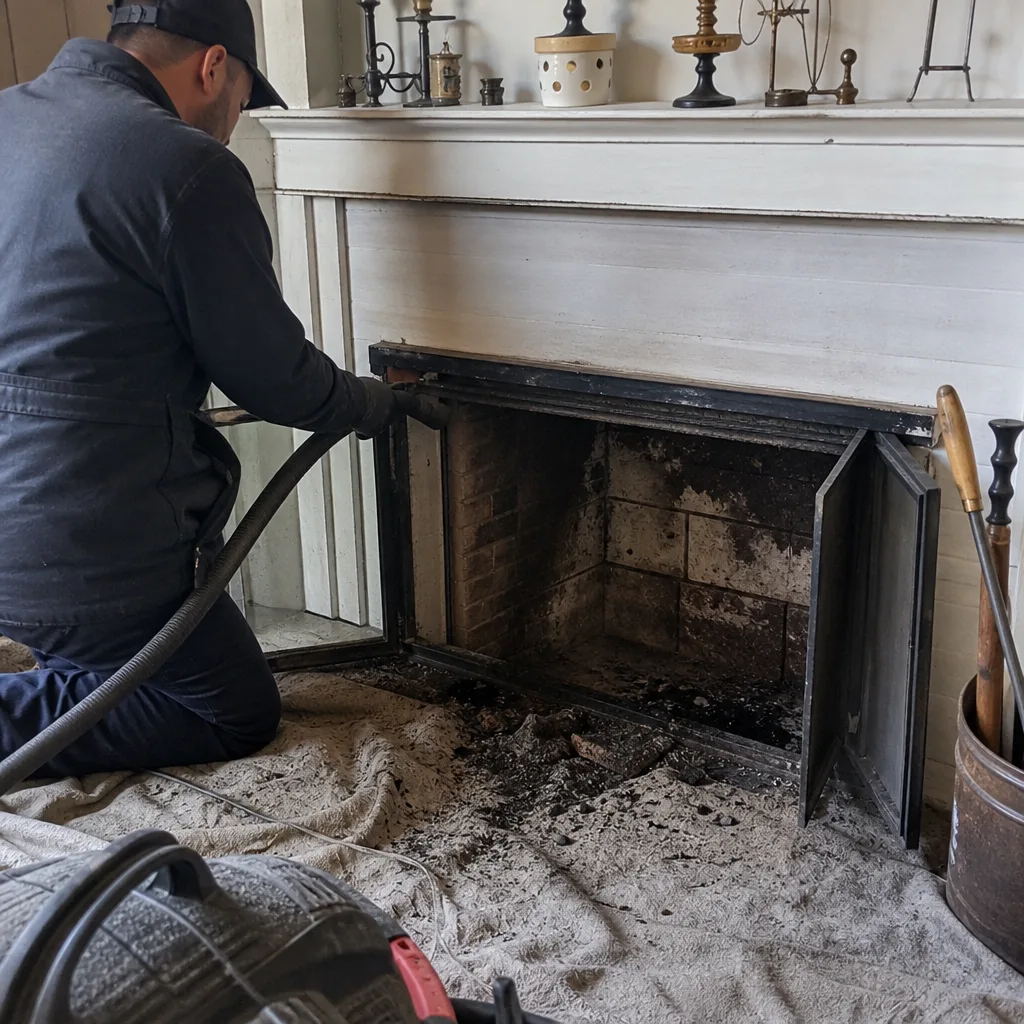 Before
 After
 Before
 After
Common Mistakes to Avoid
- Treating a creosote log as a cleaning. Chemical logs loosen deposits but don’t remove them, and the loosened material can fall and block the flue. They’re a supplement at best, never a replacement for mechanical sweeping.
- Brushing a chimney that’s never been inspected. You’re cleaning blind. If the liner is cracked, you might be making it worse, and you won’t know until something fails.
- Using a household vacuum. Fine ash and creosote dust will destroy a standard vacuum motor in one session. Use a shop vacuum with a fine-dust filter, or don’t vacuum at all.
- Forgetting the smoke shelf. The shelf above the firebox, behind the damper, collects creosote and debris that falls from the flue. A DIY brush through the flue alone misses it, and it’s a sitting fuel source.
- Skipping the cap inspection. A missing or damaged chimney cap lets rain into the flue, and in Carmichael’s wet winters, that water causes oxidation and masonry damage fast. The cap is part of the system, not an accessory.
- Assuming a gas fireplace needs no service. Gas inserts and gas log sets still produce combustion byproducts and still vent through the flue. They need inspection too, just less frequent sweeping.
- Putting off the repair because the sweep didn’t mention it. A clean chimney with a cracked liner is still a hazard. The cleaning and the structural condition are separate issues.
When to Call a Professional
Call if you’ve never had the chimney inspected in the home you’re living in. Call if you see smoke backing into the room, smell something acrid when the fireplace is in use, or notice staining on the walls around your fireplace. Call if you hear animals in the flue, if your damper is stuck open or closed, or if water has gotten in during rain. Call if your dryer takes two cycles to dry a load, because the lint buildup in the vent line is the same category of problem as creosote in the chimney. All of these are diagnostic situations, and the right tool for the diagnosis is a camera, not a hardware store brush. Chimney Sweep Carmichael offers free estimates in Carmichael, call (833) 593-4469.
Frequently Asked Questions
A professional chimney sweep in Carmichael typically runs between $180 and $340 for a standard fireplace with an accessible roof, with the price moving up if the chimney hasn’t been cleaned in years, requires a rotary treatment, or needs a camera inspection as part of the service. The exact quote depends on your flue length, the creosote stage, and access conditions. Call (833) 593-4469 for a free estimate, and the number we give you is the number you’ll pay.
Most Carmichael homeowners who burn wood regularly need a professional sweep once a year, ideally in early fall before burn season starts. Heavy burners going through three or more cords, or burning mostly almond, may need a second sweep mid-season. Light users who fire up the fireplace occasionally can usually go 18 months, but the annual inspection should not be skipped even if the sweeping can wait.
You can remove loose soot and clean the firebox yourself, but a DIY cleaning cannot assess liner integrity, creosote stage, or smoke chamber condition, and those are the places fire risk actually lives. A brush removes material. It doesn’t diagnose. If you maintain a professional inspection cadence, light DIY work between visits is fine. As a replacement for professional service, it leaves the most dangerous parts of your chimney unexamined.
Creosote builds up in layers. Stage 1 dust becomes stage 2 granular deposit, which becomes stage 3 glaze under repeated heating cycles. Stage 3 is the material that sustains a chimney fire, and by the time it’s present, no consumer brush will remove it. You’re not saving money by skipping. You’re deferring a $250 cleaning into a potential several-thousand-dollar reline or restoration, or worse, a fire.
You can’t know the answer to that without seeing the liner condition, and any reputable company will show you the camera footage before recommending any liner work. Some liners genuinely need full replacement, and those cases typically involve extensive cracking or separation. Others are candidates for HeatShield resurfacing, which restores deteriorating clay tiles without a full reline. If someone recommends a liner replacement without showing you the camera images, get a second opinion. A real recommendation comes with evidence, call (833) 593-4469 to have yours evaluated.
Yes, and for the same reason your chimney does. Lint accumulates inside the vent line where you can’t see it, restricting airflow and creating a fire hazard that ranks among the leading causes of residential fires. A homeowner can clean the first few inches at the dryer connection, but the full line needs a professional cleaning to actually clear it. Chimney Sweep Carmichael handles dryer vent cleaning as a standard service, so you can get your chimney and dryer vent cleared in one visit.
The Bottom Line
The DIY versus professional chimney cleaning question isn’t really about cleaning at all. It’s about whether you know what’s in your flue, and the only way to know is with a camera and a trained eye. You can brush loose soot yourself. You can keep a clean firebox. You can maintain the visible parts of your fireplace. But you cannot inspect a chimney from the bottom, and you cannot classify creosote by feel through a brush rod. In Carmichael, where oak and almond create stage 2 deposits faster than most homeowners expect, annual professional inspection is the foundation. Everything else follows from what the camera shows. Get the baseline, stay on the calendar, and your chimney decisions become simple.
Written by the team at Chimney Sweep Carmichael, serving Carmichael since 2012.