
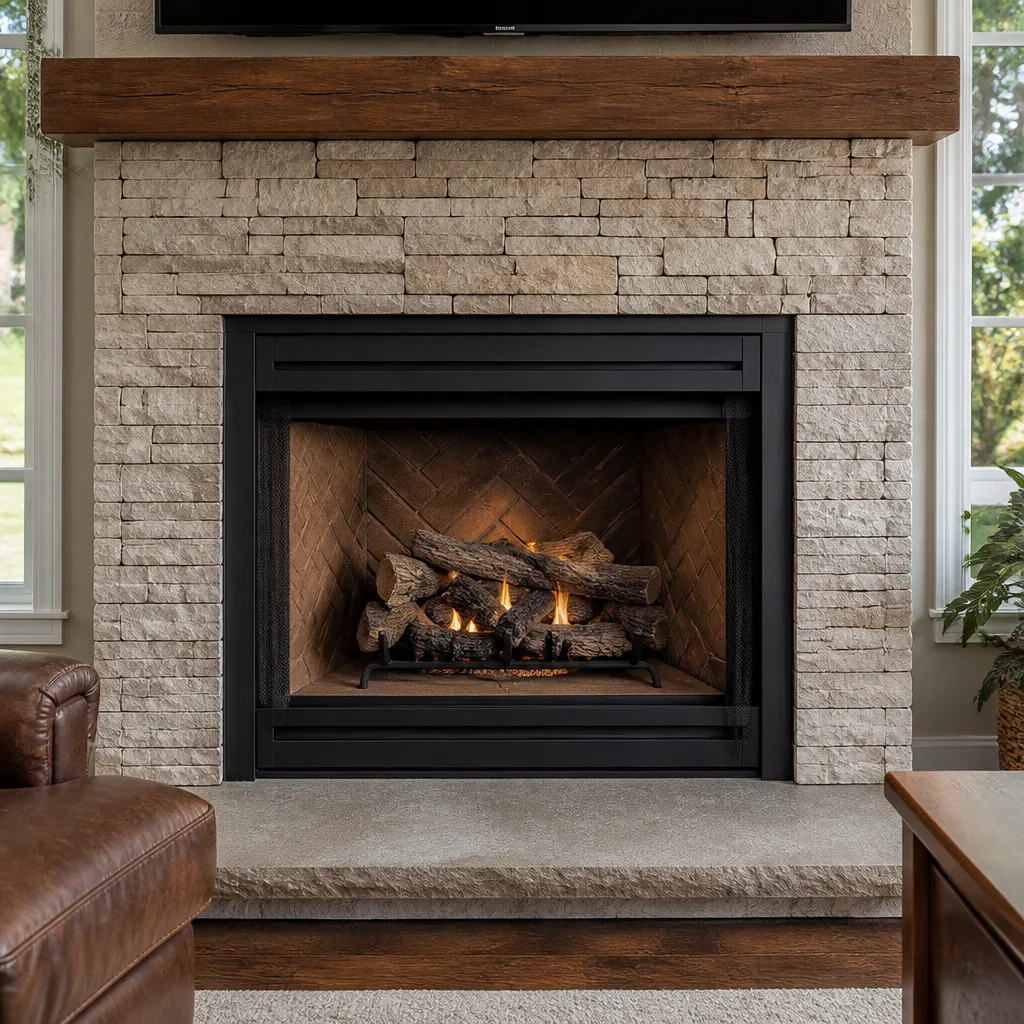
 Gas fireplace service
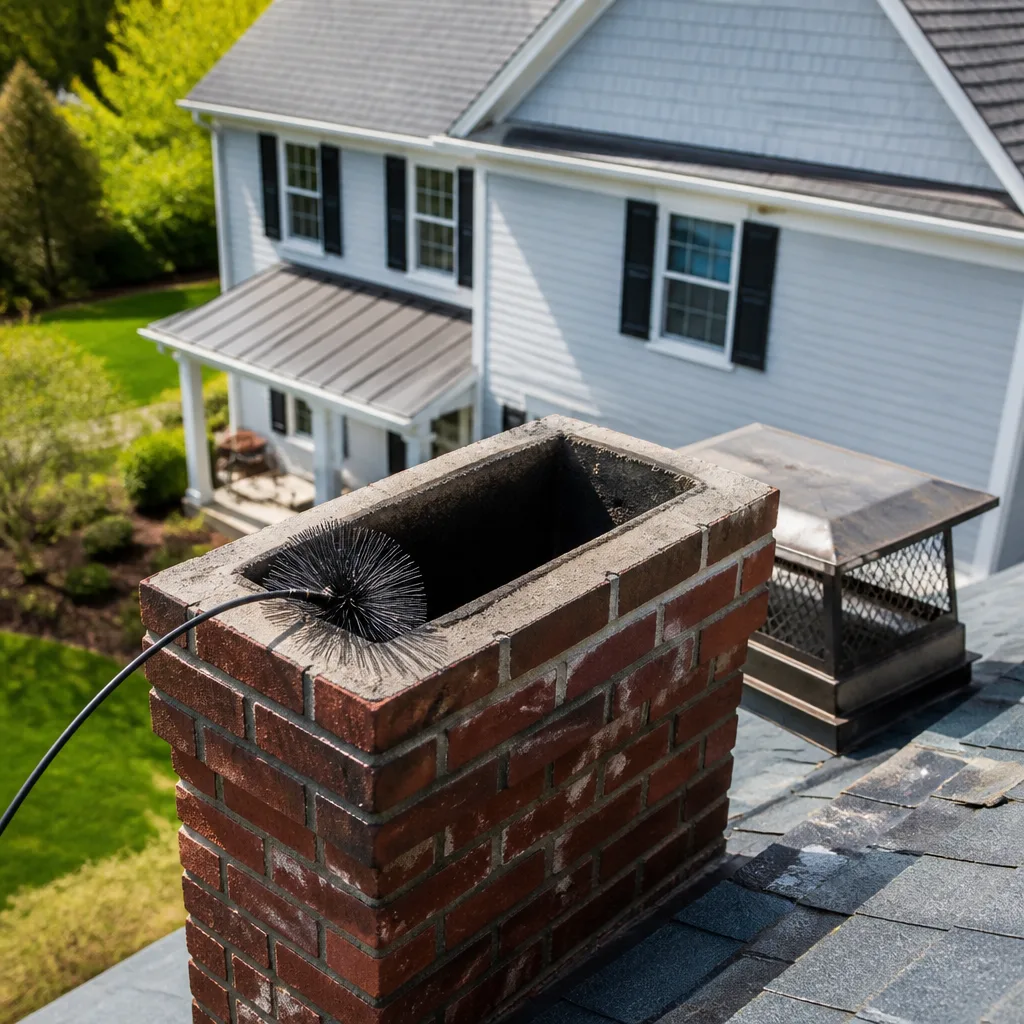 Sweep & inspection
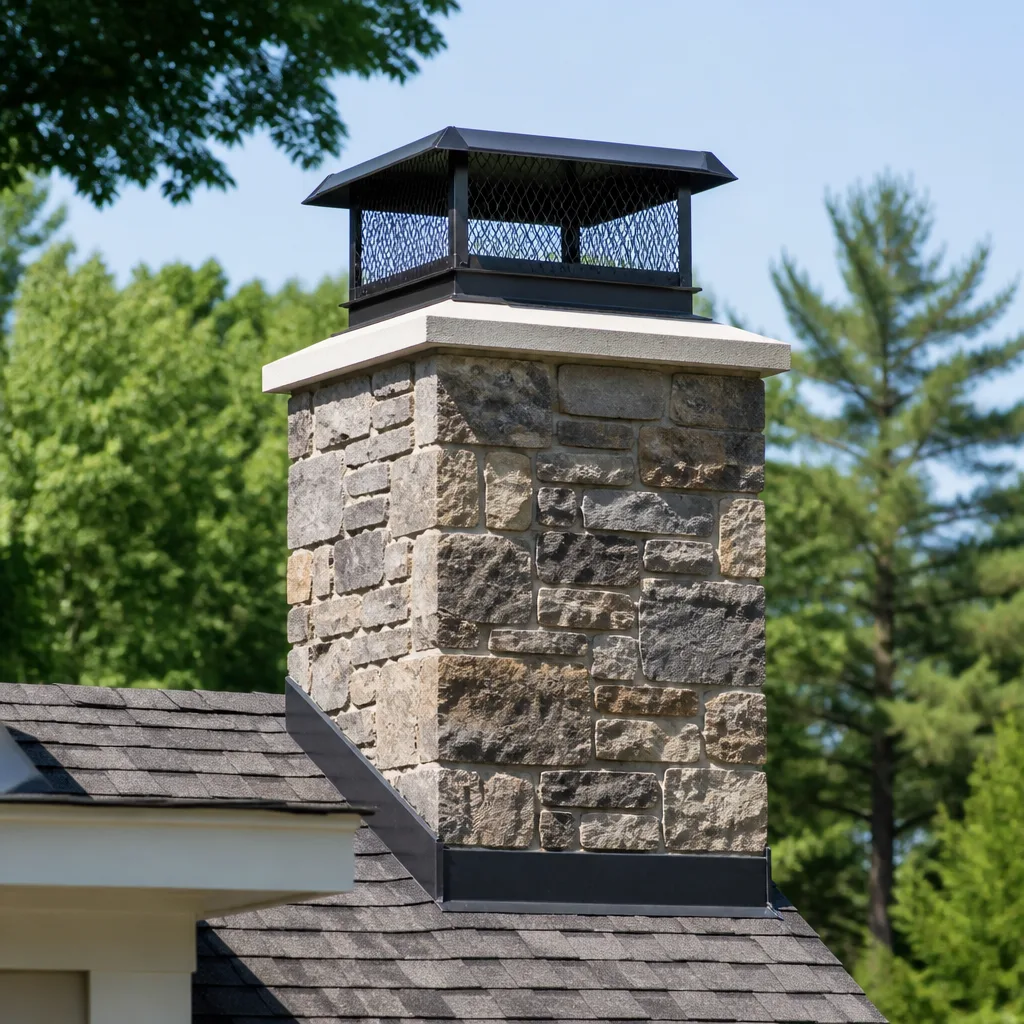 Caps & crowns
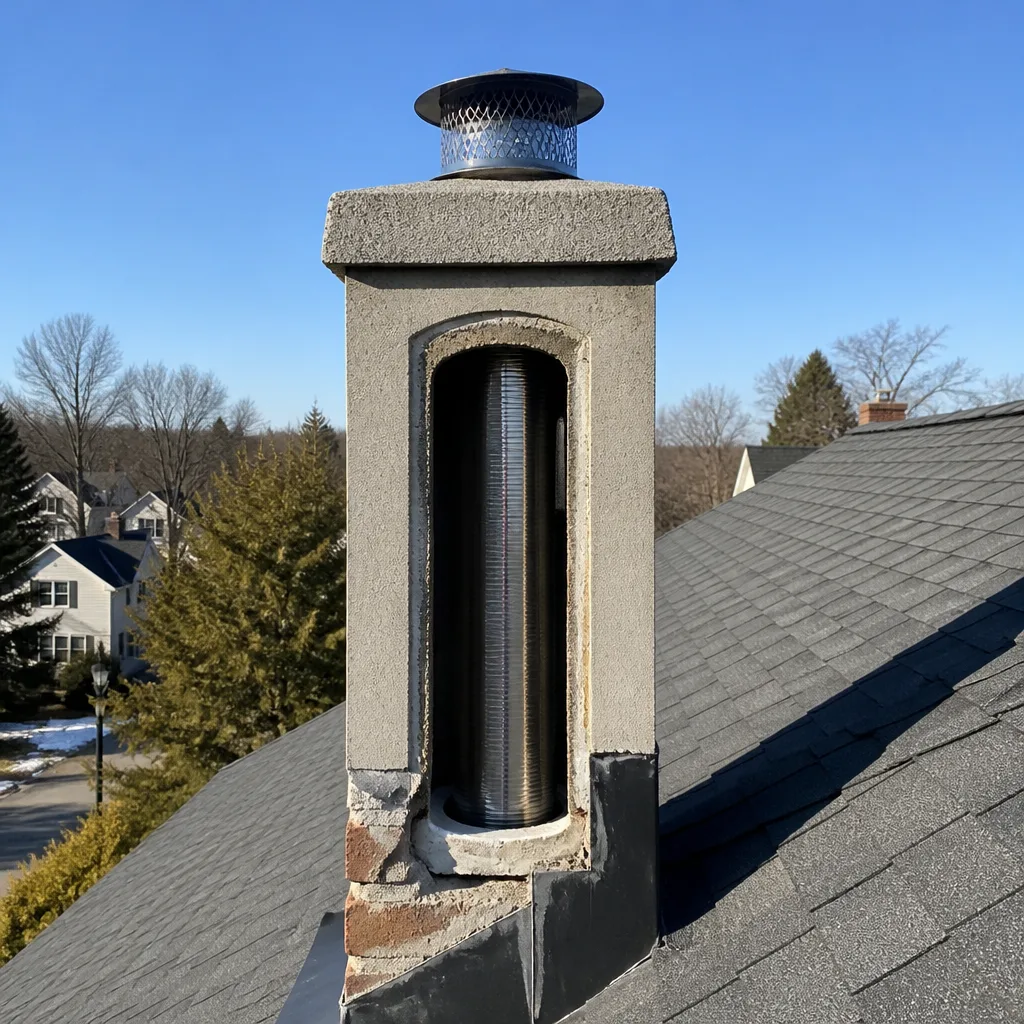 Flue relining
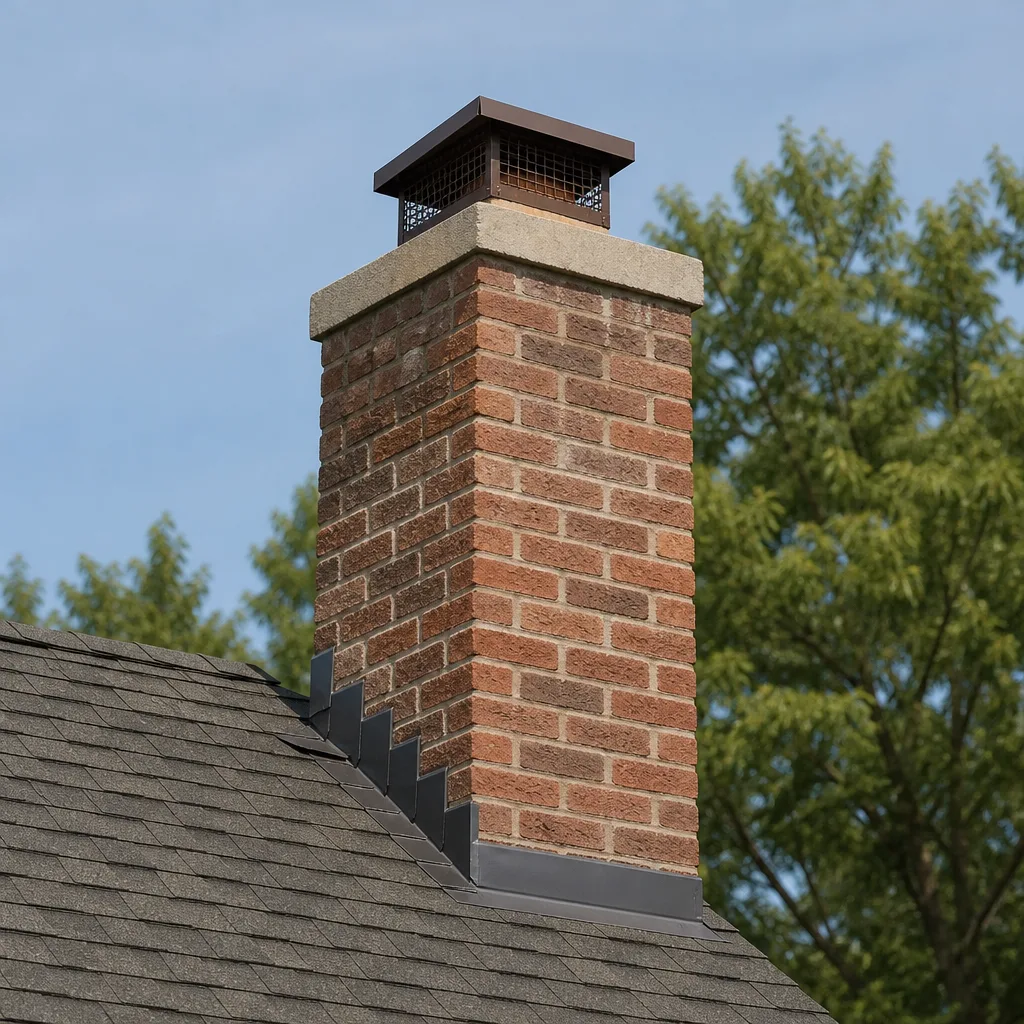 Masonry repair
Level 1 sweep and inspection to the NFPA 211 annual standard - flue, crown, cap, and flashing checked and photographed
Chimney sweep logs do not sweep chimneys. They loosen some creosote - which then falls where a brush and vacuum still have to collect it.
Why Carmichael Homeowners Choose HeatShield Chimney Cleaning
We provide independent Carmichael HeatShield service, including chimney cleaning, inspection, and repair with full CeCure sleeve relining and resurfacing compound work. What separates our HeatShield service from a standard sweep is that we know how these systems actually fail after years of Sacramento Valley summers and wet winters, and we document every flue with a camera before recommending anything. If you own a HeatShield-lined chimney in Carmichael, we’re the crew that reads joint wear and delamination the way a mechanic reads tread depth. Call (833) 593-4469 for an honest assessment of your HeatShield system.
We are an independent HeatShield service provider, not a manufacturer-authorized dealer. That matters because we have no incentive to sell you a new liner when a repair is the right call. Carmichael’s housing stock, mostly 1950s to 1970s ranch homes with original masonry fireplaces retrofitted with HeatShield systems, gives us a deep sample of how CeCure and resurfacing products hold up over decades. We’ve swept and repaired hundreds of HeatShield-lined flues across Carmichael and Sacramento County, and we’ll give you a straight answer about what’s happening inside yours.
Why Trust Chimney Sweep Carmichael for Your HeatShield Chimney Cleaning?
HeatShield is a professional-grade ceramic resurfacing and relining system. It’s not something a generalist handyman with a brush should be touching, because the failure modes require a trained eye to catch before they become structural problems. Ross Albright grew up in the Arden-Arcade area just west of Carmichael and has spent the better part of two decades working chimneys throughout the Sacramento foothills, including providing HeatShield in Arden-Arcade. He picked up the technical side of the trade through the HVAC and building systems program at American River College, where a course on combustion and venting first made him realize how many homeowners were lighting fires in flues nobody had looked at in years.
That background shapes how we approach HeatShield work. Before any cleaning, we run a Level 2 camera inspection to document joint condition, crown transition, and creosote stage. We look for the specific things HeatShield systems do when they fail: edge lift where the CeCure sleeve meets the crown, blistering in resurfacing compound over spalled brick, and water channels that have carved paths behind the liner. Most companies skip the camera. We won’t, because a HeatShield liner can look fine from the top and be separated from the flue wall at the crown, quietly collecting creosote and moisture. A clean flue isn’t a luxury, it’s just what a working fireplace actually needs.
Styles & brands we work with
- Sweep & inspection
- Caps & crowns
- Flue relining
- Masonry repair
- Gas fireplace service
Common HeatShield Chimney Cleaning Problems We Fix in Carmichael
These are the issues we see regularly in HeatShield systems across Carmichael, from the older neighborhoods off Fair Oaks Boulevard to newer homes where HeatShield was installed in the last decade:
- CeCure sleeve joint separation at the crown transition. The CeCure Sleeve Relining System is a cast-in-place ceramic sleeve poured inside the existing flue. Where the sleeve terminates at the crown, the transition joint can lift or separate over time, especially in Carmichael’s dry-summer, wet-winter cycle. The clay heats and cools, the crown mortar shrinks, and a gap opens. Creosote and moisture work into that gap, and the liner stops functioning as a sealed system. We find this on chimneys that were relined 10 to 15 years ago and never inspected afterward.
- Resurfacing compound blistering over unprepared brick. HeatShield Resurfacing Compound is trowel-applied over existing flue tile. It works when the substrate is sound and dry. When it’s applied over spalled brick or a flue that stays wet, the compound delaminates in patches. Homeowners in Carmichael see this as white or gray flakes in the firebox after burning. The fix isn’t another coat, it’s addressing the moisture source first, then evaluating whether the underlying tile can support re-application.
- Water channeling behind the liner from crown cracks. Carmichael’s wet season drives rain into cracked crowns, and that water travels down behind a HeatShield liner. By the time a homeowner notices efflorescence on the chimney exterior or dampness in the firebox, the liner has been wet for months. We repair the crown, seal the crown-to-flue transition, and waterproof the stack to stop the intrusion at the source.
- Glaze-stage creosote on HeatShield-lined flues. The hotter and drier the Carmichael summer, the more creosote bakes into a hard, glassy shell. Rotary sweeping with the right head is the only way to remove it without gouging the ceramic surface. Standard wire brushes skip right over glaze. If your HeatShield flue hasn’t been swept in years, plan on a rotary job.
- Cap and flashing interfaces trapping debris. On chimneys where a HeatShield liner was installed alongside a new cap, the cap-to-crown interface can trap pine needles, roof rat nesting material, and moisture from Carmichael’s oaks and redwoods. Swifts and rats enter through rusted hardware cloth and build nests on top of the liner termination. We clear it, then recommend a cap design that actually sheds debris instead of collecting it.
HeatShield Parts & Our Repair-vs-Replace Approach
For CeCure and resurfacing work, we use HeatShield OEM components because the system’s performance depends on material consistency: the ceramic compound, the bonding agent, and the cast-in-place process all have to match the original specification. For caps, dampers, and flashing, we’ll use quality aftermarket stainless components where they meet or exceed OEM, because that’s often where manufacturers mark up commodity hardware. We’re upfront about which parts we’re using and why.
Our repair-vs-replace logic is simple. If a HeatShield liner has localized damage and the surrounding substrate is sound, we repair it. If the CeCure sleeve has separated from the flue wall, if water has been running behind it, or if the underlying masonry is compromised, we’ll tell you honestly that a full reline or rebuild is the safer spend. We specify the repair before we sell it. That means you get a camera report showing exactly what we found, not a verbal upsell you have to take on faith. Call (833) 593-4469 if you want an assessment you can see with your own eyes.
Our HeatShield Service Process – Step by Step
- 1
Diagnosis. We run a Level 2 camera inspection of your HeatShield flue from crown to firebox, checking joint condition, compound adhesion, crown transition, and creosote stage. We photograph everything. If glaze-stage creosote is present, we note where and how thick.
- 2
Clearing and prep. We rotary-sweep the flue with a head matched to the ceramic surface, then remove debris from the smoke shelf and firebox. For chimneys that have sat unused through a Carmichael summer, we clear nesting material and check for roof rat entry points at the cap.
- 3
Repair or reline. For localized failure, we prep the substrate, apply HeatShield compound or repair the CeCure section, and address the crown-to-flue transition. For separated sleeves or compromised masonry, we quote a full reline with the same HeatShield system and explain the difference in lifespan.
- 4
Test and verify. We run a second camera pass after the work, fire the system if conditions allow, and check draft with a smoke test. We won’t call a chimney done until we’ve verified the liner is sealed and drafting.
- 5
Warranty documentation. We photograph the completed work and note materials used, so you have a record for HeatShield warranty purposes and for future inspections. A clean liner with no documentation is a liner you can’t prove was maintained.
See the difference
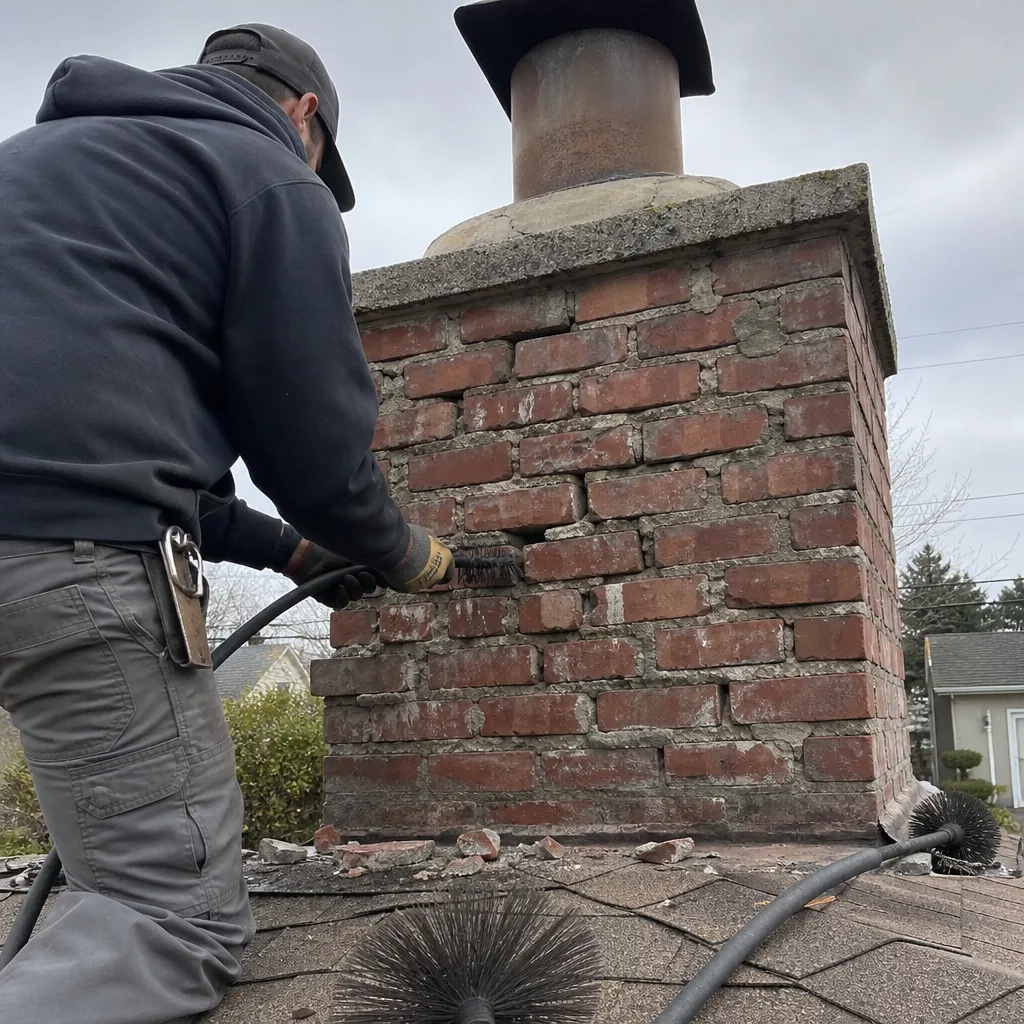 Before
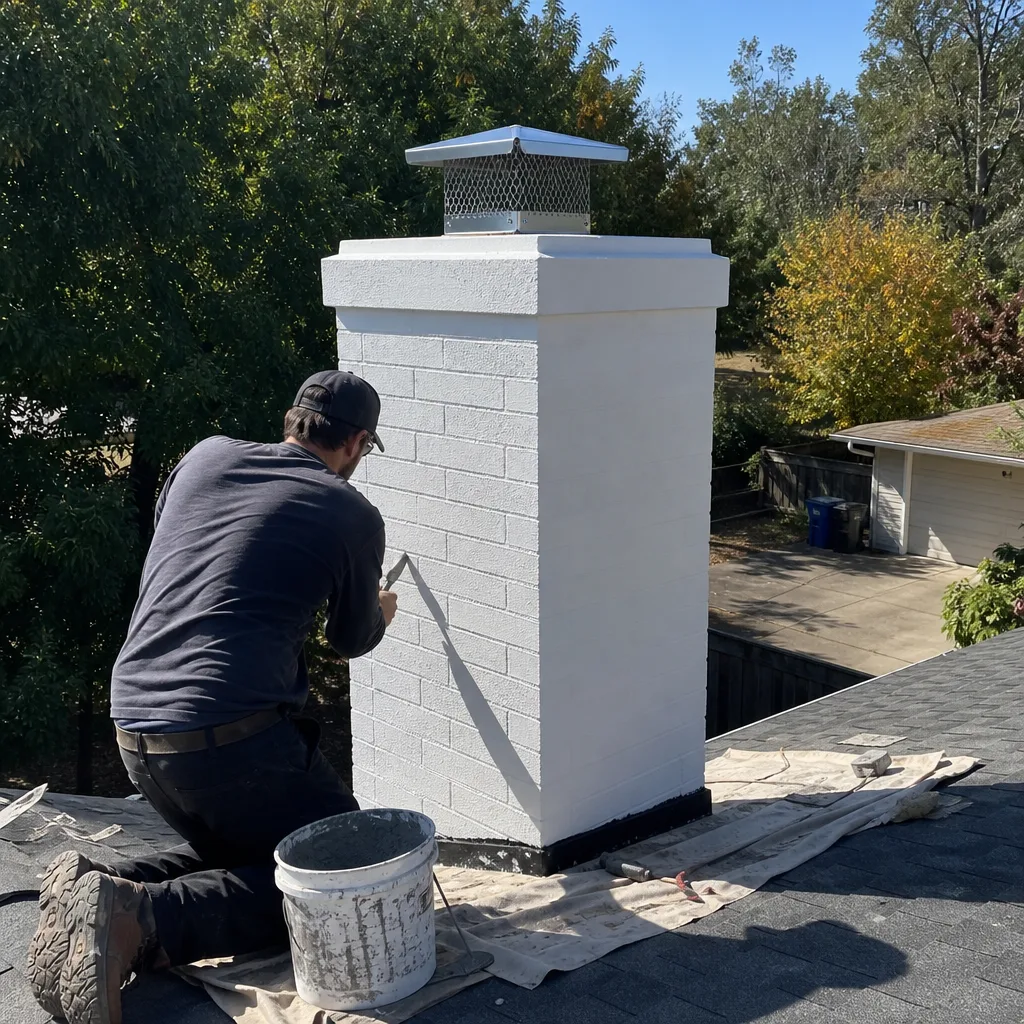 After
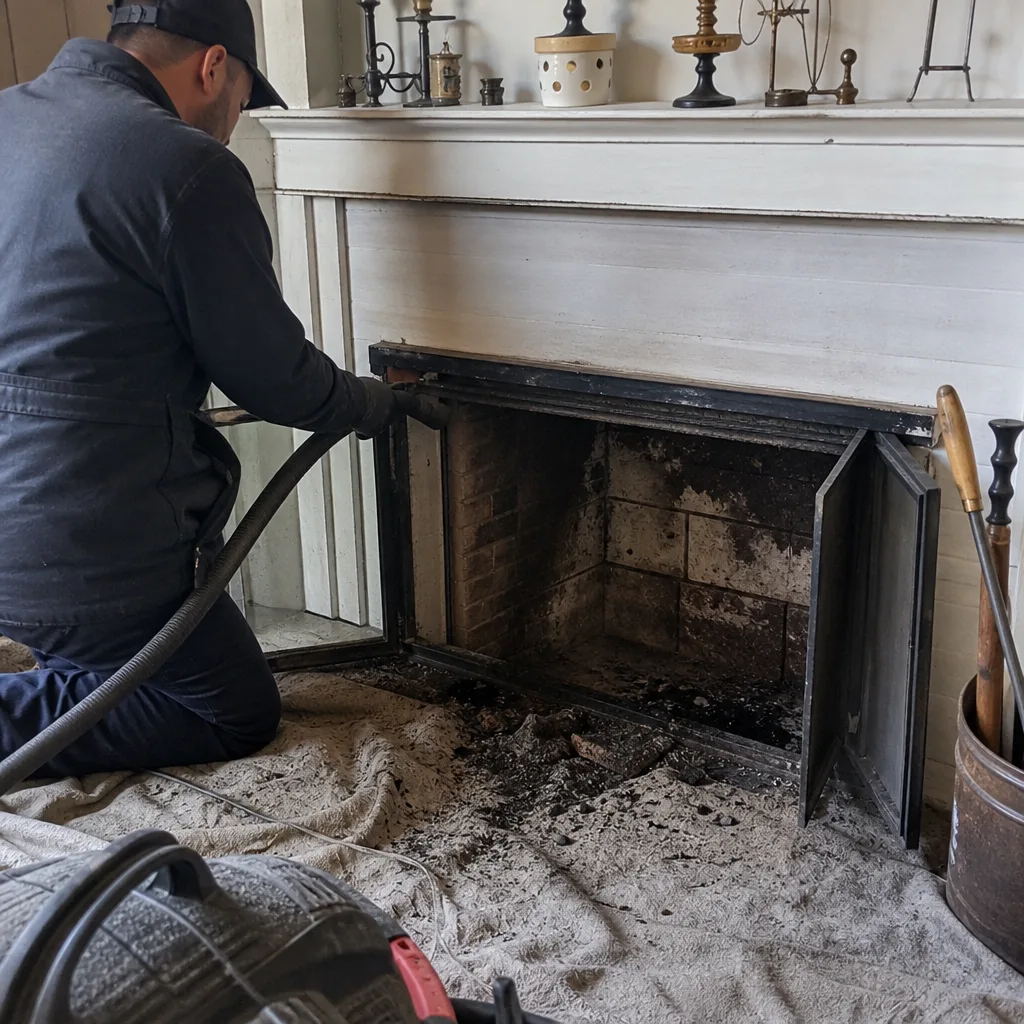 Before
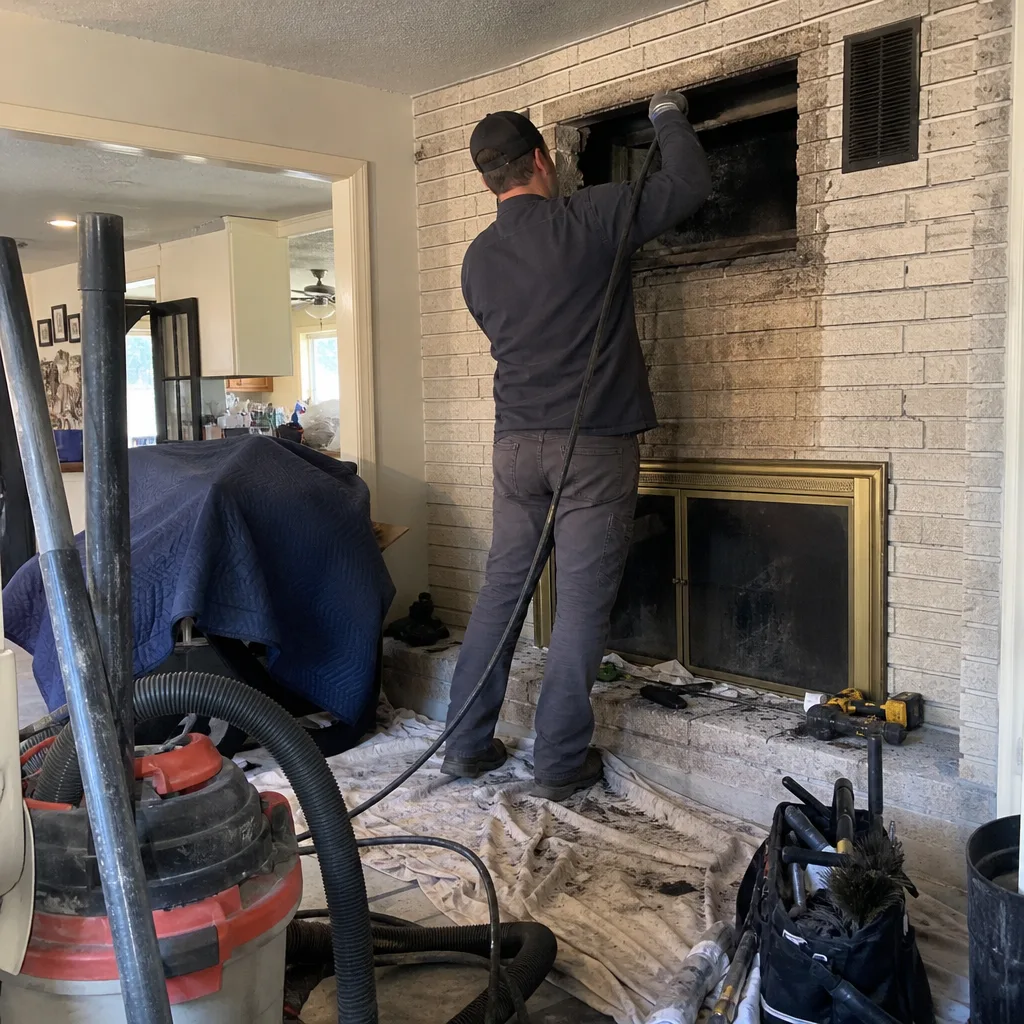
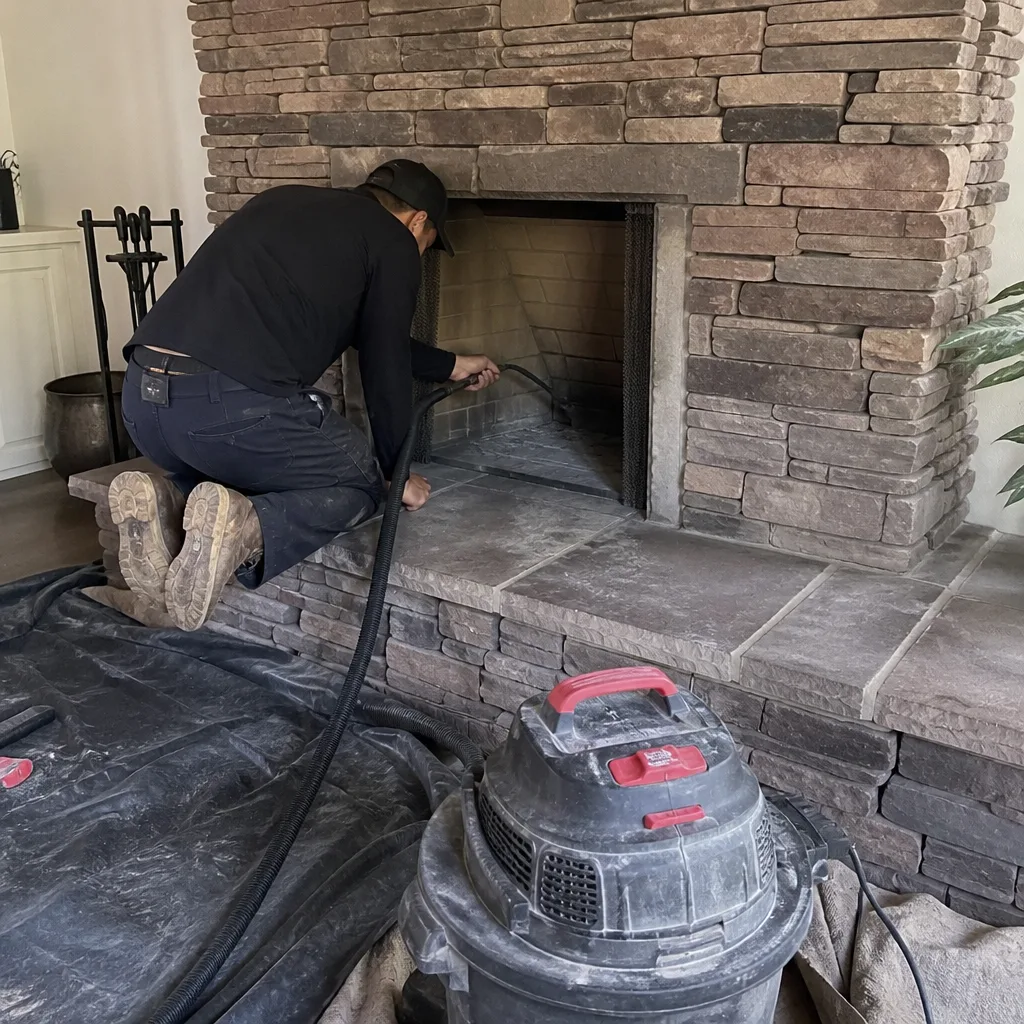 After
 Before
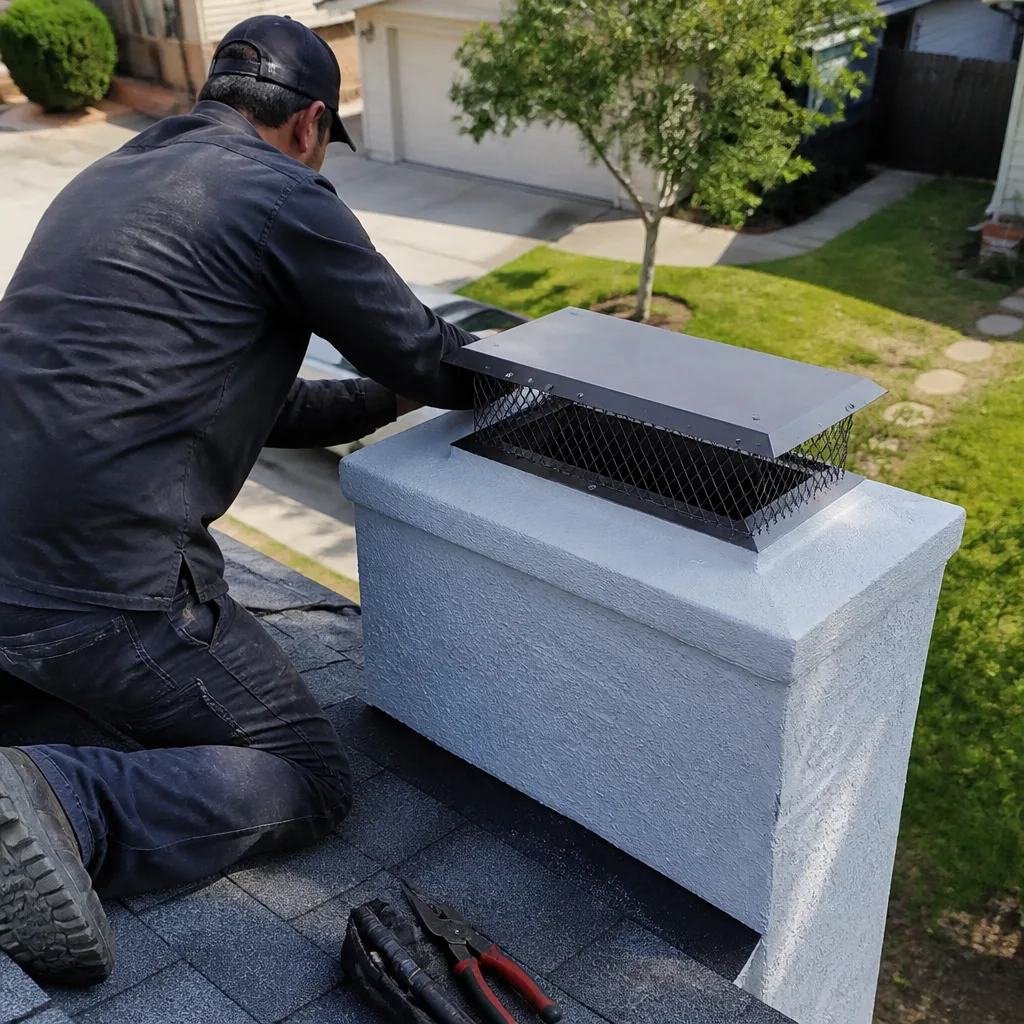 After
HeatShield Products We Service & Install in Carmichael
We repair and install the full HeatShield system range, including the CeCure Sleeve Relining System for full flue restoration, HeatShield Resurfacing Compound for trowel-applied repair over sound tile, and HeatShield CrownGuard and crown repair products for sealing the top of the stack. We also handle cap replacements integrated with HeatShield-lined chimneys, matching the termination to the liner so debris and moisture don’t work against the system. For Carmichael homes with converted gas log sets or sealed-off fireplaces, we inspect the existing HeatShield liner and verify it’s still sound for its current use, which is often the piece of information a homeowner needs before deciding whether to keep the fireplace or seal it permanently.
We Also Service These Brands
While this page focuses on HeatShield, our crew works daily with DuraFlex stainless liner systems and Gelco caps. That matters because Carmichael chimneys often combine brands: a HeatShield liner under a Gelco cap, or a DuraFlex reline above a HeatShield-repaired crown. We diagnose the whole system, not just the brand on the label.
FAQs – HeatShield Chimney Cleaning Service in Carmichael
You’ll typically see one of three things: white or gray flaking in the firebox or on the damper, a persistent damp smell from the chimney when it rains, or creosote buildup that comes back quickly after a sweep. Flaking means the resurfacing compound or CeCure surface is delaminating. Dampness usually points to water getting behind the liner, often through a crown crack or a failed crown-to-flue transition. Rapid creosote return suggests the liner isn’t drafting properly, which can happen when joints have separated. The only way to confirm is with a camera inspection. Call (833) 593-4469 and we’ll run one before recommending anything.
Not on a fixed schedule. A properly applied HeatShield resurfacing compound can last decades if the crown is intact and the flue isn’t exposed to continuous moisture. What shortens its life in Carmichael is crown neglect: water gets in, the compound stays damp, and it starts to blister. Regular inspection catches this early. If you’re seeing flaking or the firebox is getting dusty deposits after each burn, have the flue camera-inspected rather than assuming it needs a re-coat.
Yes, if you use the right equipment and technique. HeatShield surfaces are ceramic and can be scratched or gouged by aggressive wire brushes. We use rotary heads matched to the liner material and condition, and we adjust speed and pressure based on what the camera shows before we start. A standard flat wire brush pushed up and down a ceramic-lined flue is a good way to damage the surface. If glaze-stage creosote is present, rotary sweeping is the only method that removes it without harming the liner.
The leak usually isn’t the liner itself. It’s the crown, the crown-to-flue transition, or the flashing. Carmichael’s wet season delivers steady rain, and any crack in the crown mortar channels water down behind the HeatShield liner where it can’t evaporate. The fix starts with a crown repair or replacement, often using HeatShield CrownGuard or a comparable coating, then waterproofing the exterior masonry. If the water has been running for years, the liner may also need repair where it’s lifted or the compound has delaminated. We’ll camera the flue to check.
Almost always worth repairing. The chimney structure itself, the brick and mortar shell, is usually sound even when the liner has failed. What Carmichael homeowners actually need is a functional flue liner inside that shell, and that’s exactly what HeatShield CeCure or resurfacing provides. Replacing the entire chimney would cost multiples more and wouldn’t perform any better than a properly installed HeatShield system. The exception is when the masonry itself is spalled and structurally compromised, which we’ll tell you plainly. Call (833) 593-4469 for an honest assessment before you spend anywhere near rebuild money.
HeatShield chimney cleaning in Carmichael typically runs between $200 and $400 for a standard sweep with camera inspection, depending on creosote stage and whether nesting material needs clearing. Repairs, resurfacing, or CeCure relining are quoted separately based on what the camera shows. Glaze-stage creosote removal costs more because it requires rotary equipment and more time. We’ll give you a flat price before any work starts, and we’ll show you the photos that justify the recommendation. Call (833) 593-4469 for an exact quote for your HeatShield flue. Estimates are free.
Book Your HeatShield Service in Carmichael, CA
If your HeatShield-lined chimney in Carmichael hasn’t been inspected in years, or you’re seeing flaking, dampness, or rapid creosote return, call (833) 593-4469 today. We’ll schedule the camera inspection, walk you through what we find, and give you a flat price for any repair or cleaning. We serve Carmichael and surrounding Sacramento County areas, and we’ll give you a straight answer about what your flue actually needs.
Written by Ross Albright, Owner at Chimney Sweep Carmichael, serving Carmichael since 2012.