
Last updated November 3, 2026
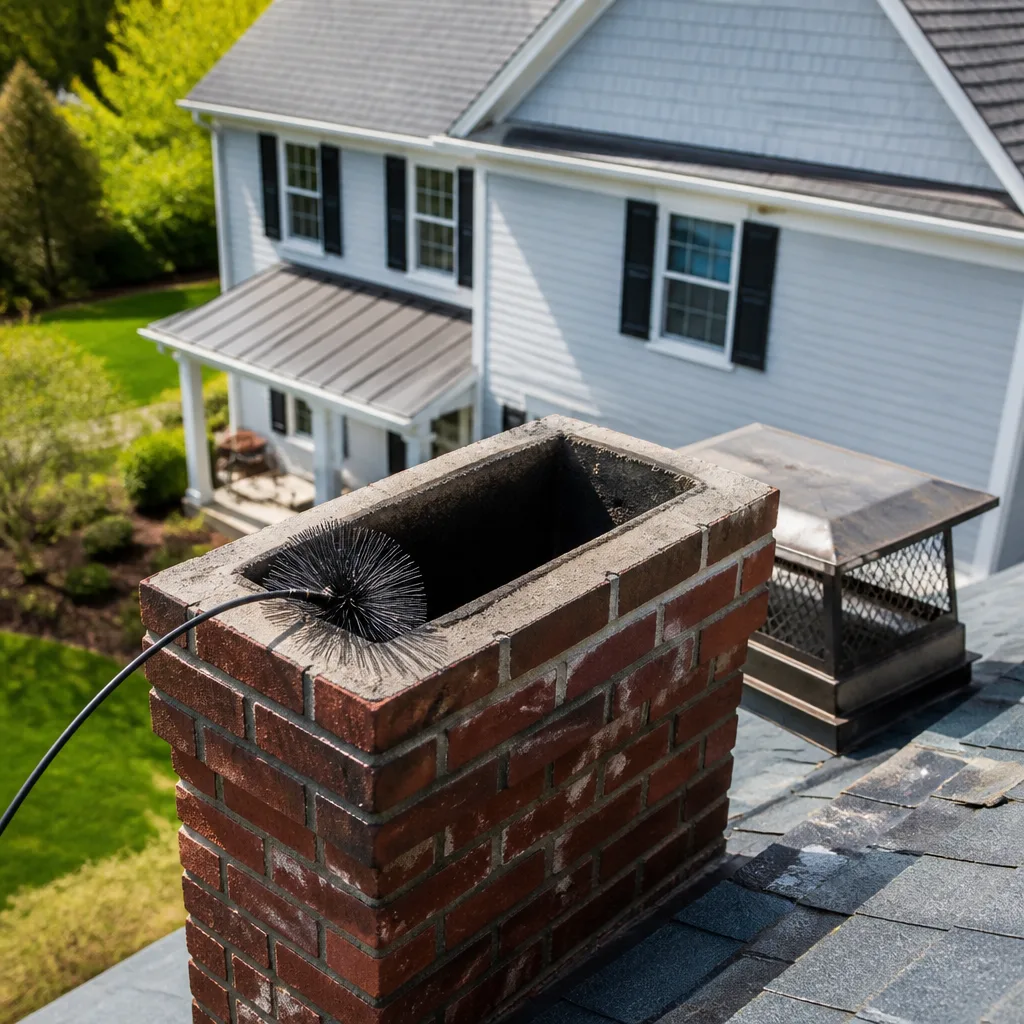 Sweep & inspection
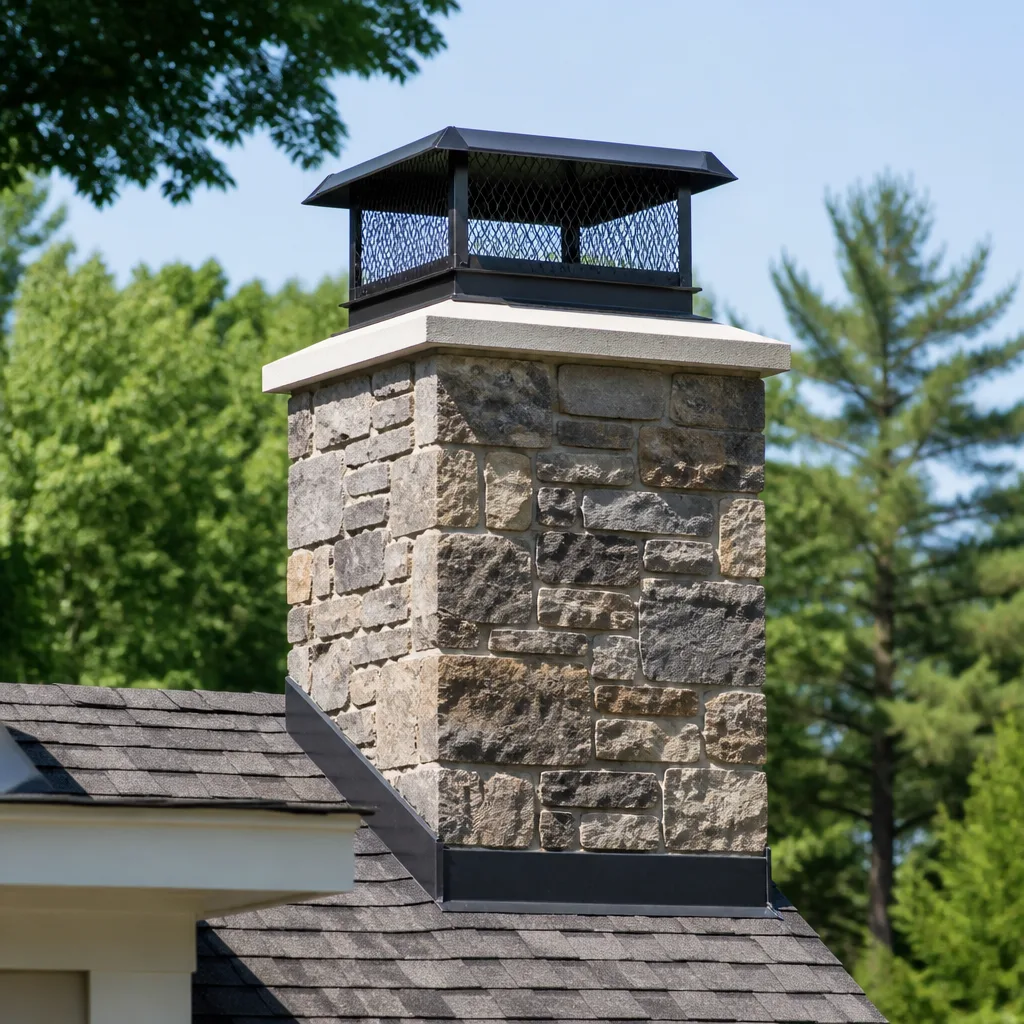 Caps & crowns
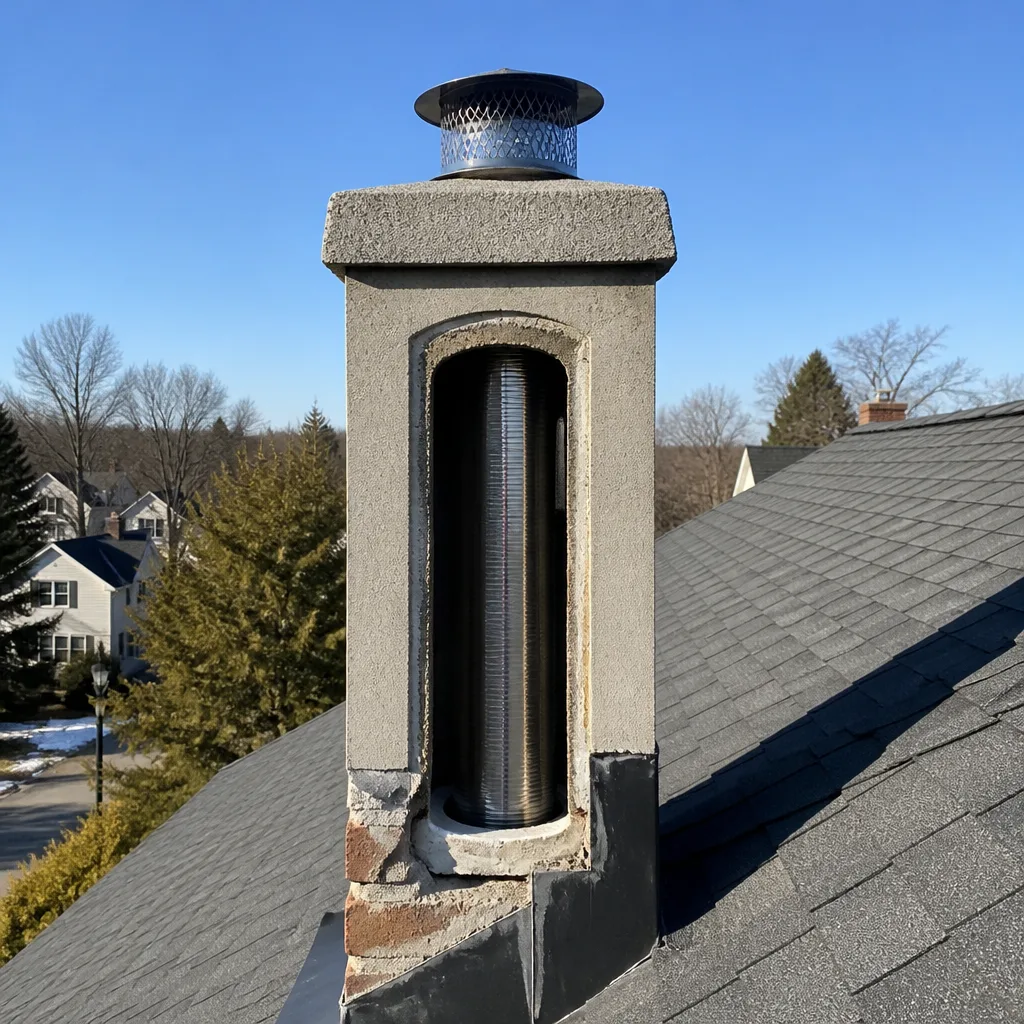 Flue relining
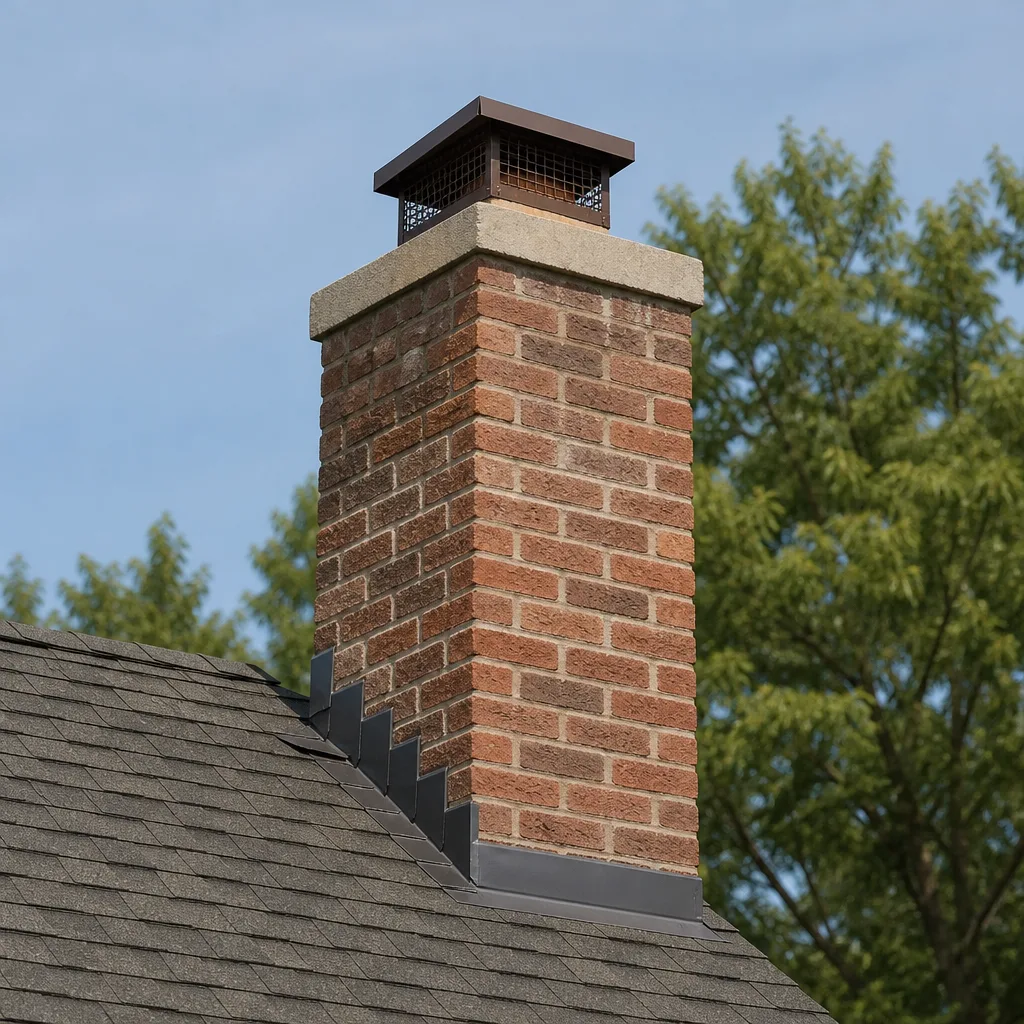 Masonry repair
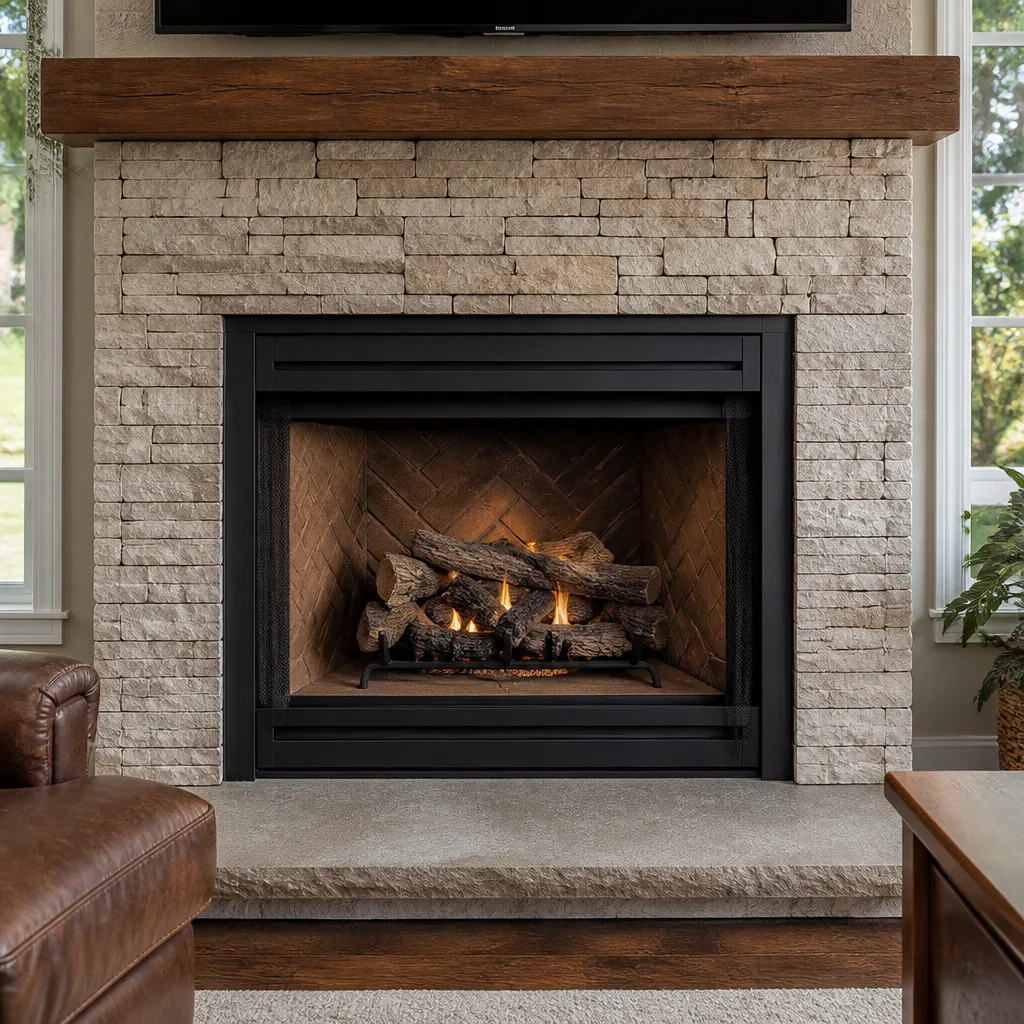 Gas fireplace service
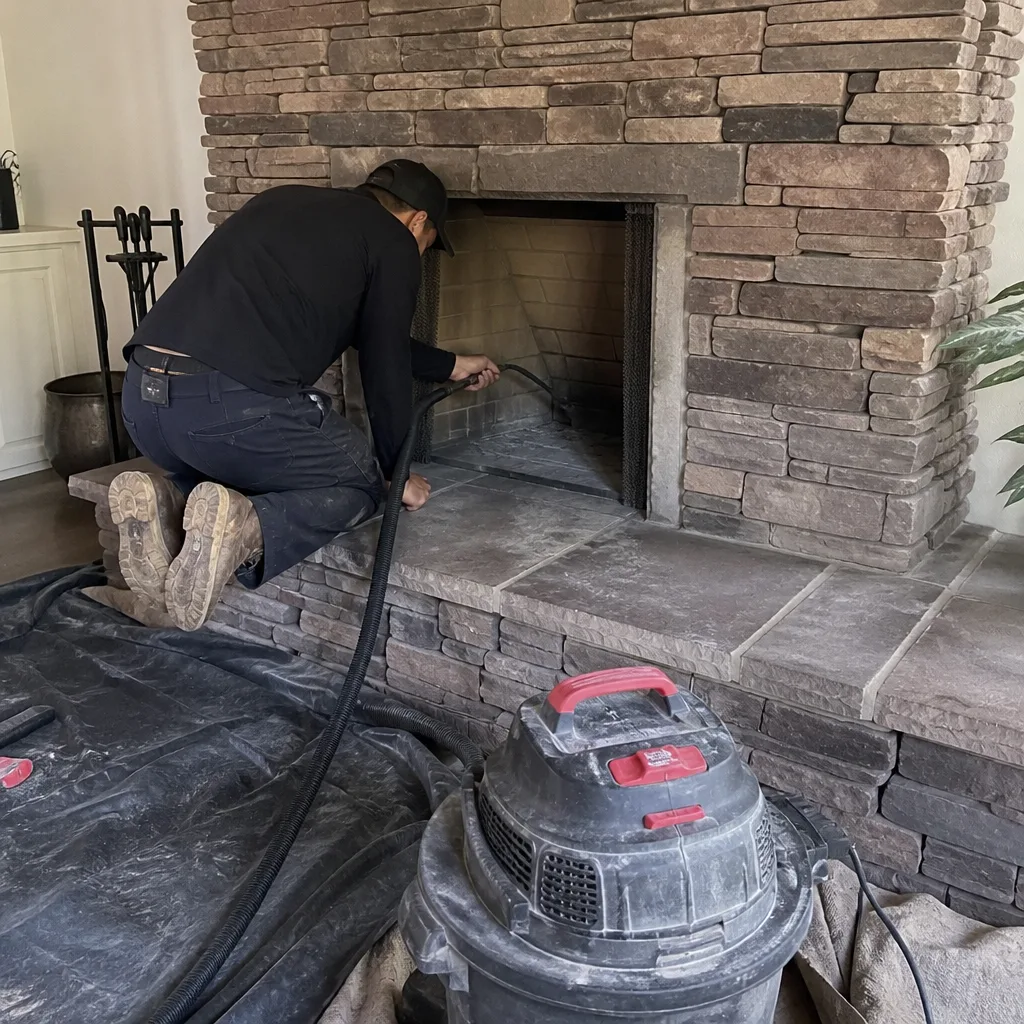
Level 1 sweep and inspection to the NFPA 211 annual standard - flue, crown, cap, and flashing checked and photographed
Chimney sweep logs do not sweep chimneys. They loosen some creosote - which then falls where a brush and vacuum still have to collect it.
Choosing the Right Chimney Cleaning Brand: A Buyer’s Guide for Carmichael
When a sweep installs a stainless steel liner, the label inside the box determines whether it lasts 15 years or starts to corrugate and delaminate in five. That label is almost never mentioned in a quote, and most Carmichael homeowners never think to ask. What you get instead is a line item that says “liner replacement” and a price, with no indication of whether you’re paying for a system built to professional chimney contractor standards or whatever the local supply house had on the shelf. This guide explains what the brands actually mean, which ones hold up in Carmichael’s specific conditions, and how to ask the right questions before you sign, or explore more guides & resources for additional help.
Quick Answer
The right chimney cleaning brand isn’t a sweep company name. It’s the product brand your sweep specifies for repairs: DuraFlex for liner systems, HeatShield for flue resurfacing, Copperfield for caps and accessories. A sweep who names these brands without hesitation is working with professional trade supply chains. A sweep who says “we use whatever works” is telling you something about their margins and their standards.
Styles & brands we work with
- Sweep & inspection
- Caps & crowns
- Flue relining
- Masonry repair
- Gas fireplace service
Table of Contents
- Why the Brand on the Box Matters More Than the Logo on the Truck
- Liner Systems: DuraFlex, Flex-King, and What Makes a Trade Standard
- 304 vs. 316Ti Stainless: The Fuel Type Question Carmichael Homeowners Need to Ask
- HeatShield: What It Is, What It Isn’t, and When It’s the Right Call
- Caps, Accessories, and the Copperfield Standard
- Seven Questions to Ask a Prospective Sweep Before You Book
- Warranty Coverage: Why Brand Specification Determines Whether You’re Actually Covered
- Carmichael-Specific Factors: Climate, Fuel Mix, and Local Code
Why the Brand on the Box Matters More Than the Logo on the Truck
A chimney sweep’s company name tells you almost nothing about the quality of materials that will end up inside your flue. What tells you everything is the answer you get when you ask: “Which liner system do you install?” A sweep who answers “DuraFlex” or “Flex-King” within a second is working through professional chimney supply channels. A sweep who pauses, then says something like “we use a good-quality product” or “don’t worry, it’s all the same stuff” is often working with generic, unbranded materials sourced from big-box retailers or discount online suppliers.
The difference is not cosmetic. Professional-grade liner systems are manufactured to specific tolerances for wall thickness, alloy composition, and corrugation profile. They’re tested for flex fatigue, which matters because a liner gets pulled through a masonry flue and contorted around offsets and bends. A generic liner may look identical in a photo but fail at the weld seam or delaminate at the corrugation crease within a few seasons. In Carmichael, where we have cold winter mornings, warm dry summers, and the occasional atmospheric river dumping moisture into uncapped flues, that thermal cycling accelerates material failure. A liner that works fine in a mild coastal climate can start showing stress fractures here within five years.
We stock and install DuraFlex liner systems, and we specify HeatShield for flue resurfacing, Copperfield for caps and accessories, Gelco for cap components, Olympia Chimney for chase covers and pans, and Famco for venting components. These are the same brands chimney contractors order when they’re building or rebuilding a system for a client who expects documentation and warranty coverage. None of them are sold at your local home center, and that’s the point. Trade brands stay in trade channels because they’re specified by people who have to stand behind the work.
Here’s what the brand on the box actually signals, in practical terms:
- Supply chain discipline: The sweep has a relationship with a professional chimney distributor, not a retail hardware aisle.
- Warranty documentation: Branded products come with manufacturer warranty paperwork that requires installation by a qualified contractor. Generics usually carry no traceable warranty.
- Performance data: A DuraFlex liner has published specifications for temperature rating, fuel compatibility, and lifecycle testing. An unbranded liner has none of that.
- Accountability: If a branded product fails, there’s a documented chain from manufacturer to distributor to installer. If a generic fails, the sweep just disappears.
When a Carmichael homeowner asks us to evaluate work done by a previous sweep, the first thing we look for is whether the installed components have any identifying marks. More often than not, when the work is failing, there are none. That’s not a coincidence.
Liner Systems: DuraFlex, Flex-King, and What Makes a Trade Standard
A stainless steel chimney liner is not a commodity item, even though it’s sold that way by people who don’t know the difference. The two names that dominate professional chimney installation in the United States are DuraFlex and Flex-King, both manufactured by the same parent company, with DuraFlex positioned as the premium line. If a sweep tells you they install either of these, you’re talking to someone who orders through chimney supply houses. If they can’t name a liner brand, you’re talking to someone who buys through a different channel.
What makes DuraFlex the more demanding spec? A few things that show up in the engineering documentation but rarely in the sales pitch:
- Alloy specificity: DuraFlex is available in multiple stainless grades, each matched to a fuel type. 304 for wood and many gas applications, 316Ti for gas and oil where higher corrosion resistance is required. The alloy is identified on the product, not guessed at.
- Corrugation profile: The flex pattern is engineered for smooth gas flow and consistent expansion under heat. Poorly formed corrugations create turbulence and hot spots.
- Weld quality: Professional liner systems use continuous weld seams tested under load. Off-brand liners often use spot welds or adhesive seams that fail at temperature.
- Connector compatibility: A DuraFlex system includes engineered couplers, top plates, and termination caps that fit together as a system. Mixing generic components across different manufacturer tolerances is how you get gaps and leaks.
In Carmichael, we work primarily with DuraFlex, and the reason is straightforward: the houses in this area have older masonry chimneys with the typical profile of flue tile offsets, rough mortar joints, and varying internal dimensions that force a liner through a serpentine path. That demands a liner with documented flex fatigue resistance. A liner that fails to survive installation or shifts out of alignment in the first heating season isn’t a warranty problem. It’s a material problem.
One thing we tell every homeowner who’s comparing liner quotes: ask what alloy grade you’re being quoted. “Stainless steel” is not a grade. It’s a category. The grade determines how long the liner survives. Chimney Repair in Carmichael work that involves liner replacement should always specify the grade in writing.
304 vs. 316Ti Stainless: The Fuel Type Question Carmichael Homeowners Need to Ask
Here’s a question that turns a vague quote into a specific one: “What grade of stainless are you installing?” If the answer is just “stainless,” you’re not getting the information you need. If the answer is “304” or “316Ti,” you’re talking to someone who understands fuel chemistry.
The difference between 304 stainless and 316Ti stainless comes down to corrosion resistance and temperature tolerance. Both are stainless. Both are used in chimney liners. But they’re not interchangeable across every fuel type.
- 304 stainless is the workhorse grade for wood-burning applications. It resists the acidic creosote deposits that form when wood smoke condenses on liner walls. For a Carmichael homeowner burning seasoned oak or almond in a masonry fireplace or an older wood stove, 304 is usually the correct and cost-effective specification.
- 316Ti stainless adds titanium and a higher nickel content, which gives it superior resistance to the sulfuric and hydrochloric acids that form when gas or oil exhausts condense. Gas combustion produces water vapor, and when that vapor mixes with combustion byproducts, the result is a mild acid bath on the inside of your liner. 316Ti is built for that environment, specifically for gas inserts, gas furnaces, and oil-burning appliances.
Why does this matter for Carmichael specifically? Because Carmichael homes run both. Many houses here have a wood-burning fireplace in the living room and a gas furnace or water heater venting through a separate flue. Some have had gas inserts converted into the old masonry fireplace. If you mix up the fuel type and the alloy grade, you get a liner that corrodes from the inside out at an accelerated rate. We’ve seen gas inserts paired with 304 liners in Carmichael homes, and you can guess what the inside looked like after five or six seasons: pitting, staining, and the early stages of perforation.
The fix is simple. When you’re getting a quote for a liner installation, the fuel type needs to be written on the quote next to the alloy grade. “DuraFlex 316Ti for gas insert application” is a proper specification. “Stainless liner” is not. If a sweep is installing a liner but never asked what fuel you burn, that’s a diagnostic failure before the job even starts.
HeatShield: What It Is, What It Isn’t, and When It’s the Right Call
The Complete Chimney Sweep Guide for Carmichael Homeowners covers why HeatShield, a ceramic flue resurfacing system, occupies a specific place in chimney repair that most Carmichael homeowners have never heard of. It’s not a liner replacement. It’s not a patch kit. It’s a restoration process that rehabilitates deteriorating flue tiles from the inside, using a proprietary ceramic compound applied as a coating and cured to form a smooth, insulated, gas-tight surface.
What HeatShield addresses: cracked flue tiles, eroded mortar joints between tiles, and minor spalling where the clay surface has started to break down. These are the conditions that allow heat and combustion gases to escape into the chimney chase or, worse, through the masonry into the home envelope. In older Carmichael chimneys, especially those built in the 1960s through 1980s, flue tile deterioration is so common that we expect to see it on the majority of Level 2 inspections.
What HeatShield does not do: replace missing structural integrity. If your flue has a major offset, a collapsed tile section, or a masonry chimney that’s cracked through the exterior brick, a ceramic coating won’t fix the underlying problem. In those cases, a full stainless reline is the correct specification. We say this plainly to homeowners because the alternative, selling HeatShield to someone who needs a full reline, is how you end up with a chimney that fails its next inspection and a homeowner who has to pay twice.
The practical advantage of HeatShield is that it’s a mid-tier repair option. A full reline with DuraFlex involves pulling the old liner, if there is one, and installing a new stainless system. That’s a more involved job. HeatShield, when the damage profile is right, can be applied directly to the existing flue tiles without tearing out the old system. For a Carmichael homeowner with early-stage flue deterioration and a chimney that’s otherwise structurally sound, HeatShield can add 10 to 15 years of safe operation at a lower cost than a full reline.
Few single-sweep operations offer HeatShield because it requires certification, specialized application equipment, and a supply relationship with the manufacturer. It’s a lot easier to tell every homeowner they need a new liner. That’s not a diagnostic position. That’s a business model.
More detail on how HeatShield fits into a broader repair strategy is available on our Chimney Sweep in Carmichael page, where we walk through what a Level 2 inspection actually covers.
Caps, Accessories, and the Copperfield Standard
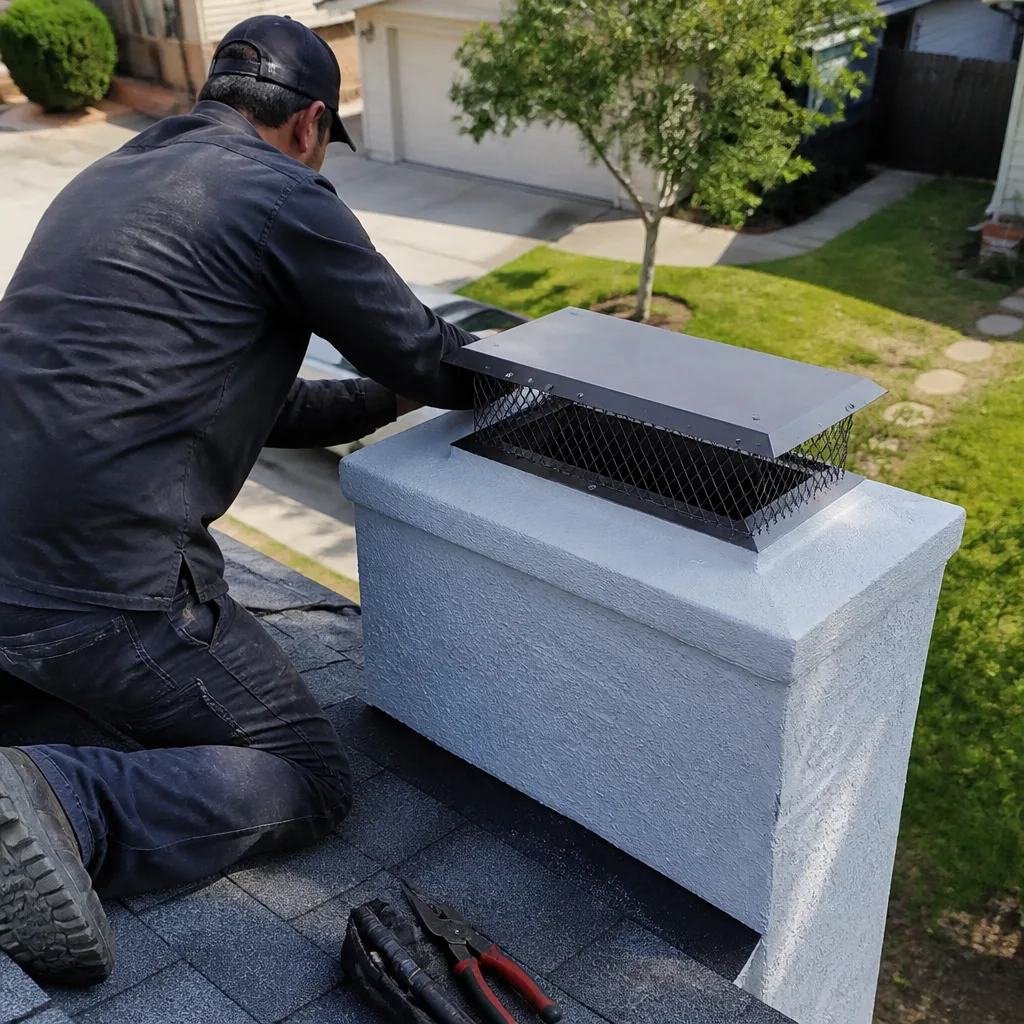
Chimney caps are the smallest component most homeowners never think about, and they cause a disproportionate share of the damage we see in Carmichael chimneys. A missing or failed cap lets rain into the flue, and rain plus wood ash produces a corrosive slurry that eats at mortar joints and flue tiles. It also gives birds and squirrels an entry point, and a nest in your flue is a fire hazard the first time you light a fire in November.
This is where brand specification gets concrete. We install Copperfield caps and accessories, and the reason is the same as the liner logic: they’re built to professional tolerances with materials that survive the conditions. A Copperfield cap is fabricated from galvanized steel, stainless steel, or copper, depending on the application, with welded seams and proper screening. The generic cap from a hardware store is often stamped metal with crimped seams that separate within a couple of seasons. In Carmichael’s wet winters and hot summers, that difference shows up fast.
What a proper cap system includes:
- Correct sizing: A cap that’s too small restricts draft. Too large, and it doesn’t shed water properly. Professional caps are sized to the specific flue interior dimensions and the outside dimensions of the crown.
- Proper mesh: The screen spacing keeps animals out without trapping creosote. Many generic caps use mesh that’s too fine, and it clogs with soot within a season.
- Material matching: A cap on a wood-burning flue is exposed to direct flame heat and creosote condensation. A cap on a gas flue sees acidic condensate. The materials need to match the enemy.
- Crown integration: A cap doesn’t sit in isolation. It works with the chimney crown, the sloped concrete surface at the top. If the crown is cracked, the best cap in the world won’t keep water out.
We also use Gelco cap components and Olympia Chimney chase pans and covers where the application calls for them. Chase pans are the flat metal covers on top of prefabricated chimney chases, and they fail with depressing regularity in Carmichael because they collect water and rust through. A properly fabricated Olympia pan with a steep slope and a welded seam lasts decades. A cheap pan lasts about as long as a Carmichael summer feels short.
The brand question applies here just as much as it does with liners. Ask a sweep what cap they’re installing. If the answer is “a stainless one,” you haven’t learned anything. If the answer is “a Copperfield, sized for your flue, with standard mesh,” you’re talking to someone who specifies.
Seven Questions to Ask a Prospective Sweep Before You Book
Most Carmichael homeowners don’t know how to evaluate a chimney sweep because they’ve never had to do it before. Here’s a numbered list you can literally read off your phone when you’re getting a quote. The answers will tell you more than any review site.
- “What liner brand do you install?” The correct answers are DuraFlex, Flex-King, or another trade-name system. If you get a brand name, write it down. If you get vagueness, that’s a signal.
- “What grade of stainless is the liner?” The answer should be 304 or 316Ti, and the sweep should volunteer which fuel type that grade is for. If they say “stainless” and nothing else, they don’t know what they’re installing.
- “Do you offer HeatShield or any ceramic resurfacing option?” This tells you whether the sweep has a mid-tier repair option in their toolkit or whether every problem ends with “you need a new liner.” Both tools should exist. A specialist who only sells liners has an incentive to find liner problems.
- “What cap brand do you use?” Copperfield, Gelco, or Olympia are all professional answers. If they don’t name a brand, you’re likely getting whatever the truck had on it.
- “Will you show me the camera footage from the inspection?” This is non-negotiable. A proper Level 2 inspection includes video documentation of the flue interior. We don’t recommend any repair we haven’t shown the homeowner on camera. If a sweep recommends a liner replacement but can’t show you the crack, the offset, or the failed mortar, you’re working on trust. And trust is not a substitute for footage.
- “What’s the warranty on the materials, and does the manufacturer require credentialed installation?” Most professional-grade chimney products carry manufacturer warranties that are conditional on installation by a qualified contractor. A sweep who can’t answer this question is installing products they’ve never read the documentation for.
- “Do you handle dryer vents and chimney exhaust systems?” This sounds like a tangent, but it’s not. A whole-exhaust-system specialist understands that your chimney, your dryer vent, and your gas appliance flues are all part of the same combustion-exhaust safety picture. A sweep who only sweeps fireplaces is seeing half your house.
A sweep who resents these questions is a sweep you don’t want in your house. A sweep who answers them fluently is one who’s been asked them before by people who know what they’re looking for. That’s who you want in Carmichael, and it’s the same standard we hold ourselves to. Our Chimney Sweep Carmichael home page explains how we work and what a full inspection covers.
Warranty Coverage: Why Brand Specification Determines Whether You’re Actually Covered
Here’s a scenario we see repeatedly in Carmichael. A homeowner gets a liner installed by a general handyman or a low-bid sweep. Four years later, the liner fails. The homeowner calls the installer, and the installer is either out of business, unreachable, or says it’s out of the “warranty period” they never actually defined. The homeowner then discovers that the manufacturer’s warranty, which might have covered the liner for 10 or 15 years, was voided from day one because the installation wasn’t performed by a credentialed chimney contractor.
This is the part of brand selection that never shows up in a comparison quote. Professional-grade chimney products, the kind made by the manufacturers we’ve discussed in this guide, carry manufacturer warranties that are conditional. DuraFlex liners are warranted by the manufacturer, but the warranty language specifies installation requirements. HeatShield’s system warranty, similarly, applies only when the application is performed by a certified technician. The brand name is the key that activates the coverage. An unbranded liner has no manufacturer standing behind it at all. There’s nobody to call when it fails, because the company that made it is a nameless OEM in a supply chain designed for anonymity.
This is not a theoretical concern. A liner replacement in Carmichael, depending on the chimney height, the number of stories, the fuel type, and the access difficulty, is a four-figure job. The reason you pay for a professional-grade product is not because it feels nicer. It’s because if the product fails prematurely, there’s a documented warranty path, and you have a qualified contractor who can process the claim. When a homeowner asks us why our quote is higher than the guy from a handyman app, the warranty documentation is part of the answer, and we’re happy to show it because it’s the same documentation we rely on for our own work.
Before you book, ask this question in writing: “Does the manufacturer warranty cover the materials you’re installing, and will you provide the warranty documentation at completion?” A legitimate sweep answers yes without hesitating. A sweep who changes the subject is telling you that the warranty expires when their truck leaves your driveway.
Carmichael-Specific Factors: Climate, Fuel Mix, and Local Code
Carmichael sits in Sacramento County, which means your chimney lives in a climate that cycles between wet winters, dry scorching summers, and cool shoulder seasons. The clay flue tiles in an older Carmichael masonry chimney expand and contract with every cycle, and over decades, that movement opens hairline cracks at the mortar joints. The first atmospheric river of the season drives rain into those cracks, and the next fire drives steam through the masonry. Repeat that a few hundred times, and you have the flue deterioration profile we see on most pre-1990 chimneys in this area.
Fuel mix matters too. Carmichael homeowners burn wood for heat and ambiance, and many, including houses in the neighborhoods around Carmichael Park and along Fair Oaks Boulevard, have gas inserts or gas furnaces venting through the same chimney structure. That means mixed-fuel flue systems where the wrong alloy choice leads to accelerated corrosion. It also means the sweep needs to understand both wood combustion byproducts and gas condensate chemistry. That’s not something you learn from a weekend certification course. It’s something you learn from years of watching different fuel types do different things to the same materials.
Local code is relevant in one specific way: Sacramento County requires that wood-burning fireplaces meet current emissions standards when they’re installed or substantially modified. For most Carmichael homeowners, that means a repair that involves a new liner or a new appliance also involves a conversation about whether the existing box is compliant. A sweep who knows the local rules is going to flag that. A sweep who doesn’t will install a liner in a non-compliant fireplace and leave you with an inspection problem down the road.
There’s also the simple fact that Carmichael has a lot of older housing stock. Houses built in the 1960s, 70s, and 80s are common here, and those chimneys were built to different standards. Many have no cap. Many have missing or deteriorated mortar in the crown. Many have flue tiles that were marginal when they were installed and are now well past their service life. The brand of liner or cap you choose matters more in these older chimneys because the products are doing more work. A modern prefab chase can hide a mediocre installation for years. An old masonry chimney in Carmichael will expose a bad material choice within a season or two.
Dryer vents are the last piece of the local picture, and they matter more than most people realize. Carmichael homes run dryers year-round, and the lint that accumulates in the vent line is one of the leading causes of residential structure fires in Sacramento County. We include Dryer Vent Cleaning in Carmichael as a core service because a house with a clean chimney and a packed lint vent is still a house fire waiting to happen. One call covers chimney sweep, repair, and dryer vent.
Common Mistakes to Avoid
- Hiring on price before asking about brands. A $149 sweep special is usually a loss leader designed to get a technician in the door to find repair work. That’s not inherently wrong, but it becomes wrong when the “repair” is an unbranded liner that fails in five years. Ask what brands they install before you ask what it costs.
- Assuming all stainless liners are the same. They are not. A 304 liner on a gas insert corrodes fast. A 316Ti liner on a wood fireplace wastes money. The fuel type and the alloy grade need to match, and that match needs to be in writing.
- Accepting a repair recommendation without camera footage. If a sweep tells you your flue is cracked but won’t show you the video, you have no way to verify the claim. In our experience as a Chimney Repair in Carmichael specialist, the camera is the single most important tool we carry because it turns “trust me” into “look at this.”
- Ignoring the chimney cap. A missing cap is the root cause of a surprising percentage of the flue damage we diagnose. It’s a $200 to $500 fix that prevents a $4,000 to $8,000 reline. If your cap looks rusted or gone, don’t wait until you see water stains on the ceiling.
- Treating a chimney sweep and a chimney repair contractor as the same thing. Some sweeps only sweep. Some repair contractors only repair. You want one team that does both, because the person who sweeps your chimney every year is the person who’s going to spot the flue tile before it becomes a house fire.
- Dismissing dryer vent cleaning as separate from chimney work. The same fire science applies to both. Lint burns. Creosote burns. A house that has a clean chimney and a clogged dryer vent is still one loads-of-laundry away from a 911 call. Treat them as one system.
- Not asking about warranty documentation until it’s too late. The time to ask about the warranty is before you sign. If the answer is vague, so is the coverage. A professional sweep hands you the manufacturer’s warranty paperwork at the end of the job, with the installation data filled in. Anything less is a promise without a paper trail.
See the difference
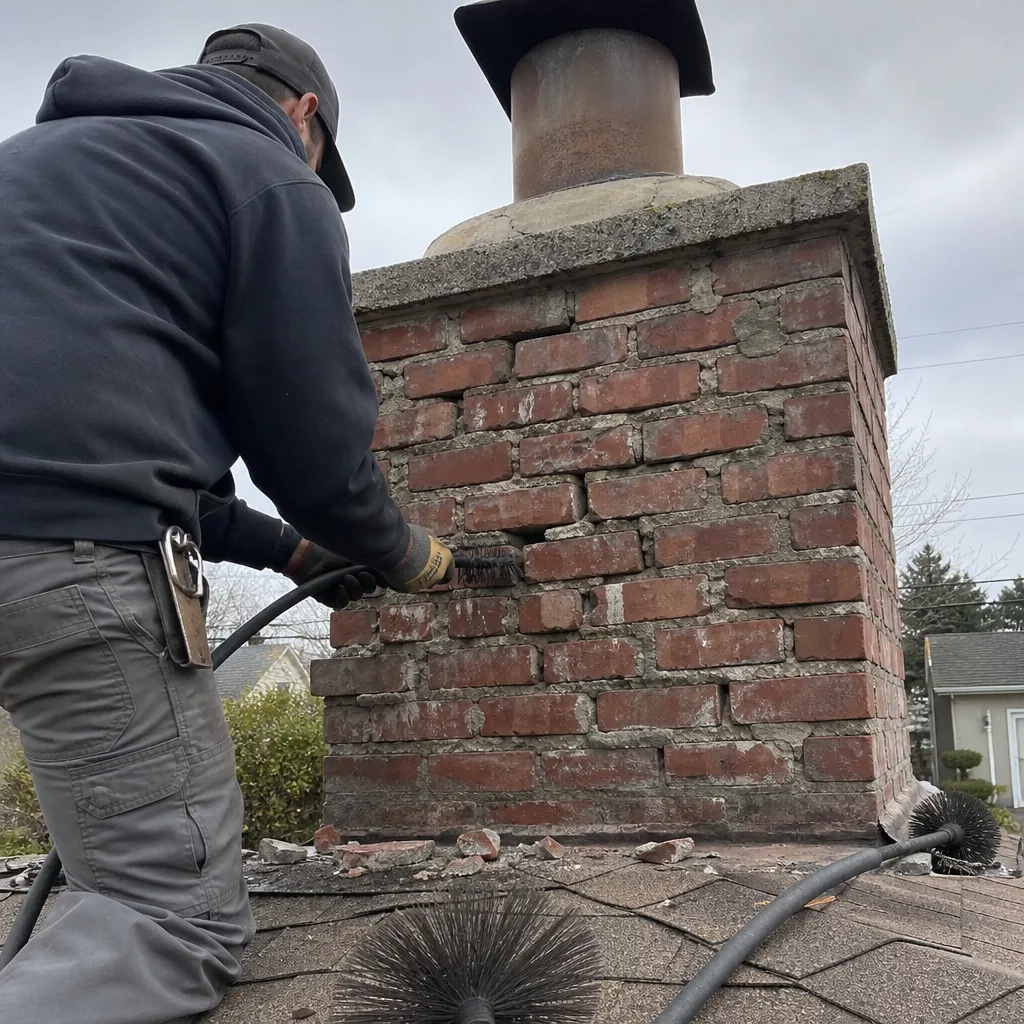 Before
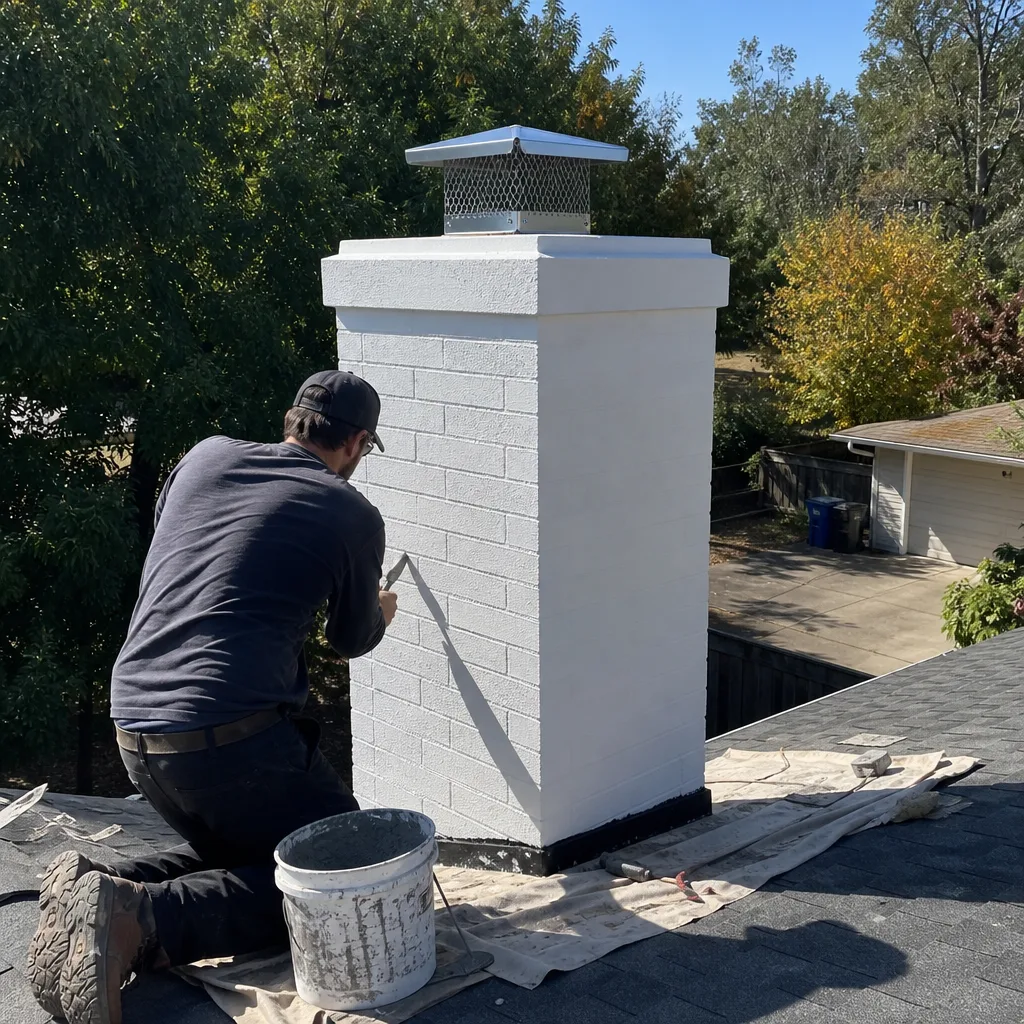 After
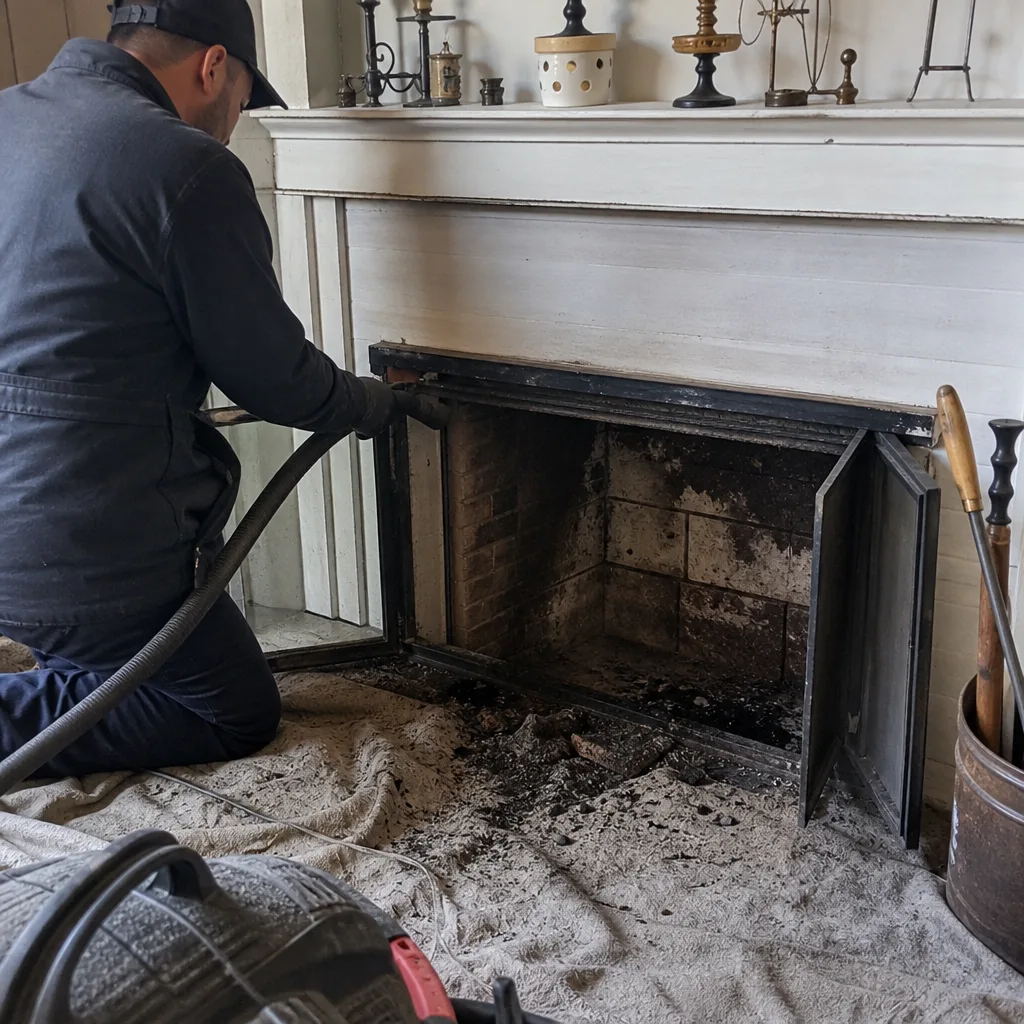 Before
 After
 Before
 After
When to Call a Professional
Some things are worth doing yourself. Your chimney is not one of them. If you smell smoke in the house after the fire is out, if you see white staining on the exterior brick, if your dryer is taking twice as long to dry a load, or if you know your chimney hasn’t been inspected in the last two years, the time to call is before burning season starts in Carmichael, not after the first cold snap when every sweep in Sacramento County is booked for a month solid. Flue deterioration, cracked tiles, and animal nesting are all conditions that get worse the longer they sit. A trained eye on a camera sees in ten minutes what you’ll never see from the roof with a flashlight. Chimney Sweep Carmichael offers free estimates in Carmichael, call (833) 593-4469.
Frequently Asked Questions
A standard chimney sweeping in Carmichael typically runs between $179 and $399 depending on the level of inspection required, the height of the chimney, and whether creosote buildup is light or heavy. A Level 2 inspection, which includes video scanning, adds cost but is required for any home that’s changed ownership, changed fuel type, or experienced a chimney fire. Call (833) 593-4469 for an exact quote based on your chimney and fuel type.
The National Fire Protection Association standard is annual inspection and sweeping as needed, which for most Carmichael wood-burning homes means a sweep every year or two depending on burn frequency and wood type. Burn seasoned hardwood and have the chimney swept after each cord burned. Gas fireplaces still need an annual check because venting issues and carbon monoxide problems don’t produce visible soot.
Creosote, a combustion byproduct, accumulates on the flue walls. Creosote is flammable, and in heavy deposits it can ignite, causing a chimney fire that reaches 2,000°F and cracks flue tiles, melts mortar, and in worst cases spreads to the house structure. At lower levels, skipped maintenance leads to draft problems, smoke backing up into the living space, and water damage from uncapped flues. It’s a slow accrual of problems that becomes expensive all at once.
You need a new liner if the existing one is cracked, offset, corroded through, or sized incorrectly for the appliance it’s serving. Those conditions are visible on camera, and a reputable sweep will show you the footage before quoting a reline. If a sweep recommends a liner replacement without camera evidence, get a second opinion. If the damage is limited to flue tile surface deterioration, HeatShield ceramic resurfacing may be a lower-cost mid-tier option. The answer is always diagnosis before recommendation, never the other way around.
A chimney sweep performs maintenance: sweeping, inspection, and basic cleaning. A chimney repair contractor performs structural work: liner installation, flue resurfacing, cap replacement, crown repair, and masonry rebuilds. Many companies do one or the other. We do both because the person who maintains your chimney every year should be the same person who diagnoses and fixes what’s wrong with it, with a camera record showing the history of the flue over time.
Yes, gas fireplaces need annual inspection even though they don’t produce creosote. Gas combustion generates acidic condensate, which corrodes flue liners, and a blocked or damaged vent can push carbon monoxide into the living space. The inspection focus for a gas appliance is vent integrity, clearances, and carbon monoxide testing rather than soot removal, but the annual check matters just as much as it does for wood. In Carmichael, where gas inserts have been installed in old masonry chimneys for 30 years, we find corrosion-related problems regularly.
The Bottom Line
The brand of chimney products your sweep specifies is the single most reliable signal of whether you’re getting trade-grade work or generic materials marked up to look professional. Ask for brand names: DuraFlex for liners, HeatShield for resurfacing, Copperfield for caps. Ask for alloy grades. Ask for camera footage. Ask for warranty documentation. A sweep who answers those questions clearly is working to professional standards, and a sweep who can’t is working to a price point. The Complete Chimney Sweep Guide for Carmichael Homeowners makes clear that Carmichael homeowners with older masonry chimneys and mixed fuel systems have more at stake than most, because the materials matter more when the chimney is doing real work. Choose the brand before you choose the bid, and call (833) 593-4469 for a free estimate if you want the inspection done right.
Written by the team at Chimney Sweep Carmichael, serving Carmichael since 2012.